You possess a Real ID, an essential document for air travel and accessing federal facilities. This identification’s expiration date looms, and you’ve decided it’s time for renewal. A critical component of this renewal process for many states is providing an original birth certificate. This document serves as irrefutable proof of your identity and citizenship, a cornerstone of the stringent verification required for a Real ID. The journey to obtaining this document might seem straightforward, but it often involves navigating bureaucratic processes and understanding specific requirements.
Your Real ID has become an indispensable part of your daily life, from hopping on a plane to entering certain government buildings. Its purpose is to enhance national security by establishing a higher standard for identification. To meet these standards, renewing your Real ID requires presenting specific documentation that verifies your identity, date of birth, and citizenship. Among the most commonly requested documents is your original birth certificate.
Why Your Birth Certificate is Crucial
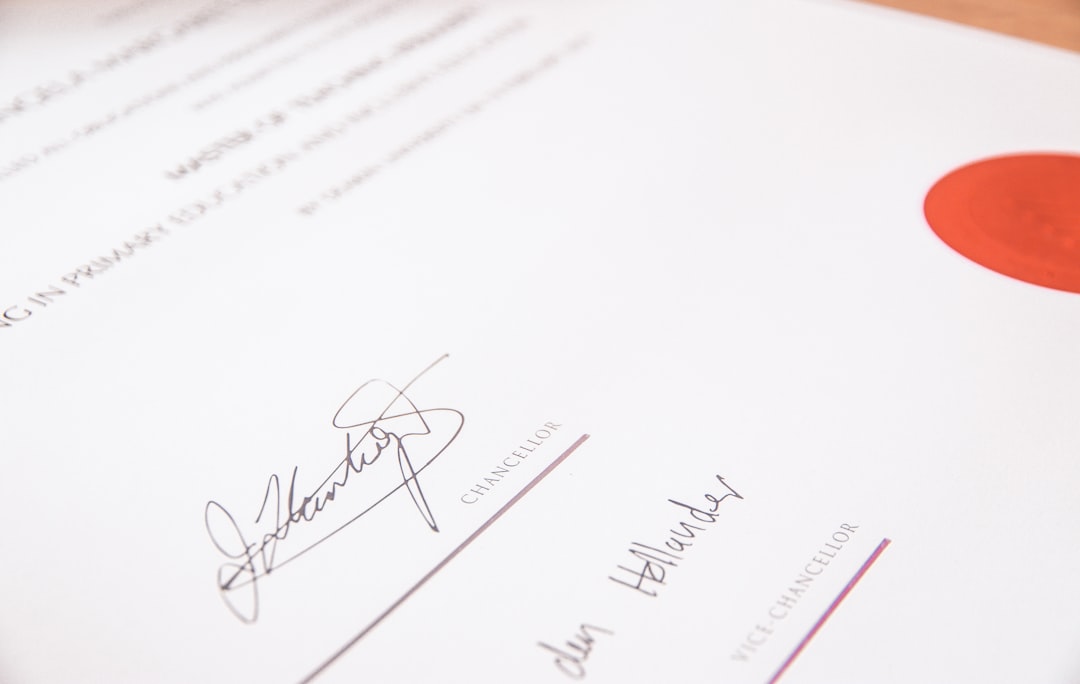
The original birth certificate is not merely a piece of paper; it’s a legal declaration of your birth, issued by the authority of the state or territory where you were born. It contains vital information such as your full name, date of birth, place of birth, parents’ names, and often the signature of the attending physician or registrar. For Real ID purposes, this document acts as the primary source of truth, confirming the foundational details of your identity. Agencies use it to cross-reference information provided on other application documents, ensuring accuracy and preventing fraudulent claims. You are essentially demonstrating that the person applying for the Real ID is the same individual whose birth was officially registered decades ago.
State-Specific Variations in Requirements
It is imperative to understand that while the need for an original birth certificate is widespread, the exact requirements and the issuing authorities can vary significantly from state to state. Some states might accept certified copies, while others strictly demand the original document. Furthermore, the acceptable format of the birth certificate – whether it needs to be filed with the vital records office within a certain timeframe after birth or if it can be amended later – can differ. You must consult the Department of Motor Vehicles (DMV) or the equivalent agency in your state to ascertain their precise stipulations. This proactive step will save you considerable time and frustration.
What Constitutes an “Original” Birth Certificate
The term “original birth certificate” can sometimes cause confusion. Generally, it refers to a certified copy issued by the official vital records office of the state or county where you were born. This is not a hospital-issued certificate or a self-printed document. A certified copy will typically bear an official seal, a raised stamp, or a watermark, along with the signature of the registrar. You might have a copy of your birth certificate from when you were a child, but it’s essential to verify if that document meets the current standards for official certification. If your existing copy lacks these official markings, you will likely need to obtain a new certified copy.
Genealogy, Personal Records, and the Official Document
You might possess various documents related to your birth from family albums or personal records. While these may hold sentimental value and contain the necessary information, they are rarely considered “original” or “certified” enough for official government purposes like a Real ID renewal. These personal documents often lack the official seal or registration number that legal authorities require for verification. Think of it this way: your old family Bible might have your birth recorded in it, but it doesn’t have the legal standing of a government-issued certificate. You need the document that the state recognizes as the official record of your birth.
When renewing your Real ID, it’s essential to have the correct documentation, including your original birth certificate. For more information on the necessary documents and the renewal process, you can refer to a related article that provides detailed guidance. To learn more, visit this helpful resource.
Navigating the State Vital Records Office
The primary entity responsible for issuing original birth certificates is the vital records office of the state or county where you were born. This is where your birth was officially registered immediately after you came into the world. Accessing these records requires understanding their specific procedures, which often involve an application process, fees, and proof of identity.
Locating the Correct Issuing Authority
The first step is to identify the correct vital records office. If you were born in California, you would likely contact the California Department of Public Health, Vital Records. If you were born in New York City, you would contact the New York City Department of Health and Mental Hygiene. For other parts of New York state, it would be the New York State Department of Health. This requires a quick online search or a phone call to your current state’s DMV for guidance if you are unsure. The information is usually readily available on government websites.
The Application Process
Once you’ve identified the correct office, you’ll need to understand their application process. Most vital records offices offer online applications, mail-in applications, and sometimes in-person services. Each method has specific requirements. Online applications often streamline the process, allowing you to fill out forms electronically and upload necessary documents. Mail-in applications require you to download a form, print it, fill it out, and mail it along with supporting documents and payment. In-person applications might be faster if available but require you to travel to the office.
Required Identification for Application
To prove you are entitled to obtain your birth certificate, vital records offices will require you to present valid identification. This is a crucial security measure to prevent unauthorized individuals from accessing sensitive personal information. Typically, you will need to provide a government-issued photo ID, such as a driver’s license, state ID card, or passport. The specific acceptable forms of ID will be listed on the vital records office’s website. Be prepared to provide a clear copy of your ID with your application.
Fees and Payment Methods
There is almost always a fee associated with obtaining a certified birth certificate. These fees cover the administrative costs of retrieving, verifying, and issuing the document. The cost can vary by state and sometimes by the type of service requested (e.g., expedited processing). Payment methods also differ. Many offices accept credit cards, checks, or money orders. Ensure you check the acceptable payment methods beforehand to avoid delays. You will need to factor this cost into your Real ID renewal budget.
Processing Times and Expedited Options
The time it takes to receive your birth certificate can range from a few days to several weeks, depending on the office’s workload and the method of application. Online and mail-in applications typically have longer processing times than in-person requests. If your Real ID renewal deadline is approaching rapidly, you might consider expedited processing options, if available. These services usually come with an additional fee but can significantly shorten the waiting period. However, even expedited services are not instantaneous.
Special Circumstances and Alternative Documentation

Sometimes, obtaining your original birth certificate through the standard channels can be complicated or impossible due to historical circumstances, lost records, or specific life events. In such situations, there might be alternative documentation pathways or specific procedures to follow.
Born Outside the United States to U.S. Citizens
If you were born abroad to U.S. citizen parents, your birth certificate might be a Consular Report of Birth Abroad (CRBA), also known as a FS-240. This document serves as proof of citizenship and is generally accepted for Real ID purposes. You would obtain this document from the U.S. Department of State. The Consular Report of Birth Abroad directly attests to your U.S. citizenship at birth, fulfilling the requirement for documentation.
Adopted Individuals
If you were adopted, your original birth certificate might be sealed and replaced with a new certificate reflecting your adoptive parents’ names. Depending on your state’s laws, you may be able to obtain a copy of your original birth certificate under certain conditions. This often involves a request to the vital records office and potentially a court order. You will need to research the specific adoption laws in the state where the adoption was finalized. Your adoptive parents or, if they are unavailable, your adoptive family members might be able to assist you in navigating this process.
Individuals Born in U.S. Territories
If you were born in a U.S. territory such as Puerto Rico, Guam, the U.S. Virgin Islands, or American Samoa, you will need to obtain your birth certificate from the vital records office of that specific territory. The process and requirements will be similar to those of a U.S. state, but you will be dealing with the vital records authority of the territory. Websites for these territories’ health departments or public records offices will detail the necessary steps.
Reconstructed Birth Certificates
In rare cases, a birth certificate may have been lost or destroyed due to a natural disaster or other unforeseen circumstances. If this happens, you might be able to apply for a “reconstructed” birth certificate. This involves presenting evidence to the vital records office that supports the original facts of your birth, such as affidavits from parents or older siblings, hospital records, or early school records. The office will review this evidence to reconstruct an official record. This is not a common scenario but is a possibility if your original documentation is irrevocably lost.
Preparing for Your Real ID Renewal Appointment

Once you have obtained your original birth certificate, it’s time to prepare for your Real ID renewal appointment. Proper preparation ensures a smooth and efficient visit to the DMV, minimizing the chances of being turned away due to incomplete documentation.
Gathering All Required Documents
Beyond your original birth certificate, you will likely need several other documents for your Real ID renewal. These typically include:
- Proof of identity: Your current driver’s license or state ID.
- Proof of Social Security number: Your Social Security card, W-2 form, or pay stub with your full name and SSN.
- Proof of residency: Two documents showing your current residential address, such as utility bills, bank statements, or lease agreements.
Review the specific list of required documents on your state’s DMV website. Missing even one item can result in a failed appointment. You are responsible for ensuring you have everything the DMV requires before you arrive.
Making an Appointment and Checking Office Hours
Most state DMVs now operate on an appointment-only basis for Real ID applications and renewals. Scheduling an appointment well in advance is crucial, as appointment slots can fill up quickly. Visit your state’s DMV website to find their appointment scheduling system. Additionally, always check the current office hours and any specific service windows for Real ID renewals. Sometimes, certain transactions are handled at specific times or locations.
Understanding the Verification Process
The DMV will meticulously verify each document you present. They will compare the information on your birth certificate, Social Security card, and residency documents to ensure consistency. They will also verify your identity through photo comparison and potentially other biometric checks. This is the core of the Real ID verification process. You are essentially presenting a chain of evidence that proves who you are, where you were born, and that you are who you claim to be.
What to Expect During Your Appointment
When you arrive for your appointment, you will likely be greeted by a DMV representative who will check you in and verify that you have all your documents. You may need to wait for your turn. Once called, you will proceed to a service window where a clerk will review your documents, process your application, take your photograph, and collect the renewal fee. You will likely be issued a temporary Real ID on the spot, with your permanent card mailed to you later.
When renewing your Real ID, it is essential to provide an original birth certificate as part of the identification process. This document serves as a vital proof of identity and citizenship. For more information on the requirements and steps involved in obtaining a Real ID, you can refer to a helpful article that outlines the necessary documentation and procedures at Explore Senior Health. Understanding these requirements can make the renewal process smoother and more efficient.
Troubleshooting and Seeking Assistance
| State | Requirement |
|---|---|
| California | Original or certified copy of birth certificate |
| Texas | Original or certified copy of birth certificate |
| New York | Original or certified copy of birth certificate |
Despite meticulous preparation, you might encounter unexpected issues during the process of obtaining your birth certificate or renewing your Real ID. Knowing where to turn for assistance can be invaluable.
Common Pitfalls and Solutions
- Incorrect birth certificate: You might have a certified copy that is not considered “original” by your state’s DMV. Contact the vital records office to obtain the correct document.
- Discrepancies in information: Names misspelled on documents or dates that don’t align can cause delays. You may need to obtain corrected documents or provide an amendment to your birth record.
- Lost or stolen documents: If your birth certificate or other required documents were lost or stolen, you will need to apply for replacements from the issuing authorities. This includes reporting stolen documents to law enforcement if necessary.
- Unfamiliarity with requirements: Each state has its unique rules. Always refer to the official DMV website for the most accurate and up-to-date information.
Contacting the Vital Records Office
If you have questions about your birth certificate application, a discrepancy, or need to make changes, contact the vital records office directly. Their contact information, including phone numbers and email addresses, is usually available on their website. Be prepared to have your personal information ready when you call, as they will need to verify your identity.
Utilizing State DMV Resources
Your state’s DMV website is your primary resource for Real ID renewal information. It typically contains FAQs, application forms, lists of required documents, appointment scheduling systems, and contact information for customer service. Do not rely on unofficial sources or outdated information. Always go to the official government website.
Seeking Legal Advice
In extremely complex situations, such as long-unresolved discrepancies or issues related to adoption records, you might consider consulting with an attorney who specializes in family law or administrative law. While this is an uncommon step for most Real ID renewals, it can be necessary if you face significant obstacles.
Obtaining your original birth certificate for your Real ID renewal is a methodical process. By understanding the requirements, navigating the appropriate channels, and preparing thoroughly, you can successfully acquire this essential document and ensure your Real ID receives its necessary update. The effort you invest now will ensure continued access to the privileges and conveniences your Real ID provides.
FAQs
What is a Real ID and why do I need my original birth certificate for renewal?
A Real ID is a form of identification that meets federal security standards for boarding domestic flights and entering federal facilities. To renew a Real ID, you may need to provide your original birth certificate as proof of identity.
Can I use a copy of my birth certificate for Real ID renewal?
In most cases, a copy of your birth certificate will not be accepted for Real ID renewal. You will likely need to provide the original document or a certified copy from the issuing authority.
What if I don’t have my original birth certificate for Real ID renewal?
If you do not have your original birth certificate, you can typically request a certified copy from the vital records office in the state where you were born. Some states also offer the option to order a copy online.
Are there any alternative documents I can use if I can’t provide my original birth certificate for Real ID renewal?
If you are unable to provide your original birth certificate, you may be able to use other forms of identification such as a valid passport, permanent resident card, or employment authorization document.
Is there a deadline for obtaining a Real ID with my original birth certificate for renewal?
The deadline for obtaining a Real ID varies by state, but it is generally recommended to apply for one as soon as possible to ensure compliance with federal regulations.