
As you age, your body undergoes various changes that can affect your digestive health. One of the most significant aspects of maintaining a healthy digestive system is ensuring an adequate intake of dietary fiber. Fiber plays a crucial role in promoting regular bowel movements, preventing constipation, and supporting overall gut health.
For elderly individuals, who may experience slower digestion and other gastrointestinal issues, fiber becomes even more essential. By understanding the importance of fiber, you can take proactive steps to enhance your digestive well-being. Incorporating fiber into your diet can lead to numerous benefits beyond just improved digestion.
It can help regulate blood sugar levels, lower cholesterol, and even aid in weight management. As you age, your metabolism may slow down, making it vital to choose foods that not only provide essential nutrients but also support digestive health. By prioritizing fiber in your meals, you can foster a healthier gut environment and reduce the risk of developing chronic conditions associated with poor digestion.
Key Takeaways
- Fiber is crucial for elderly digestion as it helps maintain regular bowel movements and prevents constipation.
- Different types of fiber, such as soluble and insoluble fiber, have varying impacts on digestion and gut health in the elderly.
- Elderly individuals should aim for a daily fiber intake of 25-30 grams to support healthy digestion and overall well-being.
- High-fiber foods like fruits, vegetables, whole grains, and legumes are suitable for elderly digestion and can help prevent constipation and diarrhea.
- Increasing fiber intake can improve gut health and nutrient absorption in the elderly, but high-fiber diets may also pose risks and side effects.
Types of Fiber and Their Impact on Digestion
Fiber is generally categorized into two types: soluble and insoluble. Soluble fiber dissolves in water and forms a gel-like substance in the digestive tract. This type of fiber can help slow down digestion, which is beneficial for regulating blood sugar levels and providing a feeling of fullness.
Foods rich in soluble fiber include oats, beans, lentils, and certain fruits like apples and citrus. As you incorporate these foods into your diet, you may notice improved satiety and better control over your appetite. In contrast, insoluble fiber does not dissolve in water and adds bulk to your stool, promoting regular bowel movements.
This type of fiber is found in whole grains, nuts, seeds, and the skins of many fruits and vegetables. For elderly individuals who may struggle with constipation, increasing insoluble fiber intake can be particularly helpful. By understanding the different types of fiber and their unique benefits, you can make informed choices about the foods you consume to support your digestive health.
Recommended Daily Fiber Intake for Elderly Individuals
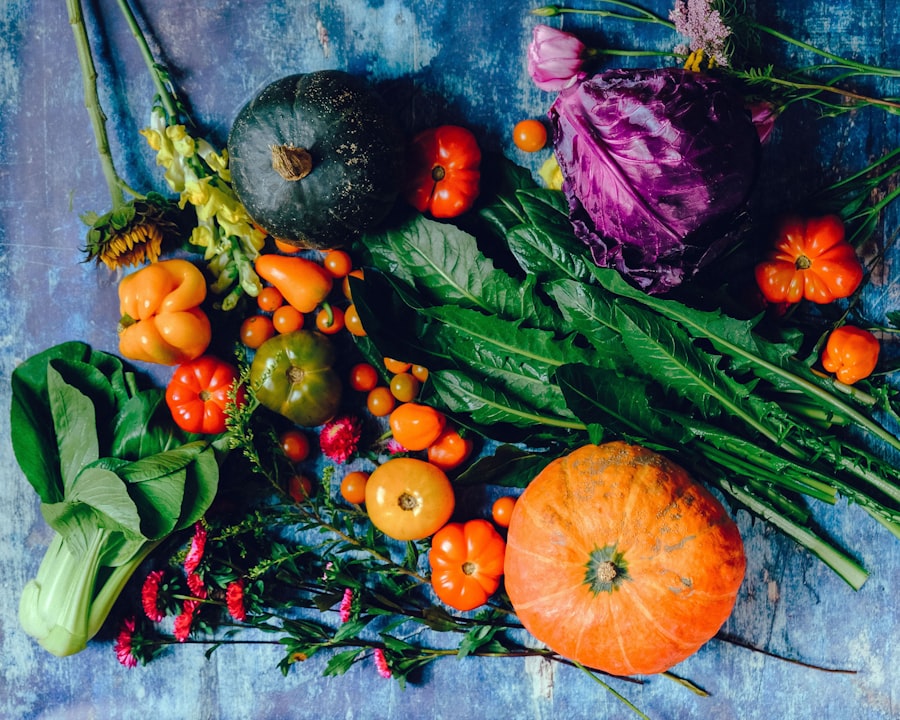
The recommended daily fiber intake varies based on age and gender. For elderly men aged 51 and older, the suggested intake is about 30 grams per day, while women in the same age group should aim for around 21 grams. However, these numbers can serve as general guidelines rather than strict rules.
Individual needs may vary based on factors such as activity level, overall health, and specific digestive concerns. As you consider your fiber intake, it’s essential to listen to your body and adjust accordingly. Meeting your daily fiber goals can be achieved through a combination of dietary sources.
It’s important to gradually increase your fiber intake to avoid gastrointestinal discomfort. If you’re currently consuming a low-fiber diet, consider adding small amounts of high-fiber foods to your meals each day. This gradual approach will allow your digestive system to adapt while still reaping the benefits of increased fiber consumption.
High-Fiber Foods Suitable for Elderly Digestion
| Food | Fiber Content (per 100g) | Benefits |
|---|---|---|
| Broccoli | 2.6g | Rich in vitamins and minerals, aids digestion |
| Oatmeal | 10.6g | Helps lower cholesterol, easy to digest |
| Prunes | 7.1g | Relieves constipation, high in antioxidants |
| Quinoa | 2.8g | Complete protein, easy to digest |
| Apples | 2.4g | Rich in antioxidants, aids in digestion |
When it comes to selecting high-fiber foods that are suitable for elderly digestion, variety is key. Whole grains such as brown rice, quinoa, and whole wheat bread are excellent sources of both soluble and insoluble fiber. Incorporating these grains into your meals can provide essential nutrients while also promoting digestive health.
Additionally, legumes like beans and lentils are not only high in fiber but also packed with protein, making them a nutritious choice for maintaining muscle mass as you age. Fruits and vegetables are also vital components of a high-fiber diet. Berries, pears, and apples are particularly rich in soluble fiber, while leafy greens, carrots, and broccoli offer a good amount of insoluble fiber.
By filling your plate with a colorful array of fruits and vegetables, you can ensure that you’re getting a diverse range of nutrients along with the fiber needed for optimal digestion. Experimenting with different recipes and cooking methods can make it easier to incorporate these foods into your daily routine.
The Role of Fiber in Preventing Constipation and Diarrhea in the Elderly
Constipation is a common issue among elderly individuals due to factors such as decreased physical activity, medication side effects, and changes in diet. Fiber plays a pivotal role in preventing constipation by adding bulk to the stool and promoting regular bowel movements. When you consume adequate amounts of both soluble and insoluble fiber, you create a more favorable environment for digestion.
This can lead to fewer instances of discomfort and irregularity. On the other hand, some elderly individuals may experience diarrhea due to various reasons, including dietary choices or underlying health conditions. In such cases, soluble fiber can be particularly beneficial as it helps absorb excess water in the intestines, leading to firmer stools.
By understanding how fiber functions in relation to both constipation and diarrhea, you can make informed dietary choices that support your digestive health.
Fiber and its Impact on Gut Health in the Elderly

The health of your gut is intricately linked to your overall well-being, especially as you age. A diet rich in fiber supports the growth of beneficial gut bacteria, which play a crucial role in digestion and immune function. These bacteria thrive on dietary fiber, fermenting it to produce short-chain fatty acids that nourish the cells lining your intestines.
By prioritizing fiber-rich foods in your diet, you can foster a healthy gut microbiome that contributes to improved digestion and overall health. Moreover, a healthy gut microbiome has been associated with reduced inflammation and a lower risk of chronic diseases such as heart disease and diabetes. As you age, maintaining a balanced gut environment becomes increasingly important for preventing various health issues.
By focusing on fiber intake and its impact on gut health, you can take proactive steps toward enhancing your overall quality of life.
Potential Risks and Side Effects of High-Fiber Diets for the Elderly
While increasing fiber intake has numerous benefits, it’s essential to approach dietary changes with caution. Rapidly increasing fiber consumption can lead to gastrointestinal discomfort such as bloating, gas, or cramping. For elderly individuals who may already have sensitive digestive systems or underlying health conditions, these side effects can be particularly concerning.
It’s advisable to gradually introduce high-fiber foods into your diet while ensuring adequate hydration to help ease the transition. Additionally, some elderly individuals may have difficulty chewing or swallowing certain high-fiber foods like raw vegetables or whole grains. In such cases, opting for softer options or cooking vegetables until tender can make them easier to digest while still providing essential nutrients.
Being mindful of how your body responds to dietary changes will help you find the right balance between increasing fiber intake and maintaining comfort.
Tips for Increasing Fiber Intake in Elderly Individuals
If you’re looking to boost your fiber intake effectively, there are several practical strategies you can implement in your daily routine. Start by incorporating high-fiber foods into each meal rather than trying to overhaul your entire diet at once. For breakfast, consider adding fruits like berries or bananas to your oatmeal or yogurt.
At lunch or dinner, aim to fill half your plate with vegetables or opt for whole grain options instead of refined grains. Snacking is another excellent opportunity to increase your fiber intake throughout the day. Choose snacks like raw vegetables with hummus or whole grain crackers with nut butter instead of processed options that are low in fiber.
Additionally, keeping a food diary can help you track your fiber consumption and identify areas where you can make improvements. By taking small steps toward increasing your fiber intake, you’ll be more likely to sustain these changes over time.
The Connection Between Fiber and Nutrient Absorption in the Elderly
Fiber not only aids digestion but also plays a role in nutrient absorption within the body. A well-balanced diet that includes adequate fiber can enhance the absorption of essential vitamins and minerals from the foods you consume. For elderly individuals who may be at risk for nutrient deficiencies due to changes in appetite or dietary restrictions, ensuring proper nutrient absorption becomes even more critical.
This is particularly beneficial for individuals managing blood sugar levels or those who need to maintain stable energy throughout the day. By understanding the connection between fiber and nutrient absorption, you can make informed choices that support both digestive health and overall nutritional status.
Fiber Supplements for Elderly Digestive Health
For some elderly individuals, meeting daily fiber requirements through food alone may be challenging due to dietary restrictions or preferences. In such cases, fiber supplements can serve as an effective alternative to help bridge the gap. These supplements come in various forms—powders, capsules, or chewable tablets—and can provide a convenient way to increase fiber intake without significantly altering your diet.
However, it’s essential to approach fiber supplements with caution. Not all supplements are created equal; some may contain added sugars or artificial ingredients that could detract from their health benefits. Before incorporating any supplement into your routine, consult with a healthcare professional who can guide you toward safe options tailored to your specific needs.
Consulting a Healthcare Professional for Personalized Fiber Recommendations
As you consider making changes to your diet or increasing your fiber intake, consulting a healthcare professional is always a wise decision. A registered dietitian or nutritionist can provide personalized recommendations based on your individual health status, dietary preferences, and any underlying medical conditions you may have. They can help you create a balanced meal plan that incorporates adequate fiber while ensuring that all nutritional needs are met.
Additionally, if you’re experiencing digestive issues or have concerns about how much fiber is appropriate for you, seeking professional guidance is crucial. They can help monitor your progress and make adjustments as needed to ensure that you’re achieving optimal digestive health without discomfort or adverse effects. By working with a healthcare professional, you empower yourself with knowledge and support on your journey toward better digestive well-being through increased fiber intake.
As we age, maintaining a healthy digestive system becomes increasingly important, and incorporating the right type of fiber into our diet can play a crucial role in this process. For the elderly, soluble fiber is often recommended as it helps to regulate blood sugar levels and lower cholesterol, while also being gentle on the digestive system. An insightful article on this topic can be found on Explore Senior Health, which delves into the best fiber options for elderly digestion and offers practical dietary tips. For more detailed information, you can read the full article by visiting Explore Senior Health.
Over 60? Ditch THIS Sneaky Veggie Wrecking Digestion, Bloating, and Microbiome Balance.
FAQs
What is the best fiber for elderly digestion?
The best fiber for elderly digestion is soluble fiber, which can help regulate bowel movements and prevent constipation. Examples of soluble fiber include oats, barley, fruits, and vegetables.
How does fiber benefit elderly digestion?
Fiber helps elderly digestion by promoting regular bowel movements, preventing constipation, and supporting overall gut health. It can also help lower cholesterol levels and regulate blood sugar levels.
What are some sources of fiber for elderly individuals?
Some sources of fiber for elderly individuals include fruits (such as apples, berries, and pears), vegetables (such as broccoli, carrots, and sweet potatoes), whole grains (such as oats, barley, and quinoa), and legumes (such as beans and lentils).
How much fiber should elderly individuals consume for optimal digestion?
Elderly individuals should aim to consume around 25-30 grams of fiber per day for optimal digestion. It’s important to gradually increase fiber intake and drink plenty of water to prevent digestive discomfort.
Are there any potential risks of consuming too much fiber for elderly individuals?
Consuming too much fiber can lead to digestive issues such as bloating, gas, and diarrhea for elderly individuals. It’s important to gradually increase fiber intake and monitor how the body responds to the increased fiber consumption.