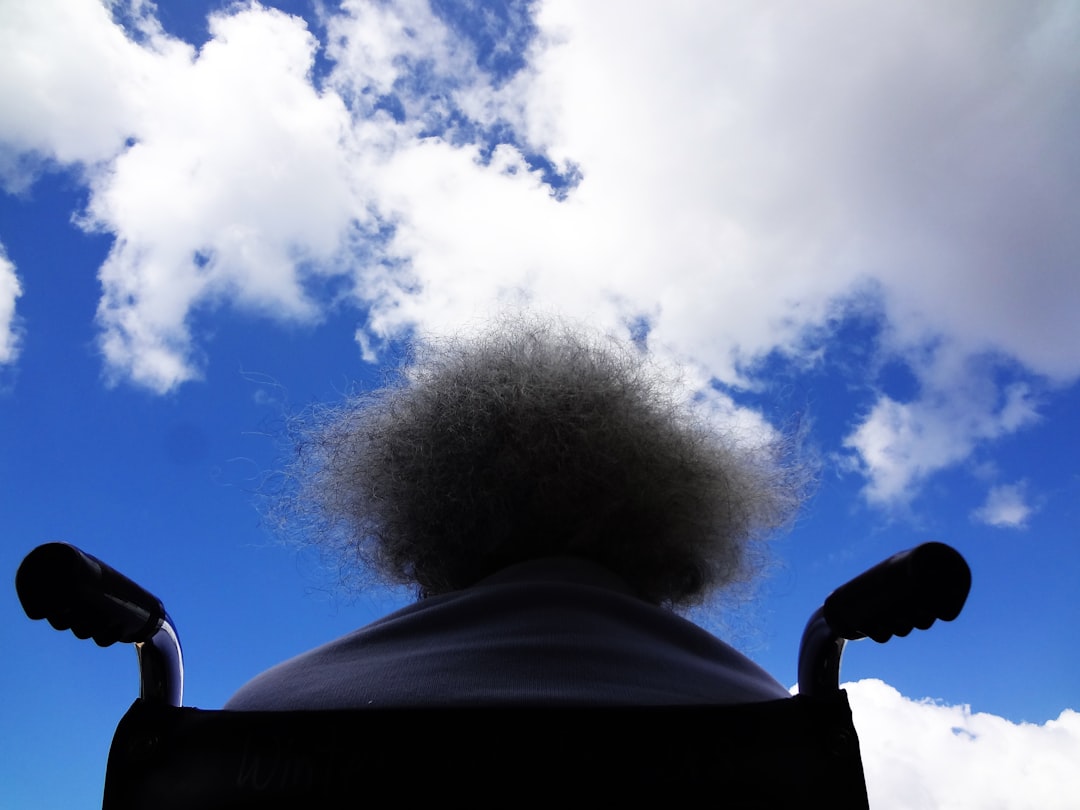
You’ve reached your sixties. For some, this decade signifies the beginning of a well-earned rest, a time for leisurely pursuits and tranquil reflection. For you, however, it might feel more like a precipice, an expanse of uncharted territory that leaves you feeling…stuck. This feeling, often referred to as retirement paralysis, is a common, yet often unspoken, challenge that can grip individuals as they approach or enter retirement. It’s not about laziness or a lack of desire; it’s a complex interplay of emotions, expectations, and the sheer magnitude of a life transition. You might find yourself standing at the threshold of what should be an exciting new chapter, yet instead, you’re immobilized, unsure of where to begin or what to do next. The abundance of free time, once a distant dream, now feels overwhelming. The familiar structure of your working life, however demanding it might have been, provided a predictable rhythm. Without it, you might feel adrift. This article aims to help you navigate that paralysis, to understand its roots, and to equip you with practical strategies to regain your momentum and build a fulfilling retirement.
The first step to overcoming any obstacle is to understand its origins. Retirement paralysis isn’t a sudden affliction; it’s often a slow creep, a gradual accumulation of unaddressed anxieties and expectations. You might be experiencing a form of anticipatory grief, mourning the loss of your professional identity and the social connections that came with it. The idea of “what am I now if I’m not my job?” can be a powerful anchor holding you back.
The Erosion of Your Professional Identity
For decades, your career has likely been a significant part of your identity. You’ve defined yourself by your role, your skills, and your contributions. When that disappears, it can feel like a fundamental part of you has been removed. You might struggle to see yourself outside the context of your workplace.
The “Who Am I Without My Job?” Crisis
This question can echo in your mind, especially during quiet moments. It’s a valid concern. If your social life predominantly revolved around colleagues, and your daily conversations were filled with work-related topics, the absence of these elements can leave a void. You might feel like you lack a purpose outside of your professional sphere.
The Loss of External Validation
Your job likely provided a consistent stream of external validation. You received feedback, recognition, and a sense of accomplishment through your work. Retirement often removes this immediate and quantifiable form of validation, which can contribute to feelings of inadequacy or a lack of motivation.
The Overwhelm of Unfettered Freedom
The prospect of unlimited free time can be daunting. If your life has been rigidly scheduled for years, the idea of having every day open can be paralyzing. You might feel an immense pressure to “make the most of it,” which can ironically lead to making no decisions at all.
The Paradox of Choice
You have an abundance of options, and that can be overwhelming. You can travel, learn new skills, volunteer, pursue hobbies, or simply relax. The sheer volume of possibilities can lead to analysis paralysis, where you get so caught up in evaluating each option that you end up choosing none.
The Fear of Making the “Wrong” Choice
With so much free time and so many potential paths, the fear of choosing the “wrong” activity or pursuing a “pointless” hobby can be a significant deterrent. You might worry about wasting this precious time or investing in something that doesn’t bring you lasting joy.
Unrealistic Expectations About Retirement
Popular culture often portrays retirement as a perpetual vacation filled with endless sunshine and relaxation. If your expectations are skewed towards this idealized vision, the reality of retirement, which often involves navigating practicalities and finding a new rhythm, can be a disappointment, further contributing to inertia.
The “Permanent Vacation” Myth
The idea of retirement as a non-stop holiday can set you up for disappointment. While relaxation is a part of it, a fulfilling retirement requires engagement, purpose, and activity, not just passive leisure.
The Pressure to Be Constantly “Doing”
Conversely, some individuals feel immense pressure to be constantly active and productive in retirement, to prove they are still valuable. This can lead to a feeling of being perpetually busy without a true sense of fulfillment, paradoxically contributing to burnout rather than engagement.
As individuals approach their sixties, the prospect of retirement can often lead to what is known as retirement paralysis, where the fear of making the wrong decision can hinder progress. To navigate this transitional phase effectively, it’s essential to gather insights and strategies that can empower decision-making. A valuable resource on this topic is an article available at Explore Senior Health, which offers practical tips and advice for avoiding retirement paralysis. You can read more about it by visiting this link.
Rebuilding Your Framework: Structure and Purpose
Overcoming retirement paralysis requires you to actively rebuild the structure and sense of purpose that your working life provided. This doesn’t mean replicating your old routine, but rather creating a new framework that supports your well-being and provides direction.
Creating a Daily or Weekly Rhythm
Even without a job, a sense of rhythm can provide comfort and prevent the days from blurring into one another. This doesn’t have to be rigid, but having a general plan for your days can be incredibly beneficial.
The “Anchor” Activities
Identify a few activities that you can anchor your days around. These could be simple things like a morning walk, reading the newspaper, preparing a healthy breakfast, or attending a regular social group. These provide a predictable starting point and a sense of normalcy.
Flexible Scheduling
Embrace flexibility. Your rhythm should not feel like a straitjacket. Allow for spontaneity and adjust your schedule as needed. The goal is to create a sense of order, not to replicate the demanding predictability of work.
Rediscovering and Cultivating Purpose
Purpose is a fundamental human need. In retirement, this might shift from professional achievements to personal fulfillment, community involvement, or creative expression.
Identifying Your Passions and Interests
Take time for introspection. What did you always want to do but never had the time for? What activities brought you joy in the past? Revisit old hobbies, explore new interests, and allow yourself to be curious.
Setting Small, Achievable Goals
Instead of aiming for monumental achievements, start with smaller, manageable goals. Want to learn a new language? Start with five minutes of practice each day. Interested in gardening? Begin with a small herb garden. The satisfaction of accomplishing these goals will build momentum.
Connecting with Something Larger Than Yourself
Consider ways to contribute to your community or to causes you believe in. Volunteering your time and skills can provide a profound sense of purpose and connection.
Reconnecting with Your Social Circle and Building New Ones
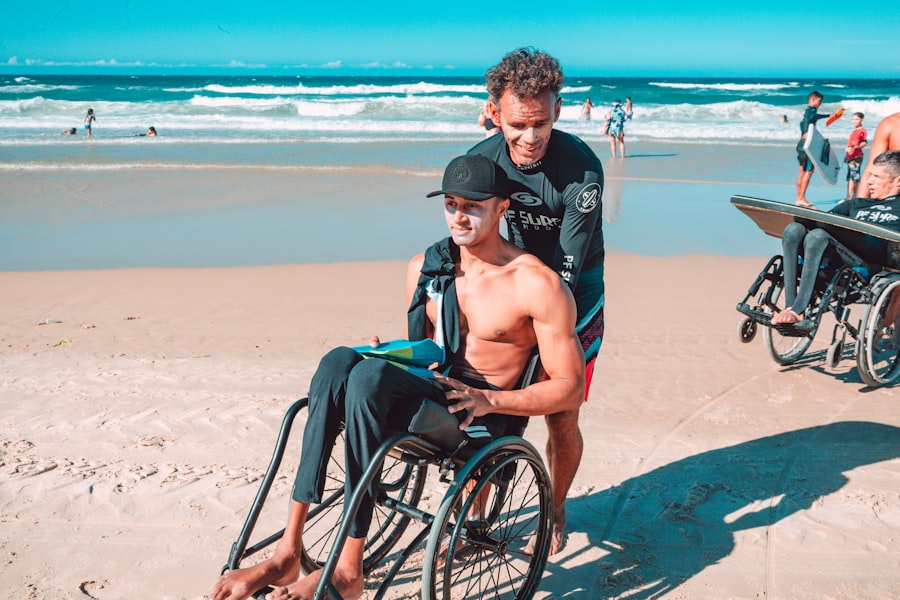
Your social connections are vital for your mental and emotional well-being. Retirement can disrupt existing social networks, but it also presents an opportunity to cultivate new and meaningful relationships.
Nurturing Existing Relationships
Don’t let your current friendships fade with the end of your working life. Make a conscious effort to stay connected with friends and family.
Proactive Outreach
Don’t wait for others to reach out. Initiate contact. Suggest coffee dates, phone calls, or shared activities. Your active participation is key to maintaining these bonds.
Shared Experiences
Plan activities that you can do together. This could be attending a concert, exploring a local museum, or even just sharing a meal. Shared experiences strengthen bonds and create new memories.
Building New Connections
Retirement offers a blank canvas for building new friendships. Be open to meeting new people and engaging in activities that facilitate social interaction.
Joining Clubs and Groups
Explore local clubs, community centers, or online groups that align with your interests. Whether it’s a book club, a walking group, or a gardening society, these provide natural opportunities to connect with like-minded individuals.
Volunteering and Community Involvement
As mentioned earlier, volunteering is a fantastic way to meet new people who share your values and a desire to contribute.
Embracing New Environments
Venture out of your comfort zone. Attend local events, explore new neighborhoods, or take a class. You never know where you might meet your next friend.
Re-engaging Your Mind and Body: Activity and Learning

A sedentary lifestyle can exacerbate feelings of paralysis. Actively engaging your mind and body is crucial for both physical and mental vitality.
Prioritizing Physical Activity
Regular physical activity is paramount for maintaining your health, energy levels, and overall mood.
Finding Activities You Enjoy
Exercise shouldn’t feel like a chore. Experiment with different forms of physical activity until you find something you genuinely enjoy. This could be walking, swimming, dancing, yoga, or even gentle strength training.
The Gradual Approach
If you’re not accustomed to regular exercise, start small and gradually increase the intensity and duration. Consistency is more important than perfection.
Incorporating Movement into Your Day
Look for opportunities to move throughout your day, not just during dedicated exercise sessions. Take the stairs, go for short walks, or do some simple stretches while watching television.
Embracing Lifelong Learning
The opportunity to learn without the pressure of grades or career advancement is one of the great joys of retirement.
Rekindling Old Curiosities
Are there subjects you always wanted to study? Now is your chance. Explore history, learn a new language, delve into art appreciation, or pick up a musical instrument.
Formal and Informal Learning Opportunities
Community colleges often offer affordable courses for seniors. Online learning platforms provide a vast array of subjects. Even reading books and watching documentaries can be forms of engaging learning.
Sharing Your Knowledge
Consider mentoring younger individuals or sharing your expertise through workshops or talks. This can be a rewarding way to contribute and stay intellectually stimulated.
As you approach your sixties, it’s common to feel overwhelmed by the prospect of retirement, leading to what many refer to as retirement paralysis. To navigate this transitional phase more smoothly, you might find it helpful to explore strategies that can empower you to make confident decisions about your future. A related article on this topic can provide valuable insights into overcoming these feelings and taking proactive steps toward a fulfilling retirement. You can read more about this in the article found here.
Taking the First Steps: Actionable Strategies to Break Free
| Metrics | Data |
|---|---|
| Financial Planning | Ensure you have a solid financial plan in place for retirement |
| Healthcare Coverage | Understand your healthcare options and coverage for retirement |
| Social Engagement | Stay socially engaged to avoid isolation and loneliness |
| Mental Stimulation | Engage in activities that keep your mind active and stimulated |
| Physical Activity | Maintain a regular exercise routine for physical well-being |
The most significant barrier to overcoming retirement paralysis is often the inability to take the first step. Here are some actionable strategies to help you move forward.
Start Small and Celebrate Small Wins
The key is to avoid overwhelming yourself. Focus on taking one small step at a time.
The “Five-Minute Rule”
If you’re struggling to start a task, commit to doing it for just five minutes. Often, once you begin, you’ll find it easier to continue.
Acknowledge and Appreciate Progress
As you achieve small goals or engage in new activities, take a moment to acknowledge your effort and celebrate your progress. This positive reinforcement is crucial for building momentum.
Seek Support and Accountability
You don’t have to go through this alone. Reach out for support and consider implementing accountability measures.
Talking to Trusted Friends or Family
Share your feelings of paralysis with people you trust. They might offer insights, encouragement, or even willing companionship for new activities.
Consider a Retirement Coach or Therapist
If your paralysis feels deeply ingrained or is accompanied by significant anxiety, a retirement coach or therapist can provide professional guidance and support.
Finding an Accountability Partner
Pair up with a friend or acquaintance who is also navigating retirement or seeking to become more active. You can check in with each other regularly and encourage one another.
Embrace Imperfection and Be Kind to Yourself
Retirement is a significant life transition. It’s okay to feel uncertain, to make mistakes, and to not have everything figured out immediately.
Reframe “Failure” as “Learning”
Not every new endeavor will be a resounding success. Instead of viewing setbacks as failures, see them as opportunities to learn and adjust your approach for next time.
Practice Self-Compassion
Be patient with yourself. You’ve spent decades in a structured environment. Adjusting to a new reality takes time and effort. Treat yourself with the same kindness and understanding you would offer a friend.
Overcoming retirement paralysis is an ongoing process, not a destination. By understanding its roots, actively rebuilding your framework, nurturing your connections, engaging your mind and body, and taking consistent, small steps, you can move beyond inertia and create a fulfilling and vibrant retirement. Your sixties are not an ending; they are a transition into a new phase of life, full of potential. You have the capacity to shape this chapter with intention and purpose.
FAQs
What is retirement paralysis?
Retirement paralysis refers to the feeling of being overwhelmed or stuck when it comes to making decisions about retirement, such as when to retire, how to manage finances, and what to do with one’s time.
Why do people experience retirement paralysis in their sixties?
People in their sixties may experience retirement paralysis due to a combination of factors, including fear of making the wrong decisions, uncertainty about financial stability, and concerns about finding purpose and fulfillment in retirement.
What are some strategies for avoiding retirement paralysis?
Some strategies for avoiding retirement paralysis include seeking professional financial advice, creating a retirement plan with specific goals and timelines, exploring different retirement lifestyle options, and staying mentally and physically active.
How can individuals manage their finances to alleviate retirement paralysis?
Managing finances to alleviate retirement paralysis involves creating a budget, paying off debts, maximizing retirement savings, and considering part-time work or other sources of income during retirement.
What are some resources for individuals experiencing retirement paralysis?
Resources for individuals experiencing retirement paralysis include financial planners, retirement coaches, support groups, online forums, and books or articles on retirement planning and lifestyle.