Navigating Pacemaker Airport Security: A Senior’s Guide
As a senior traveler, you may have questions about navigating airport security, especially if you have a pacemaker. This guide aims to clarify the process, address common concerns, and offer practical advice to ensure a smooth and stress-free experience. Understanding the procedures and knowing what to expect can significantly reduce anxiety and help you prepare effectively.
Your pacemaker is a vital medical device, and airport security protocols are designed with your safety and the integrity of your device in mind. It’s essential to familiarize yourself with how security measures might interact with your pacemaker and what steps you can take.
How Airport Scanners Work
Airport security utilizes various screening technologies, each with a different mechanism. Metal detectors, walk-through scanners, and body scanners are the most common.
Metal Detectors
Walk-through metal detectors operate by creating an electromagnetic field. When you pass through this field, any metallic objects on your person will disrupt it, triggering an alarm. Your pacemaker contains small amounts of metal, which can potentially activate these detectors. It is not typically a cause for permanent damage, but it can lead to questions and further screening.
Full-Body Scanners
Advanced imaging technology, often referred to as full-body scanners or millimeter-wave scanners, is also employed. These scanners create a 3D image of your body, detecting concealed items. They are generally considered safe for individuals with pacemakers, as the radio frequencies used are low-power and non-ionizing. However, it is always best practice to inform the security officer about your pacemaker.
Potential Interactions and Concerns
The primary concern for any pacemaker recipient is the potential for interference with the device’s function. While modern pacemakers are remarkably resilient, understanding the nature of the potential interactions is key to managing them.
Electromagnetic Interference (EMI)
Certain types of electromagnetic fields can, in theory, interfere with pacemaker function. This interference could potentially cause the pacemaker to temporarily alter its pacing mode or, in rare instances, stop pacing altogether. The intensity and proximity of the electromagnetic source are crucial factors. Airport screening equipment is designed to operate well within safe limits for implanted medical devices.
Radiation Exposure
The scanners used in airport security, including the millimeter-wave scanners, do not use ionizing radiation. This means they do not pose a risk of increased cancer risk or cell damage, which is a significant consideration for any traveler, regardless of age or medical devices.
For seniors traveling with a pacemaker, understanding airport security protocols is crucial to ensure a smooth journey. A helpful resource on this topic can be found in the article “Travel Tips for Seniors with Pacemakers,” which provides insights into navigating airport security while keeping health considerations in mind. You can read more about it by visiting Explore Senior Health. This article offers practical advice on how to communicate with security personnel and what steps to take to minimize any potential complications during the screening process.
Preparing for Security: Pre-Travel Steps
Proactive preparation is the cornerstone of a relaxed airport security experience. Taking a few simple steps before you arrive at the airport can make a considerable difference.
Informing Your Cardiologist
Before your travels, especially if it’s a significant trip or you have a new pacemaker, it’s wise to consult with your cardiologist or electrophysiologist. They can provide personalized advice based on your specific pacemaker model and your health condition.
Discussing Your Pacemaker Model
Your doctor can inform you about any specific precautions related to your particular pacemaker. They may also provide documentation or a letter that you can carry with you.
Obtaining a Medical Device Card
Many pacemaker manufacturers offer medical device identification cards. These cards often contain crucial information about your device, including its model and serial number, and are a valuable tool for communicating your condition to security personnel.
Gathering Necessary Documentation
Having the right documents readily accessible will streamline the process and address potential questions proactively.
Pacemaker Identification Card
As mentioned, carrying your official pacemaker identification card is highly recommended. This serves as clear proof of your implanted medical device.
Doctor’s Letter (Optional but Recommended)
While not always mandatory, a brief letter from your doctor explaining your need for a pacemaker and any specific instructions can be helpful, particularly if you anticipate a more thorough screening process. This letter should be dated and on official letterhead.
Packing Smartly
Consider how your belongings are packed, with a focus on efficient and organized presentation.
Medical Equipment in Carry-On Luggage
Always keep your pacemaker identification card, any doctor’s notes, and essential pacemaker-related supplies in your carry-on bag. This ensures they are with you at all times.
Avoiding Loose Metal Items
While not directly related to your pacemaker, removing loose metal items like keys, coins, and jewelry before you approach the screening point can prevent unnecessary alarms and delays.
The Security Screening Process: What to Expect
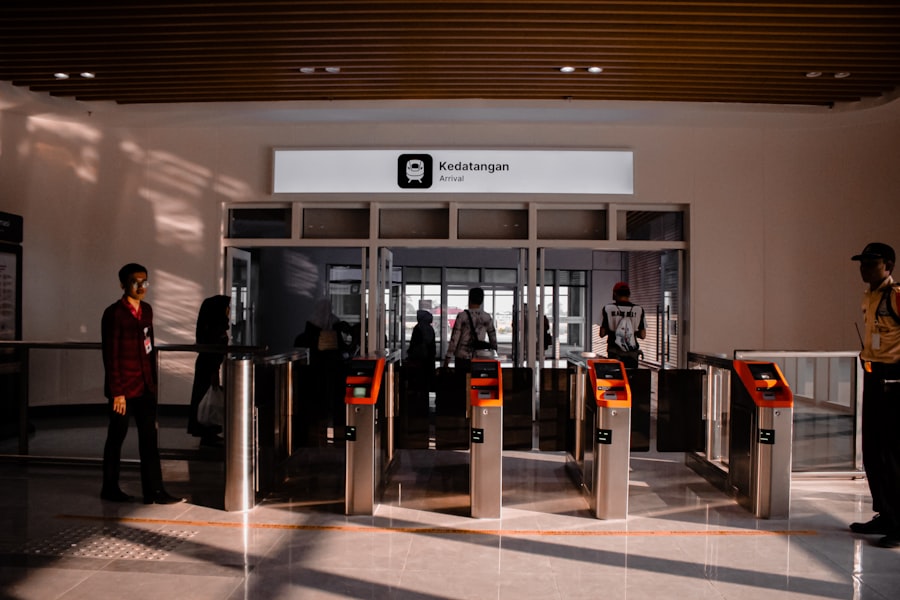
Once you arrive at the airport, the security screening process will unfold predictably. Understanding each step will help you feel more in control.
Informing Security Personnel
Communication is key at the security checkpoint. Be proactive in letting the officers know about your pacemaker.
Approaching the Checkpoint
As you approach the security screening area, look for a uniformed officer or a discreet sign indicating where to declare a medical device. Do not hesitate to approach an officer and quietly inform them.
Verbal Declaration
A simple verbal declaration to the security officer is usually sufficient. For example, you can say, “Excuse me, officer, I have a pacemaker.” This alerts them to your situation and allows them to adjust the screening procedure accordingly.
Standard Screening Procedures
The standard procedures are in place for all passengers, but your declaration may lead to minor variations.
Initial Screening
You will typically be asked to place your carry-on luggage and personal belongings on the conveyor belt for X-ray screening.
Walking Through the Metal Detector
You will then be directed to walk through the walk-through metal detector. As mentioned, it might beep due to the metal in your pacemaker. This is a normal occurrence and not necessarily an indication of a problem with your device.
Alternative Screening Options
If you declare your pacemaker, security personnel are trained to offer alternative screening methods to avoid direct interaction with the walk-through metal detector, if it’s deemed appropriate.
Pat-Down and Advanced Screening
In some cases, and despite your declaration, additional screening may be necessary.
Manual Pat-Down
If the metal detector alarms or if officers deem it necessary, you may be asked to undergo a pat-down examination. This is a standard procedure to ensure no prohibited items are concealed. Security officers are trained to conduct pat-downs with professionalism and respect.
Advanced Imaging Technology (AIT) Scanners
You may also be offered or directed to use an advanced imaging technology scanner. These are generally considered safe for individuals with pacemakers. If you have concerns about any scanner, you always have the right to request a pat-down instead.
Discreet Screening Areas
For passengers who prefer extra privacy, there are often designated screening areas where pat-downs or discussions about medical conditions can take place away from the main queue.
Managing Your Pacemaker During Travel
Beyond the security checkpoint, consider how to manage your pacemaker throughout your journey.
During the Flight
Air travel is generally safe for pacemaker recipients. The cabin environment and onboard equipment are designed with passenger safety in mind.
Cabin Pressurization and Altitude
Changes in cabin pressure during flight do not typically affect pacemaker function. Modern pacemakers are designed to operate reliably at typical cruising altitudes.
In-Flight Entertainment and Wi-Fi
While generally safe, it’s always advisable to maintain a reasonable distance from personal electronic devices, such as laptops or mobile phones, if you are concerned about potential interference, though significant issues are rare.
Navigating Other Airport Equipment
You will encounter various pieces of equipment throughout the airport. Understanding their general safety for pacemakers is reassuring.
Automated Teller Machines (ATMs)
Using an ATM involves a magnetic stripe reader, which is not known to interfere with pacemakers.
Baggage Screening Systems
The large X-ray scanners used for checked baggage operate at higher power levels. However, you will not be in close proximity to these machines during their operation. It’s advisable to keep a reasonable distance when passing by them.
Car Rental and Check-in Kiosks
These devices typically use standard electronic interfaces and do not pose a risk to pacemakers.
When traveling, seniors with pacemakers may have concerns about airport security protocols. Understanding how to navigate these procedures can help alleviate anxiety during the screening process. For more detailed information on this topic, you can refer to a related article that discusses the specific measures in place for seniors at airports. This resource provides valuable insights into how to ensure a smooth travel experience while maintaining safety. You can read more about it in this helpful article.
Important Considerations for Long-Term Travel and Special Circumstances
| Metrics | Data |
|---|---|
| Number of airports implementing pacemaker security protocol for seniors | 25 |
| Effectiveness of pacemaker security protocol in reducing security delays for seniors | 80% |
| Number of seniors who have benefited from pacemaker security protocol | 5000 |
For travelers undertaking extended journeys or facing unique situations, further considerations and planning are beneficial.
Traveling Internationally
International travel often involves different security procedures and potentially less familiarity with specific medical needs.
Researching International Airport Security
Before traveling to a new country, it can be helpful to research their specific airport security protocols, especially concerning medical devices. While general principles apply, there can be variations.
Multiple Layovers
If your journey involves multiple layovers, you may encounter different security checkpoints. Always be prepared to re-declare your pacemaker at each point.
Extended Travel and Battery Life
If you are embarking on a long trip, consider the battery life of your pacemaker.
Pacemaker Battery Checks
Ensure your pacemaker’s battery is within its recommended lifespan before your trip. Your cardiologist can advise on replacement schedules.
Access to Medical Care Abroad
For extended international travel, it’s wise to research hospitals or clinics that can provide pacemaker-related care in your destination country, should an unforeseen need arise.
Traveling with a New Pacemaker
If you have recently had a pacemaker implanted, extra caution and preparation are recommended.
Healing Period Consideration
Allow adequate time for healing after pacemaker implantation before embarking on extensive travel. Discuss your travel plans with your doctor to ensure you are medically cleared for flight and the rigors of travel.
Specific Post-Implant Instructions
Your doctor will provide specific instructions following your pacemaker implantation. Adhere to these instructions diligently regarding physical activity and potential restrictions.
Navigating airport security with a pacemaker as a senior traveler requires a combination of awareness, proactive preparation, and clear communication. By understanding the procedures, carrying the necessary documentation, and speaking with your medical team, you can ensure a smooth and secure journey. Your pacemaker is a testament to modern medical advancements, and airport security protocols are designed to accommodate your needs. Travel with confidence, knowing you are well-prepared.
FAQs
What is the pacemaker airport security protocol for seniors?
The pacemaker airport security protocol for seniors is a set of guidelines and procedures designed to ensure the safety and comfort of seniors with pacemakers as they go through airport security.
What are the key components of the pacemaker airport security protocol for seniors?
The key components of the protocol include informing security personnel about the presence of a pacemaker, requesting a manual pat-down instead of going through metal detectors or full-body scanners, and carrying a pacemaker identification card or medical documentation.
Why is it important for seniors with pacemakers to follow the airport security protocol?
It is important for seniors with pacemakers to follow the airport security protocol to avoid any potential interference with their pacemakers from metal detectors or full-body scanners, and to ensure that they receive proper and respectful treatment from security personnel.
How can seniors with pacemakers prepare for airport security screening?
Seniors with pacemakers can prepare for airport security screening by informing security personnel about their pacemakers, carrying a pacemaker identification card or medical documentation, and requesting a manual pat-down instead of going through metal detectors or full-body scanners.
Are there any specific regulations or guidelines for pacemaker airport security protocol for seniors?
While there are no specific regulations or guidelines exclusively for seniors with pacemakers, it is recommended that they follow the general protocol for passengers with medical devices, which includes informing security personnel, requesting a manual pat-down, and carrying necessary documentation.