
You’ve reached your 80s, a significant milestone. This decade, like any other, presents its own unique challenges and opportunities. One of the most prominent concerns for many as they age is the potential for cognitive decline. This isn’t about inevitable deterioration; it’s about proactively engaging in strategies that can support your brain health and maintain mental sharpness. This article offers a practical guide to understanding and implementing these strategies, empowering you to actively participate in preserving your cognitive function during your 80s and beyond.
As you navigate your 80s, it’s helpful to approach cognitive aging with a realistic understanding. Your brain, like any organ, undergoes changes over time. These changes don’t automatically equate to decline, but they can influence how your brain functions. Being aware of these shifts allows you to tailor your approach to brain health effectively.
Normal Age-Related Cognitive Changes
It’s important to distinguish between normal aging and pathological conditions. With age, you might notice subtle changes in your cognitive processing.
Slower Processing Speed
You may find that it takes a little longer to process information or respond to questions. This isn’t an indicator of a failing intellect, but rather a natural slowing down of neural pathways. This can manifest as needing slightly more time to recall a name or complete a complex mental task.
Short-Term Memory Adjustments
Occasional forgetfulness, like misplacing keys or forgetting where you put something down, can become more frequent. This is often related to attention and retrieval, not necessarily a loss of information itself. Remembering names of new acquaintances or details of recent conversations might require more conscious effort.
Learning New Information
While learning capacity remains, acquiring and retaining entirely new, complex skills might require more focused effort and repetition. Your brain is still capable of neuroplasticity, but the speed of integration might be different.
Recognising Potential Issues
While the changes above are typical, it’s also crucial to be aware of signs that might suggest more than just normal aging. Early recognition allows for timely consultation with healthcare professionals.
Significant Memory Gaps
Distinguishing between occasional forgetfulness and significant gaps in memory is key. If you consistently forget important events, rely heavily on others to remember things you should, or if your memory issues interfere with your daily functioning, it warrants attention.
Difficulty with Problem-Solving and Decision-Making
Trouble with planning, organizing, or making decisions that were once straightforward could be a sign. This might involve struggling to follow a familiar recipe, manage finances, or navigate routine tasks.
Changes in Language and Communication
Difficulty finding the right words, following conversations, or expressing thoughts coherently can be concerning. This goes beyond occasional word-finding slips.
Personality and Mood Shifts
Unexplained and persistent changes in mood, such as increased irritability, apathy, or confusion, can sometimes be linked to cognitive changes.
As we age, maintaining cognitive health becomes increasingly important, especially in our 80s. A related article that offers valuable insights on preventing cognitive decline can be found at Explore Senior Health. This resource provides practical tips and strategies to help seniors engage their minds, stay socially active, and adopt healthy lifestyle choices that can contribute to better brain health.
Strategic Pillars for Cognitive Vitality
Maintaining cognitive function in your 80s is not about a single magical solution, but rather a comprehensive approach built on several interconnected pillars. Engaging in these practices consistently creates a robust environment for your brain to thrive.
Physical Activity: More Than Just Muscles
Your body and brain are intimately connected. Regular physical activity promotes blood flow to the brain, supports the growth of new brain cells, and reduces the risk of conditions that can negatively impact cognition, such as cardiovascular disease and diabetes.
Aerobic Exercise for Brain Oxygenation
Engage in activities that elevate your heart rate, such as brisk walking, swimming, or cycling. Aim for at least 150 minutes of moderate-intensity aerobic activity per week, broken down into manageable sessions. Even short, consistent bursts of movement can make a difference.
Maintaining Balance and Coordination
Consider activities like tai chi or yoga, which not only improve flexibility and strength but also significantly enhance balance and coordination. Falls can lead to serious injury and impact cognitive function, making balance exercises particularly important in your 80s.
Strength Training to Support Overall Health
Incorporating resistance training, even with light weights or resistance bands, helps maintain muscle mass and bone density. This contributes to overall physical resilience, which indirectly supports brain health by reducing inflammation and improving metabolic health.
Nutritional Choices: Fueling Your Brain
What you eat directly impacts your brain’s ability to function effectively. A diet rich in certain nutrients can protect brain cells from damage and support cognitive processes.
The Power of the Mediterranean Diet
Embrace a dietary pattern that emphasizes fruits, vegetables, whole grains, lean protein (especially fish), and healthy fats like olive oil. This style of eating has been linked to a reduced risk of cognitive decline.
Incorporating Omega-3 Fatty Acids
Found in fatty fish like salmon, mackerel, and sardines, as well as in flaxseeds and walnuts, omega-3 fatty acids are essential for brain cell structure and function. Aim to include these in your diet regularly.
Antioxidants for Brain Protection
Berries, leafy greens, and colorful vegetables are packed with antioxidants. These compounds help neutralize free radicals, which can damage brain cells.
Staying Hydrated: A Simple Yet Crucial Element
Dehydration can impair cognitive function, leading to confusion and difficulty concentrating. Ensure you’re drinking enough water throughout the day. Herbal teas and water-rich fruits also contribute to your hydration levels.
Mental Stimulation: Keeping Your Brain Engaged
Just as physical exercise keeps your body strong, mental stimulation keeps your brain active and adaptable. Challenging your brain with new and varied activities can help build cognitive reserve, making it more resilient to age-related changes.
Learning New Skills: Embracing Novelty
Whether it’s learning a musical instrument, a new language, or a craft, engaging in novel learning experiences forces your brain to create new neural connections. Even mastering a new card game or a complex puzzle qualifies.
Reading Widely and Deeply
Dive into books, articles, and challenging topics that pique your interest. This exposes you to new vocabulary, concepts, and perspectives, stimulating various cognitive functions.
Engaging in Strategy Games and Puzzles
Crossword puzzles, Sudoku, chess, and other strategy games require problem-solving, memory recall, and logical reasoning. Regularly engaging with these can keep your mental gears turning.
Social Connection: The Importance of Community
Human beings are inherently social creatures. Maintaining strong social connections is not just emotionally beneficial; it also plays a vital role in cognitive health. Social interaction provides mental stimulation and can reduce stress, both of which are protective for the brain.
Nurturing Existing Relationships
Make an effort to connect with family and friends regularly. Participating in meaningful conversations, sharing experiences, and feeling a sense of belonging contributes to overall well-being.
Joining Social Groups and Clubs
Explore local community centers, libraries, or religious organizations for groups that align with your interests. Whether it’s a book club, a gardening group, or a walking club, shared activities foster connection.
Staying Engaged in Your Community
Participating in volunteer work or community events can provide a sense of purpose and offer opportunities for social interaction and cognitive engagement.
Lifestyle Choices for Optimal Brain Health

Beyond specific activities, certain overarching lifestyle choices can significantly influence your cognitive trajectory in your 80s. These are foundational aspects that support the effectiveness of other strategies.
Sleep: The Brain’s Repair Crew
Adequate and quality sleep is essential for cognitive function. During sleep, your brain consolidates memories, clears out waste products, and repairs itself.
Establishing a Consistent Sleep Schedule
Go to bed and wake up around the same time each day, even on weekends. This helps regulate your body’s natural sleep-wake cycle.
Creating a Relaxing Bedtime Routine
Engage in calming activities before bed, such as reading, taking a warm bath, or listening to quiet music. Avoid screens and stimulating activities close to bedtime.
Optimizing Your Sleep Environment
Ensure your bedroom is dark, quiet, and cool. Comfortable bedding also contributes to a more restful sleep.
Stress Management: Calming the Nervous System
Chronic stress can have detrimental effects on the brain, including impairing memory and increasing the risk of cognitive decline. Finding healthy ways to manage stress is paramount.
Mindfulness and Meditation Practices
Even a few minutes of daily mindfulness or meditation can help reduce stress and improve focus. There are many guided meditations available online and through apps.
Deep Breathing Exercises
Simple deep breathing exercises can quickly calm your nervous system and reduce feelings of anxiety.
Engaging in Enjoyable Activities
Allocate time for hobbies and activities that bring you joy and relaxation. This could be gardening, listening to music, spending time in nature, or engaging in creative pursuits.
Proactive Health Management: A Partnership with Your Doctor
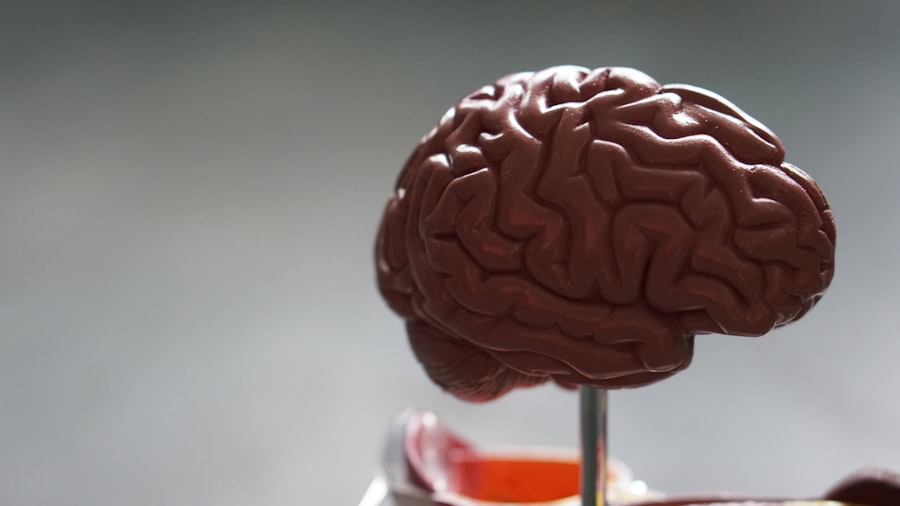
Your ongoing relationship with your healthcare providers is a cornerstone of maintaining your cognitive health as you age. Regular check-ups and open communication allow for early detection and management of conditions that can affect your brain.
Regular Medical Check-ups
Attend all scheduled appointments with your primary care physician and any specialists. These visits are crucial for monitoring your overall health.
Discussing Cognitive Concerns Openly
Don’t hesitate to voice any concerns you have about your memory or cognitive function with your doctor. They can perform assessments and provide guidance.
Understanding Medication Side Effects
Review your current medications with your doctor. Certain drugs can have cognitive side effects, and alternatives may be available.
Managing Chronic Health Conditions
Conditions like high blood pressure, diabetes, and high cholesterol can significantly impact brain health if left unmanaged. Working with your doctor to keep these conditions under control is vital.
Adhering to Treatment Plans
Follow your doctor’s recommendations for managing any chronic health conditions. This includes taking prescribed medications and making necessary lifestyle adjustments.
Monitoring for Related Symptoms
Be aware of how your chronic conditions might be affecting you. Report any new or worsening symptoms to your doctor promptly.
As we age, maintaining cognitive health becomes increasingly important, especially in our 80s. Engaging in regular mental exercises, staying socially active, and following a balanced diet can significantly contribute to preventing cognitive decline. For more insights on this topic, you may find it helpful to read a related article that discusses various strategies to support brain health in later years. You can explore it further by visiting this link.
Embracing a Proactive Mindset for Your 80s and Beyond
| Preventive Measures | Effectiveness |
|---|---|
| Regular physical exercise | Reduces risk of cognitive decline |
| Healthy diet rich in fruits and vegetables | Supports brain health |
| Mental stimulation and social engagement | Helps maintain cognitive function |
| Managing cardiovascular risk factors | May reduce risk of cognitive decline |
| Quality sleep | Important for brain health |
Your 80s represent a period of life where your experiences and wisdom are invaluable. By adopting a proactive and engaged approach to your health, you can significantly influence your cognitive well-being. These strategies are not about drastic overhauls, but rather about consistent, mindful choices that support your brain’s continued vitality. You possess the agency to actively participate in preserving your mental sharpness and enjoying a fulfilling life during this important decade and into the future. Remember, it’s never too late to start implementing these beneficial practices.
FAQs
What is cognitive decline?
Cognitive decline refers to the gradual loss of cognitive functions such as memory, attention, and problem-solving abilities. It is a normal part of aging, but in some cases, it can lead to more serious conditions such as dementia.
What are some ways to prevent cognitive decline in your 80s?
Some ways to prevent cognitive decline in your 80s include staying physically and mentally active, eating a healthy diet, getting enough sleep, managing chronic conditions such as diabetes and high blood pressure, and staying socially engaged.
How does physical activity help prevent cognitive decline?
Physical activity helps prevent cognitive decline by improving blood flow to the brain, reducing the risk of chronic conditions such as heart disease and diabetes, and promoting the growth of new brain cells.
What role does diet play in preventing cognitive decline?
A healthy diet, rich in fruits, vegetables, whole grains, and lean proteins, can help prevent cognitive decline by providing essential nutrients and antioxidants that support brain health. It can also help manage conditions such as high blood pressure and diabetes, which are risk factors for cognitive decline.
Why is it important to stay socially engaged in preventing cognitive decline?
Staying socially engaged can help prevent cognitive decline by providing mental stimulation, reducing stress, and promoting a sense of belonging and purpose. Social activities also encourage physical activity and healthy eating, which are important for overall brain health.