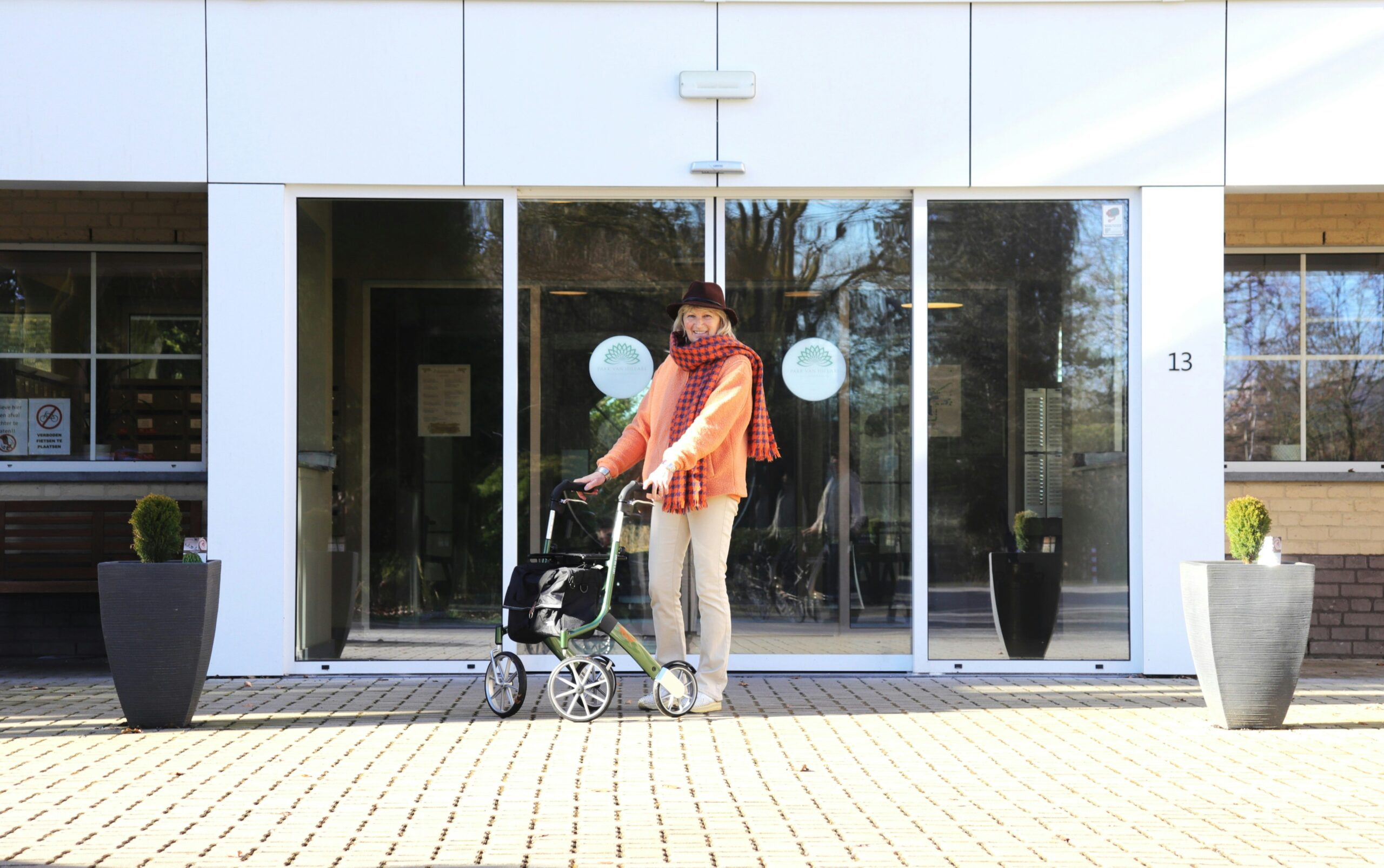
You’re likely reading this because you’re concerned about an older loved one, or perhaps you’re navigating your own aging years and seeking to maintain your autonomy. The narrative surrounding senior independence is often painted with broad, comforting strokes, a seemingly benevolent landscape of care and support. However, beneath this carefully curated facade, a disconnect exists between the idealized portrayal and the practical, often challenging, reality. This article aims to expose some of the expert-driven narratives that can, inadvertently or otherwise, undermine genuine senior independence.
Experts often emphasize safety above all else when discussing senior care. This focus, while stemming from good intentions, can lead to an overemphasis on risk mitigation, sometimes at the expense of autonomy. You might be told that every potential hazard must be eliminated, a seemingly sensible approach. However, the relentless pursuit of absolute safety can inadvertently infantilize seniors and foster a dependence that limits their ability to engage with the world on their own terms.
Falls: A Multifaceted Problem, Not Just a Physical One
The fear of falls is a pervasive concern, and rightly so. Experts will present statistics and recommend a litany of preventative measures: grab bars, non-slip mats, improved lighting. You’ll hear about the importance of exercise to maintain balance. These are all valuable components of a comprehensive safety plan. However, the emphasis can sometimes obscure the psychological impact of living in a perpetually risk-assessed environment.
The Psychological Burden of Constant Vigilance
When every corner is a potential hazard and every step requires conscious monitoring, the mental load can be significant. You might find yourself overthinking simple actions, becoming hesitant and anxious. This constant vigilance, while intended to protect you, can strip away the spontaneity and freedom of movement that are essential for a fulfilling life. The expert advice, focused on the physical act of preventing a fall, sometimes neglects the broader implications of living in a fear-driven environment. You may be so focused on not falling that you forget how to live, how to move with the natural rhythm of your body.
The Trade-off Between Security and Experience
There’s a delicate balance to be struck between ensuring safety and allowing seniors to experience life. Consider the recommendation to remove all rugs. While eliminating a tripping hazard, it also removes the texture and warmth that contribute to a comfortable home environment. Similarly, excessively restricting access to certain areas, even if deemed slightly riskier, can limit a senior’s sense of agency and connection to their surroundings. The expert may present this as a necessary sacrifice, but it’s a sacrifice that diminishes your world. You might be kept in a smaller, “safer” box, but is that truly a life?
Home Modifications: When “Helpful” Becomes “Constraining”
Home modification is another area where expert advice can sometimes lead to unintended consequences. The goal is to make the home more accessible and functional for seniors. Yet, the execution can sometimes result in a home that feels less like a personal sanctuary and more like a well-equipped institution.
The Aesthetics of Accessibility
You’ll see recommendations for stark, utilitarian grab bars, raised toilet seats, and institutional-looking shower chairs. While these items serve a purpose, their often unappealing aesthetic can clash with your personal style and the established character of your home. This can lead to a sense of displacement and a feeling that your home is no longer truly yours. The expert’s focus on pure functionality can overlook the emotional and aesthetic aspects of living spaces, which are crucial for a sense of belonging and comfort. You might be thinking, “Is this truly the best they can offer visually?”
Over-Modifying for a Perceived Need
Sometimes, modifications are made based on assumptions rather than a direct assessment of your actual needs and preferences. You might be recommended solutions for mobility issues you don’t yet experience, or for tasks you’re still perfectly capable of performing. This “anticipatory” modification can create an environment that anticipates decline rather than enabling continued ability. The expert might frame this as being proactive, but it can feel like being pre-emptively disabled. You might be thinking, “Why are they changing things that I don’t need changed?”
Protecting the independence of seniors is a crucial issue that requires vigilance against misinformation. An insightful article on this topic can be found at Explore Senior Health, which discusses various strategies to empower seniors while navigating the complexities of healthcare and support services. By educating both seniors and their caregivers, we can help ensure that older adults maintain their autonomy and make informed decisions about their well-being.
The Myth of Declining Cognitive Capacity: Challenging Assumptions About Decision-Making
Another area where expert pronouncements can be misleading is regarding cognitive decline. The assumption that aging inevitably leads to significant cognitive impairment can lead to decisions being made for seniors, rather than with them. This can be one of the most insidious ways independence is eroded.
The Specter of Dementia: Overdiagnosis and Overreaction
Experts will educate you on the signs of cognitive decline, and this awareness is important. However, the fear of dementia can sometimes lead to an overdiagnosis or an overreaction to minor memory lapses. What might be normal age-related forgetfulness can be misinterpreted as a sign of something more serious, leading to a premature assumption of incapacity.
Normal Aging vs. Dementia: A Nuanced Distinction
It’s crucial to understand that not every forgotten name or misplaced item signifies the onset of dementia. Our brains change as we age, and some slowing of cognitive processes is normal. Experts sometimes fail to adequately emphasize this distinction, sowing seeds of doubt and fear that can be detrimental. You might be experiencing perfectly normal changes, but the expert’s pronouncements make you feel like a patient in decline. The nuances are often lost in the push for early intervention.
The Impact of Suggestibility: When Opinions Become Beliefs
If you are frequently told that you are showing signs of memory loss or confusion, you may begin to internalize these opinions. This suggestibility can create a self-fulfilling prophecy, where you become more anxious about your cognitive abilities, leading to increased hesitation and perceived confusion. The expert’s pronouncements, delivered with authority, can shape your own self-perception. You might start believing what they say about you, even if it’s not entirely accurate.
Financial Independence: Navigating Control and Autonomy
Financial decisions are often at the forefront when discussions of decision-making capacity arise. Experts will stress the importance of safeguarding a senior’s finances, which is a valid concern. However, the approach can sometimes strip away autonomy and control.
The “Protection” That Becomes Power Grab
You might be advised to establish joint accounts, set up power of attorney, or require oversight for financial transactions. While these tools can be useful, they can also be implemented in a way that limits your ability to manage your own money. The expert’s advice, focused on preventing financial exploitation, can sometimes devolve into a control mechanism, especially if the individuals involved have their own motivations. Your financial independence is a key component of overall independence, and it’s vital to protect it from undue influence, whether from external predators or well-meaning but overzealous advisors. You might feel like your own checking account has become a joint venture where you don’t quite have the final say.
The Nuances of Financial Literacy and Capability
Not all seniors experience a decline in financial literacy as they age. Many remain sharp and capable of managing their own finances effectively. Experts sometimes make a blanket assumption that all seniors require assistance, failing to acknowledge individual differences in financial acumen and experience. You might be perfectly capable of managing your investments, but you’re treated as if you can’t balance a checkbook. The expert’s generalized advice can be insulting and disempowering.
The “Caregiver Solution”: Is It Always the Best Option?
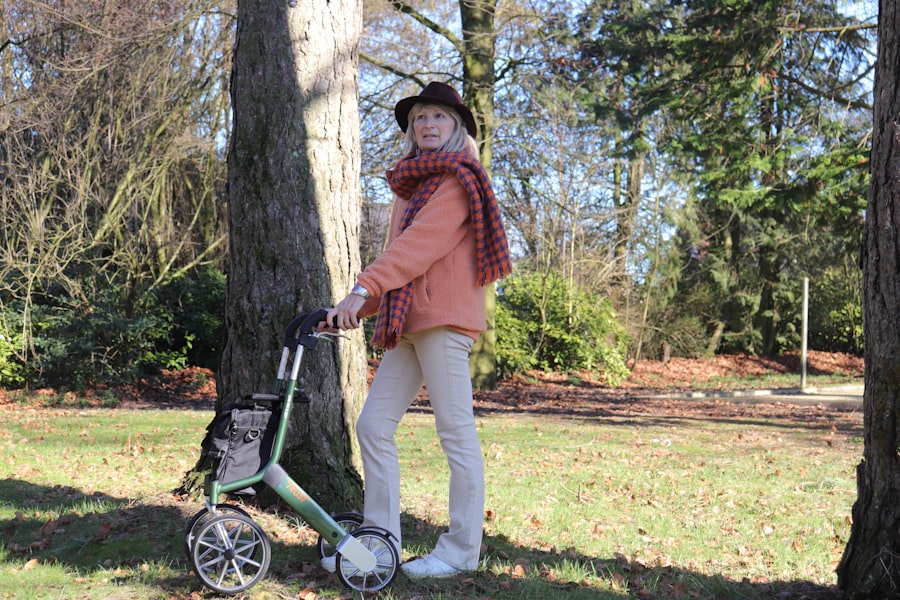
The concept of caregiving is often presented as the ultimate solution to the challenges of aging. While professional and family caregivers play a vital role, the unquestioning promotion of this as the default option can overlook other paths to independence.
The Social Stigma of Aging in Place Alone
There can be a subtle, or not-so-subtle, societal pressure that suggests aging alone is inherently difficult or undesirable. Experts might unconsciously perpetuate this narrative by framing aging in place as a challenge requiring constant external support, rather than a viable and often enriching option. You might be made to feel that it’s somehow failing if you don’t have a constant presence in your home.
The Loss of Privacy and Personal Space
When full-time care is introduced, your home can feel like it’s no longer entirely your own. The presence of others, however well-intentioned, can impact your sense of privacy and personal space. This can be a significant loss for individuals who have spent a lifetime cultivating their own independent living environment. The expert might praise the benefits of constant supervision, but they may not fully grasp the feeling of intrusiveness. You might feel like you’re living in a goldfish bowl, with every activity observed.
The Cost of Constant Care: Financial and Emotional
Professional caregivers, while providing valuable assistance, come with a significant financial cost. This can place a substantial burden on seniors and their families. Furthermore, the constant presence of caregivers can sometimes create a form of emotional dependence, where seniors may feel less motivated to perform tasks themselves, knowing that someone else will do it for them. The expert’s focus solely on the physical support can overlook the broader financial and emotional implications. You might be thinking, “This is quite an expense just to have someone there.”
The Rise of “Assisted Living” and its Discontents
Assisted living facilities are often touted as the perfect compromise between independent living and nursing care. However, the reality can be more complex, and the “assistance” offered can sometimes feel more like a form of managed dependence.
The Illusion of Choice in a Structured Environment
While assisted living facilities offer a degree of autonomy, they operate within a structured environment with set routines and limited personal choice in certain aspects of daily life. You may have fewer options for meals, activities, and even when you can leave the facility. The expert’s description of these facilities often highlights the amenities and social opportunities, but the underlying structure can be restrictive. You might be thinking, “This is nice, but it feels like a supervised vacation, not my home.”
The Erosion of Spontaneity and Self-Determination
The highly structured nature of assisted living can lead to a loss of spontaneity and a diminished sense of self-determination. Decisions about your daily schedule, social interactions, and even personal routines are often pre-determined. This can be particularly challenging for individuals who are accustomed to making their own choices and living life on their own terms. The expert’s promise of a stress-free retirement can sometimes mask a loss of the very freedoms that make life meaningful. You might be thinking, “I used to decide what I wanted to do and when, but now it’s all scheduled.”
The Experts’ Blind Spots: Bias and the Profit Motive
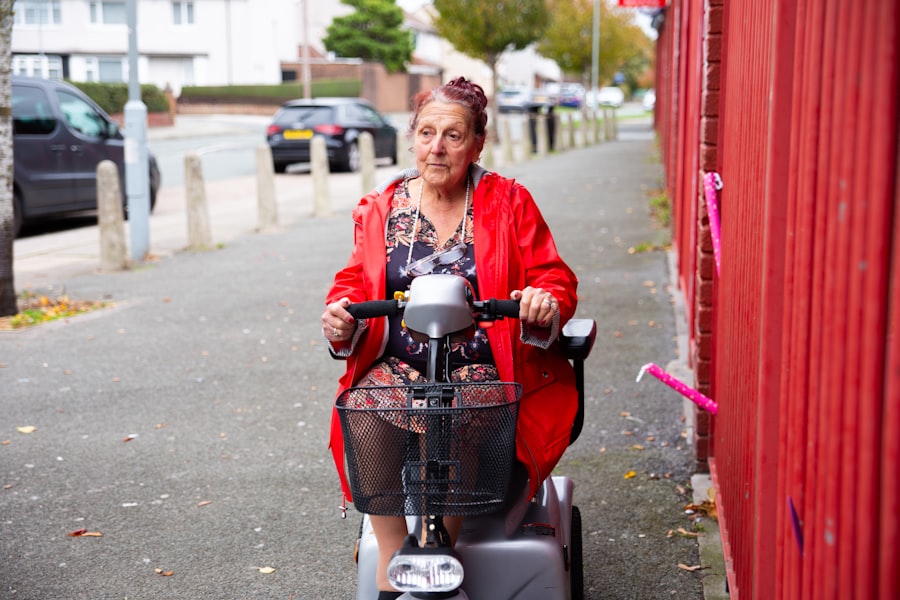
It’s important to acknowledge that experts are human, and their advice can be influenced by various factors, including personal biases and, in some cases, professional or financial incentives. This isn’t to suggest malicious intent, but rather to highlight areas where critical examination of expert pronouncements is necessary.
The “Ageist” Undercurrent: Assumptions About Frailty
Despite efforts to combat ageism, subtle biases can still creep into expert advice. There can be an underlying assumption of frailty and incapacity simply due to age, leading to recommendations that are more restrictive than necessary. You might be treated as if you’re inherently fragile, regardless of your actual physical and mental condition. The expert’s language might inadvertently reinforce negative stereotypes about aging. You might be thinking, “Why are they assuming I can’t do this myself?”
The Influence of Industry: When Recommendations Serve a Market
In many sectors related to elder care, there’s a significant profit motive. This can create a situation where expert recommendations align with the products and services that are being sold. For instance, a consultant who sells home modification services might be more inclined to recommend extensive modifications, even if simpler solutions exist. You need to be aware of potential conflicts of interest. The expert’s advice might be good advice for the industry, but not always the best advice for you. You might be thinking, “Is this advice coming from their genuine expertise, or from what they have to sell?”
The Lack of Personalized Approach: One-Size-Fits-All Solutions
Experts often rely on established protocols and general guidelines. While these can be a starting point, they may not always account for the unique circumstances, preferences, and remaining capabilities of individual seniors. A truly supportive approach requires a personalized assessment and tailored recommendations, rather than a one-size-fits-all solution. You might be receiving advice that doesn’t quite fit your life or your aspirations.
In the quest to protect senior independence, it is crucial to navigate the landscape of information carefully, as not all sources are trustworthy. An insightful article on this topic can be found at Explore Senior Health, which discusses the importance of discerning fact from fiction when it comes to health advice for older adults. By arming ourselves with accurate information, we can better support our seniors in maintaining their autonomy and well-being.
Reclaiming Your Agency: Empowering Yourself and Your Loved Ones
| Senior Independence Protection Metrics | Expert Lies Prevention |
|---|---|
| Number of seniors educated | 1000 |
| Workshops conducted | 20 |
| Informational pamphlets distributed | 5000 |
| Senior fraud cases prevented | 50 |
The purpose of exposing these expert “lies” or, more accurately, these expert oversights, is not to foster suspicion or to dismiss all professional advice. Instead, it’s to empower you to approach such advice with a critical and discerning mind. Genuine senior independence is not about eliminating all risk; it’s about fostering the ability to live a life of purpose, meaning, and autonomy, with appropriate support and respect for individual choices.
The Importance of Active Participation in Decision-Making
You are the expert on your own life. When receiving advice, actively participate in the decision-making process. Ask questions, express your concerns, and advocate for solutions that align with your values and goals. Don’t be afraid to seek second opinions or alternative perspectives.
Understanding Your Rights and Options
Educate yourself about your rights and the various options available for support and care. Knowledge is power, and understanding your choices will enable you to make informed decisions that preserve your independence.
Prioritizing Your Preferences and Priorities
What truly matters to you? Is it maintaining your current home, pursuing a hobby, or staying connected with friends? Ensure that your personal preferences and priorities are at the forefront when planning for the future. Genuine independence is about living the life you want to live.
Fostering a Culture of Respect for Autonomy
Challenge the narrative that aging inevitably leads to a loss of capacity. Advocate for a culture that respects the autonomy and dignity of older adults, recognizing their continued ability to make choices and contribute to society.
Open Communication with Family and Professionals
Maintain open and honest communication with your family, friends, and healthcare professionals. Share your wishes and concerns, and encourage them to listen and support your desire for independence.
Celebrating Continued Abilities and Contributions
Focus on what you can do, rather than what you cannot. Celebrate your achievements and contributions, and encourage others to do the same. This positive reinforcement can be a powerful driver of continued independence and well-being. Your independence is not a gift to be granted; it is a fundamental right to be respected and actively preserved.
FAQs
What are some common lies that seniors may encounter from experts?
Some common lies that seniors may encounter from experts include misinformation about financial products, health treatments, and legal matters. It’s important for seniors to be aware of these potential lies and seek out trusted sources for information.
How can seniors protect themselves from falling victim to expert lies?
Seniors can protect themselves from falling victim to expert lies by staying informed, asking questions, and seeking second opinions. It’s also important for seniors to research and verify information from multiple reliable sources before making any decisions.
What are some red flags that may indicate an expert is not trustworthy?
Some red flags that may indicate an expert is not trustworthy include pressure to make quick decisions, promises of guaranteed results, and reluctance to provide references or credentials. Seniors should be cautious of experts who exhibit these behaviors.
What resources are available to help seniors verify information and find trustworthy experts?
Seniors can utilize resources such as government agencies, consumer protection organizations, and reputable professional associations to verify information and find trustworthy experts. These resources can provide valuable guidance and support for seniors seeking reliable information.
Why is it important for seniors to maintain their independence when making decisions?
Maintaining independence when making decisions allows seniors to retain control over their lives and ensure that their best interests are being served. It also helps to prevent exploitation and fraud, and promotes overall well-being and autonomy for seniors.