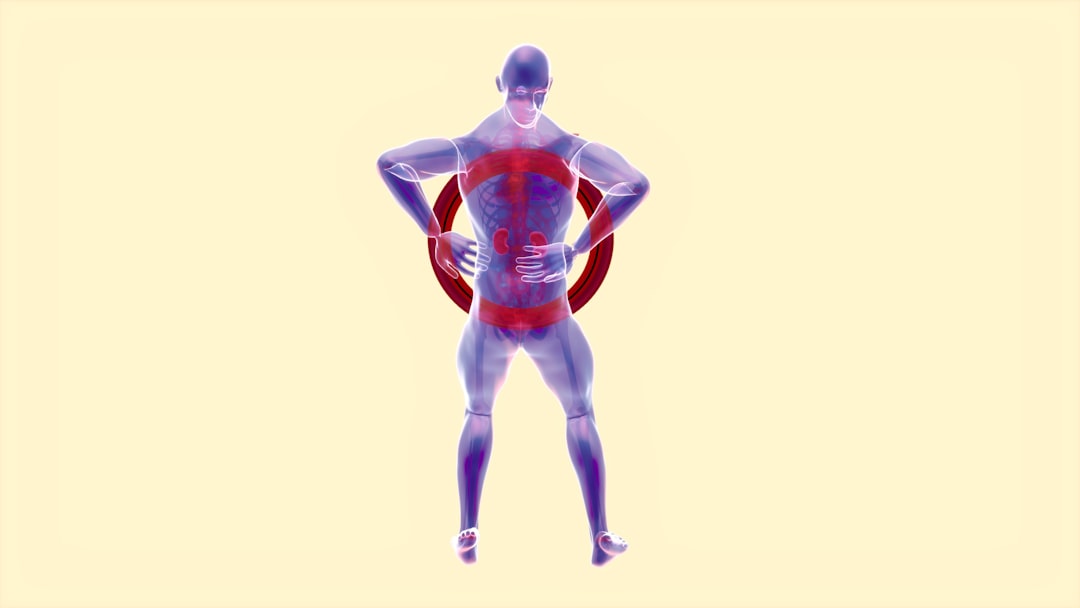
You are entering a period of life where maintaining muscle mass becomes a more conscious endeavor. The natural process of aging, often termed sarcopenia, is characterized by a progressive and generalized loss of skeletal muscle mass and strength. This decline is not an inevitable cascade into frailty; rather, it is a modifiable condition that you can actively mitigate and even reverse. Understanding the mechanisms behind muscle loss and adopting strategic interventions will empower you to sustain your independence, enhance your quality of life, and continue to engage in activities you enjoy. Think of your muscles as an intricate national park system; regular maintenance and proper resource allocation are crucial to prevent the erosion of its natural beauty and functionality.
Sarcopenia is not merely a cosmetic concern; it has far-reaching implications for your health and well-being. It’s a foundational issue that can precipitate a cascade of other health problems.
The Biological Underpinnings of Muscle Loss
As you age, several physiological changes contribute to sarcopenia. Your body’s ability to synthesize new muscle proteins from dietary intake decreases, a phenomenon known as anabolic resistance. This means that even with adequate protein consumption, your muscles may not be utilizing it as efficiently as they once did. Think of it as a factory where the production line is slowing down, even with a steady supply of raw materials.
Furthermore, there is often a reduction in the number and size of muscle fibers, particularly fast-twitch fibers responsible for power and strength. Your neuromuscular junctions, the points where nerves connect to muscles, also show signs of deterioration, leading to less efficient muscle contraction. Hormonal changes, such as a decline in testosterone and growth hormone, further exacerbate this process. Chronic inflammation, a common feature of aging, also plays a role by promoting muscle protein breakdown.
The Functional Consequences of Reduced Muscle Mass
The impact of sarcopenia extends beyond a mere decrease in muscle size. You may notice a decline in your overall strength, making everyday tasks, such as lifting groceries or climbing stairs, more challenging. Your balance and gait can be compromised, increasing your risk of falls – a major concern for seniors. Reduced muscle mass also affects your metabolic health, contributing to insulin resistance and a higher risk of type 2 diabetes. Your bones, which rely on muscle tension for their strength, can also become more brittle, escalating the risk of osteoporosis. Essentially, sarcopenia chips away at your body’s structural integrity and its ability to perform its regular functions.
For seniors looking to combat muscle loss, a comprehensive approach that includes strength training, proper nutrition, and lifestyle changes is essential. A related article that provides valuable insights on this topic can be found at Explore Senior Health. This resource offers practical tips and strategies to help seniors maintain their muscle mass and overall health as they age, emphasizing the importance of staying active and eating a balanced diet rich in protein.
Nutrition as a Cornerstone: Fueling Muscle Regeneration
Just as a thriving garden requires nutrient-rich soil, your muscles need specific nutritional inputs to maintain and rebuild themselves. Your dietary choices are not merely about sustenance; they are a direct investment in your muscular health.
Prioritizing Protein Intake
Protein is the primary building block of muscle tissue. To counteract anabolic resistance, you need to consume a higher quantity and quality of protein compared to younger individuals. Aim for approximately 1.0 to 1.2 grams of protein per kilogram of body weight per day, distributed evenly across your meals. This approach ensures a continuous supply of amino acids for muscle protein synthesis.
- Optimal Protein Sources: Incorporate lean meats, poultry, fish, eggs, dairy products (milk, yogurt, cheese), legumes, and soy products into your diet. These sources provide a complete amino acid profile, meaning they contain all the essential amino acids your body cannot produce on its own.
- Timing of Protein Consumption: Consider consuming protein strategically, particularly around your resistance training sessions. A protein-rich snack or meal within an hour or two after exercise can significantly enhance muscle repair and growth.
The Role of Essential Micronutrients
Beyond protein, a constellation of vitamins and minerals plays critical roles in muscle health.
- Vitamin D: This vitamin is crucial for muscle function and strength. Many older adults are deficient in Vitamin D. Ensure adequate intake through sun exposure (within safe limits), fortified foods, and potentially supplements, under medical guidance. Think of Vitamin D as the foreman overseeing the construction crew – without it, the work simply doesn’t get done efficiently.
- Calcium: Essential for muscle contraction and bone health, calcium works in synergy with Vitamin D. Dairy products, leafy green vegetables, and fortified foods are excellent sources.
- Magnesium and Potassium: These electrolytes are vital for nerve signaling and muscle function. A balanced diet rich in fruits, vegetables, nuts, and seeds will typically provide sufficient amounts.
- Omega-3 Fatty Acids: Found in fatty fish like salmon, mackerel, and sardines, omega-3s possess anti-inflammatory properties that can help mitigate the chronic inflammation associated with aging and muscle loss.
Resistance Training: The Undisputed Catalyst for Muscle Growth

If nutrition is the fuel, then resistance training is the engine that drives muscle rebuilding. It is the most potent stimulus for reversing sarcopenia. You must challenge your muscles to encourage them to adapt and grow stronger.
Principles of Effective Resistance Training
To maximize your gains and minimize injury risk, adhere to fundamental principles.
- Progressive Overload: This is the cornerstone of muscle building. To continue stimulating muscle growth, you must gradually increase the demand placed on your muscles over time. This can be achieved by lifting heavier weights, performing more repetitions, adding more sets, or decreasing rest times. Imagine your muscles as an adaptable machine; if you keep asking it to do the same amount of work, it will maintain, but not improve.
- Proper Form: Prioritize correct technique over lifting heavy weights. Incorrect form can lead to injuries and reduce the effectiveness of the exercise. Seek guidance from a qualified fitness professional to learn proper execution.
- Consistency: Regularity is paramount. Aim for at least two to three resistance training sessions per week, with at least 48 hours of rest between sessions for the same muscle groups.
- Variety: Periodically change your exercises, sets, reps, and training methods to prevent plateaus and keep your muscles challenged. Your body is remarkably adaptable, and routine can become monotonous and less effective over time.
Designing Your Resistance Training Program
Your program should be comprehensive and target all major muscle groups.
- Compound Exercises: Prioritize exercises that involve multiple joints and muscle groups, such as squats, lunges, push-ups (modified as needed), rows, and overhead presses. These exercises are highly efficient and mimic real-life movements.
- Isolation Exercises: Incorporate some isolation exercises (e.g., bicep curls, tricep extensions, calf raises) to address specific muscle weaknesses or enhance definition, if desired.
- Repetition Ranges: For muscle hypertrophy (growth) and strength, aim for 8-12 repetitions per set, performing 2-3 sets per exercise. As you get stronger, you may increase the weight and lower the reps to 6-8 for strength gains.
- Rest and Recovery: Allow your muscles adequate time to recover and rebuild. This means incorporating rest days between training sessions and ensuring sufficient sleep. Overtraining can be counterproductive and lead to injury.
Beyond the Gym: Lifestyle Factors for Muscle Preservation

Your daily habits outside of structured exercise play a significant role in your ability to maintain and build muscle. Think of these as the supporting cast members that ensure the main show, your training, is a blockbuster.
The Crucial Role of Sleep
During sleep, your body releases growth hormone and other anabolic hormones that are essential for muscle repair and growth. Insufficient sleep can impair muscle recovery, reduce hormone levels, and even increase inflammation. Aim for 7-9 hours of quality sleep per night. Establish a consistent sleep schedule, create a relaxing bedtime routine, and optimize your sleep environment.
Managing Stress Effectively
Chronic stress elevates cortisol levels, a catabolic hormone that can promote muscle protein breakdown. Incorporate stress-management techniques into your daily routine, such as meditation, yoga, deep breathing exercises, or spending time in nature. Reducing stress helps your body operate in a more anabolic, muscle-building state.
Staying Active Throughout the Day
While dedicated resistance training is crucial, avoiding prolonged periods of inactivity is equally important. Incorporate low-intensity physical activity throughout your day, such as walking, gardening, or housework. This not only burns calories but also helps maintain blood flow and keeps your muscles primed for activity. Avoid a sedentary lifestyle, which can accelerate muscle loss. Think of constant, gentle movement as a slow, steady current that keeps your metaphorical muscular river flowing, preventing stagnation.
To effectively combat muscle loss in seniors, it’s essential to incorporate a combination of strength training, proper nutrition, and lifestyle changes. Engaging in regular resistance exercises can significantly help in rebuilding muscle mass, while a diet rich in protein supports muscle repair and growth. For more detailed strategies and insights on this topic, you can explore a related article that provides valuable tips and guidance on maintaining muscle health as we age. Check it out here.
Consulting Healthcare Professionals: Your Collaborative Team
| Method | Description | Effectiveness | Recommended Frequency | Additional Notes |
|---|---|---|---|---|
| Resistance Training | Exercises using weights or resistance bands to build muscle strength. | High – can increase muscle mass by 1-2% per week in seniors. | 2-3 times per week | Start with low intensity and gradually increase to avoid injury. |
| Protein Intake | Consuming adequate protein to support muscle repair and growth. | Moderate to High – 1.2 to 1.5 grams per kg body weight daily recommended. | Daily | Include high-quality protein sources like lean meats, dairy, and legumes. |
| Vitamin D Supplementation | Supports muscle function and strength. | Moderate – improves muscle performance and reduces fall risk. | Daily or as prescribed | Check vitamin D levels before supplementation. |
| Physical Activity | General movement and aerobic exercises to maintain overall health. | Moderate – supports muscle endurance and cardiovascular health. | At least 150 minutes per week | Include walking, swimming, or cycling. |
| Hormone Therapy | Use of testosterone or growth hormone under medical supervision. | Variable – may improve muscle mass but with potential risks. | As prescribed by physician | Not suitable for all seniors; requires medical evaluation. |
| Physical Therapy | Customized exercise programs to improve strength and mobility. | High – tailored to individual needs and limitations. | 1-3 sessions per week | Beneficial for seniors with mobility issues or after injury. |
Navigating the landscape of muscle preservation in later life is best done with the guidance of experts. You are the captain of your ship, but a good navigator and engineers are invaluable.
Engaging with Your Physician
Regular check-ups with your physician are essential. Discuss your goals for muscle health and any concerns you may have. Your doctor can assess your overall health, identify underlying medical conditions that might be contributing to muscle loss, and recommend appropriate screenings or interventions. They can also provide guidance on safe exercise practices, especially if you have pre-existing health conditions like heart disease or arthritis.
Seeking Expert Fitness Guidance
Consider working with a certified personal trainer, particularly one experienced in working with older adults. A qualified trainer can:
- Assess Your Current Fitness Level: They can evaluate your strength, balance, and mobility to create a safe and effective starting point.
- Develop a Personalized Exercise Program: A tailored program will consider your individual needs, preferences, and physical limitations.
- Teach Proper Form and Technique: This is paramount to preventing injuries and maximizing the effectiveness of your workouts.
- Provide Motivation and Accountability: A trainer can be a valuable partner in your journey, helping you stay consistent and motivated.
Nutritional Counseling
A registered dietitian can provide personalized guidance on optimizing your protein intake and ensuring you are meeting all your micronutrient needs. They can help you develop a meal plan that supports muscle growth while addressing any specific dietary restrictions or preferences you may have.
By actively engaging in resistance training, optimizing your nutrition, adopting healthy lifestyle habits, and collaborating with healthcare professionals, you can effectively reverse muscle loss and foster a stronger, more resilient you. This is not about arresting the natural progression of time, but rather, about shaping its trajectory in your favor, ensuring your body remains a robust and capable instrument for the life you wish to live.

WATCH NOW ▶️ The 5-Year Medicaid Trap: How to Protect Your Home and Health
FAQs
What causes muscle loss in seniors?
Muscle loss in seniors, also known as sarcopenia, is primarily caused by aging-related factors such as decreased physical activity, hormonal changes, inadequate protein intake, and chronic health conditions. These factors lead to a gradual decline in muscle mass and strength.
Can muscle loss in seniors be reversed?
Yes, muscle loss in seniors can often be reversed or significantly improved through a combination of regular resistance training exercises, proper nutrition including sufficient protein intake, and addressing any underlying health issues. Early intervention is key to better outcomes.
What types of exercises are most effective for reversing muscle loss in seniors?
Resistance training exercises, such as weight lifting, resistance band workouts, and bodyweight exercises like squats and push-ups, are most effective for building and maintaining muscle mass in seniors. Incorporating balance and flexibility exercises can also support overall physical function.
How important is nutrition in reversing muscle loss in seniors?
Nutrition plays a critical role in reversing muscle loss. Seniors should focus on consuming adequate protein, essential vitamins (like vitamin D), and minerals to support muscle repair and growth. Consulting a healthcare provider or dietitian can help tailor a nutrition plan to individual needs.
Are there any medical treatments available to help reverse muscle loss in seniors?
While exercise and nutrition are the primary approaches, some medical treatments such as hormone replacement therapy or medications may be considered in specific cases under medical supervision. However, these treatments are typically adjuncts and not replacements for lifestyle changes.