
You’ve likely seen them tucked away in the back of your pantry – those jars and tins of spices, some perhaps passed down from previous generations or acquired during a phase of culinary exploration that has long since faded. They might still have a hint of their former aroma, a faint whisper of the vibrant flavors they once promised. While the instinct might be to continue using them for convenience or out of a sense of not wanting to waste, especially as you enter your senior years, it’s important to consider the potential risks associated with consuming old spices. These aren’t just about diminished flavor; they can pose genuine health concerns that warrant your attention.
You might assume that spices, being dried plant matter, are inherently long-lasting. In a broad sense, this is true – they don’t spoil in the same way fresh produce does. However, this doesn’t mean they remain safe or potent indefinitely. The compounds that give spices their flavor, aroma, and even their health-promoting properties are volatile and degrade over time. The way spices are stored significantly impacts this degradation process.
Factors Affecting Spice Potency
You might wonder what exactly causes a spice to lose its vigor. Several factors are at play:
Exposure to Light
Sunlight and even artificial fluorescent light can break down the delicate compounds within spices, accelerating their loss of flavor and aroma. You’ve probably noticed how brightly colored spices like paprika or turmeric can fade in containers left exposed to light. This fading is a visual indicator of chemical degradation.
Exposure to Heat
High temperatures are another enemy of spice freshness. Storing spices near your oven, stove, or even on a sunny windowsill will cause their volatile oils to evaporate more quickly, rendering them less potent and potentially altering their flavor profile.
Exposure to Air
Oxygen is necessary for life, but it also contributes to oxidation, a process that can degrade organic compounds. When spices are exposed to air, their essential oils begin to break down, leading to a loss of flavor and aroma. This is why well-sealed containers are so crucial.
Exposure to Moisture
While spices are dried, excessive moisture can lead to clumping, mold growth, and spoilage. This is particularly true if whole spices absorb humidity from the air or if water somehow gets into the container. Mold can produce mycotoxins, which are harmful substances.
The Difference Between Potency and Safety
It’s crucial to distinguish between a spice that has lost its potency and one that has become unsafe to consume. A spice that has lost its potency will simply taste bland; it will not significantly alter the flavor of your food and will offer minimal aromatic contribution. An unsafe spice, on the other hand, can harbor harmful substances.
Loss of Flavor
You’ll likely notice a decline in the vibrant taste and smell of old spices. This happens as the essential oils that provide their characteristic flavors and aromas evaporate or degrade. Your curries might taste less complex, your baked goods less fragrant, and your roasted vegetables less exciting.
Potential for Microbical Contamination
While dried spices are less susceptible to bacterial growth than fresh ingredients, they are not entirely immune, especially if exposed to moisture. Yeast and mold are more common culprits. These microorganisms can not only spoil the taste but also produce toxins.
Chemical Degradation and Rancidity
The oils present in some spices, particularly those with a higher fat content (like ground nuts or seeds used in spice blends), can become rancid over time. Rancidity is a process of oxidation that produces unpleasant flavors and potentially harmful byproducts.
As older adults often rely on spices to enhance the flavor of their meals, it’s crucial to be aware of the potential dangers associated with using old spices. Over time, spices can lose their potency and may even harbor harmful bacteria or mold, which can pose health risks for seniors with weakened immune systems. For more information on this topic, you can read a related article that discusses the importance of spice freshness and safety for older adults at Explore Senior Health.
Health Risks Associated with Old Spices
You might be accustomed to the idea of expired food being a straightforward health hazard. With spices, it’s a bit more nuanced, but the risks, while potentially less immediate than with raw meat, are still present and can be cumulative. As you get older, your body’s resilience might not be what it once was, making you potentially more susceptible to the ill effects of consuming compromised ingredients.
Mold and Mycotoxin Concerns
This is perhaps one of the most significant risks associated with old spices. Mold can grow on spices, especially if they have been stored in humid conditions or have become damp. Certain molds produce mycotoxins, which are toxic chemical byproducts of fungal metabolism.
Types of Mycotoxins
You’ve likely heard of some mycotoxins, like aflatoxins, which are commonly found in grains and nuts but can also contaminate spices. These toxins are not destroyed by cooking.
Impact on the Body
Mycotoxins can have a range of adverse health effects, from acute poisoning to long-term consequences like liver damage, immune system suppression, and even increased cancer risk. Your digestive system might already be more sensitive as you age, making it more vulnerable to the irritant effects of mycotoxins.
Visual and Olfactory Indicators of Mold
While not all mold is visible, sometimes you might see fuzzy growth or discolored patches on your spices. A musty or unpleasant odor can also be a sign of mold contamination. If you see or smell anything suspicious, it’s best to err on the side of caution.
Bacterial Contamination
Though less common than mold in dried spices, bacterial contamination is still a possibility, especially if the spices have been exposed to unsanitary conditions during processing or storage, or if they have absorbed moisture.
Sources of Bacteria
Contamination can occur at various points, from harvesting to packaging, if food safety standards are not rigorously maintained. Once in a spice container, especially if damp, bacteria can multiply.
Symptoms of Bacterial Poisoning
Consuming bacteria-contaminated spices can lead to food poisoning symptoms such as nausea, vomiting, diarrhea, and abdominal cramps. For seniors, these symptoms can be more severe and lead to dehydration and other complications, requiring medical attention.
Allergic Reactions and Sensitivities
While not strictly about age, as you get older, your immune system can sometimes become more reactive to certain substances. Even if you haven’t had issues with a particular spice before, older spices might present a higher risk due to altered compounds or the presence of allergens that have become more concentrated or altered through degradation.
Altered Protein Structures
The proteins in spices can undergo changes over time due to oxidation and other degradation processes. These altered proteins might be more likely to trigger an allergic response in individuals who were previously not sensitive.
Increased Risk of Cross-Contamination
If old spices have been stored without proper sealing, they are more prone to absorbing odors and particles from their surroundings. This cross-contamination could introduce allergens or irritants that were not originally present in the spice itself.
Specific Risks for Seniors
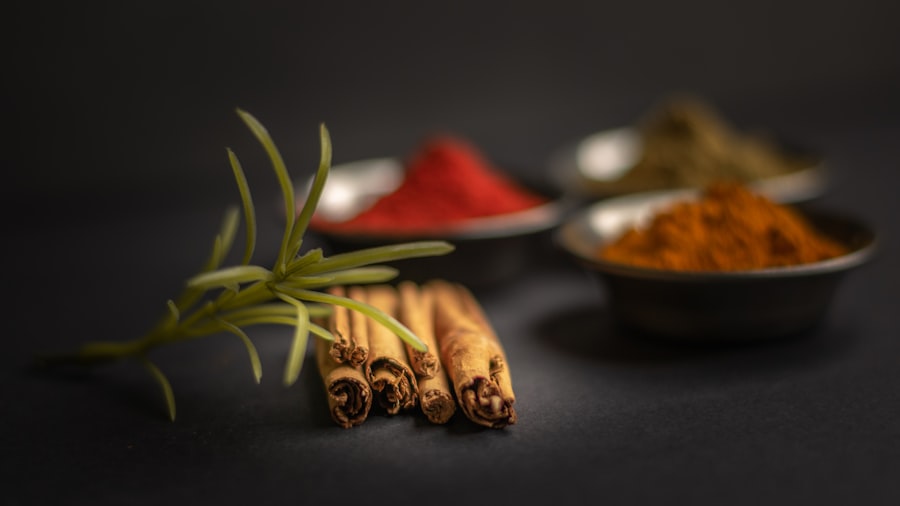
You might be wondering if there are risks that are particularly amplified for those in their senior years. Your body’s physiological changes mean you might have less resilience to certain contaminants, and your medication regimen could interact in unexpected ways.
Compromised Immune Systems
As you age, your immune system naturally becomes less robust. This means your body is less equipped to fight off infections or to cope with the toxic effects of contaminants like mycotoxins or bacteria. What might be a minor inconvenience for a younger person could be more serious for you.
Reduced Ability to Neutralize Toxins
Your liver and kidneys, key organs for detoxifying your body, may not function as efficiently as they once did. This means that any toxins you ingest from old spices might stay in your system for longer and have a greater impact.
Increased Susceptibility to Foodborne Illness
With a less potent immune defense, you are more vulnerable to developing severe foodborne illnesses. The symptoms can be more intense, recovery longer, and the risk of complications like dehydration, electrolyte imbalances, and organ damage is higher.
Medication Interactions
You might be managing various health conditions with prescription medications. Some compounds in spices, especially in excess or when altered by age and degradation, could potentially interact with your medications, leading to unintended or adverse effects.
Altered Metabolism of Drugs
Certain compounds in spices can influence the enzymes responsible for metabolizing drugs in your liver. If these compounds are old and their chemical structure has changed, they could either inhibit or accelerate drug metabolism, changing the effectiveness or increasing the toxicity of your medication.
Potential for Increased Side Effects
Unforeseen interactions could also exacerbate the side effects of your medications, leading to increased fatigue, digestive issues, dizziness, or other problems that can impact your quality of life.
Digestive Sensitivities
Your digestive system can also become more sensitive with age. The lining of your stomach and intestines might be more prone to irritation, and your overall digestive motility can slow down.
Irritation of the Digestive Tract
Old spices, particularly those that have undergone rancidity or have developed microbial growth, can be particularly irritating to a sensitive digestive system, leading to discomfort, indigestion, and exacerbated gastrointestinal issues.
Worsening of Pre-existing Conditions
If you have pre-existing digestive issues like Irritable Bowel Syndrome (IBS) or acid reflux, consuming compromised spices can significantly worsen your symptoms, leading to flare-ups and discomfort.
Identifying and Replacing Old Spices
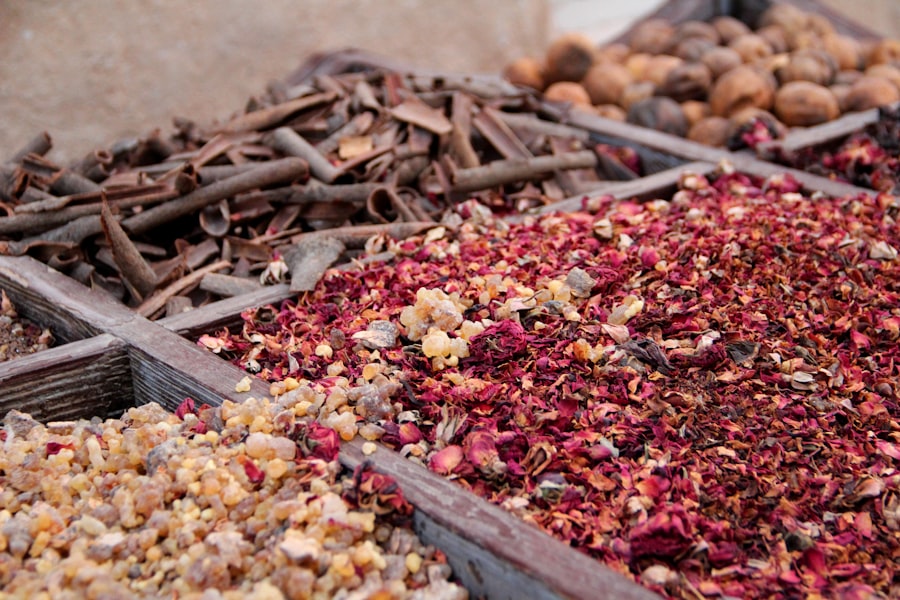
You might be wondering how to tell if your spices have passed their prime and what to do about it. It’s a straightforward process that involves a bit of observation and a commitment to fresh ingredients.
The Nose Knows: Aroma as an Indicator
Your sense of smell is a powerful tool when it comes to assessing the freshness of spices.
The Vibrant vs. the Faint
Fresh spices have a potent, distinct aroma that corresponds to their flavor. Old spices will have a much fainter, sometimes non-existent, or even slightly musty or off smell. If you open a jar and the aroma is underwhelming, it’s a strong sign it’s no longer at its best.
Identifying Off-Odors
Beyond just faintness, pay attention to any unusual smells. A rancid, chemical, or moldy odor is a clear warning sign that the spice is no longer safe or palatable.
Visual Inspection: What to Look For
While aroma is a primary indicator, a visual check can also reveal problems.
Color Changes
Spices that have been exposed to light and air will often lose their vibrant color. Paprika might turn a duller orange-red, turmeric less intensely yellow, and green herbs may appear faded or brownish. While color loss primarily affects appearance, it signifies the degradation of the compounds responsible for both color and flavor.
Signs of Mold or Clumping
As mentioned earlier, visible mold growth, fuzzy patches, or thick clumping (especially if not indicative of the spice’s natural texture) are all red flags. Clumping can sometimes be due to moisture absorption, which can then lead to mold or bacterial growth.
Practical Steps for Replacement
Once you’ve identified old spices, the next step is to replace them. This isn’t just about decluttering; it’s an investment in your health and the enjoyment of your meals.
Decluttering the Spice Rack
You might be surprised how many old spices you accumulate. Take the time to go through your spice collection shelf by shelf. Discard anything that smells weak, looks discolored, or shows any signs of spoilage.
Prioritizing Replacements
Start with the spices you use most frequently. Consider replacing them first to ensure your everyday cooking is always of the best quality. You don’t need to replace your entire spice collection overnight.
Buying in Smaller Quantities
To avoid accumulating old spices in the future, consider buying spices in smaller quantities, especially if you don’t use them very often. Many specialty spice shops offer bulk options, allowing you to purchase just the amount you need.
Storing New Spices Properly
Good storage is key to extending the life of your newly purchased spices. Keep them in airtight containers, away from light, heat, and moisture. A cool, dark pantry or cupboard is ideal.
As older adults often rely on spices to enhance the flavor of their meals, it is important to be aware of the potential dangers associated with using old spices. These spices can lose their potency and may harbor harmful bacteria or mold over time, which can pose health risks for seniors. For more information on this topic, you can read a related article that discusses the health implications of using expired spices by visiting Explore Senior Health. Being mindful of spice freshness can help ensure that meals remain both flavorful and safe for consumption.
The Importance of Freshness for Culinary Enjoyment and Well-being
| Danger | Impact on Older Adults |
|---|---|
| High Sodium Content | Can lead to high blood pressure and heart disease |
| Potential Allergens | May cause allergic reactions in older adults |
| Interactions with Medications | Some spices may interact with medications, leading to adverse effects |
| Risk of Foodborne Illness | Old spices may harbor bacteria, increasing the risk of food poisoning |
You might view spices as mere flavor enhancers, but they are more than that. They contribute to the sensory experience of eating, and for many, they are believed to offer a range of health benefits. Prioritizing fresh spices ensures you are getting the most out of both aspects.
Enhancing Flavor and Culinary Creativity
Fresh spices are the backbone of flavorful cooking. They add depth, complexity, and vibrancy to dishes, transforming ordinary meals into culinary experiences.
Unlocking Potential in Simple Dishes
Even the simplest meals can be elevated with the right fresh spices. A pinch of freshly ground black pepper, a dash of cumin, or a sprinkle of dried oregano can make a significant difference. Old, faded spices will simply not deliver this impact.
Encouraging Experimentation
When your spices are fresh and potent, you are more likely to experiment with different combinations and cuisines. This can keep your cooking exciting and enjoyable, encouraging you to try new recipes and explore different flavors.
Potential Health Benefits of Fresh Spices
Many spices are recognized for their antioxidant, anti-inflammatory, and other beneficial compounds. These benefits are often linked to the essential oils and active phytochemicals present in the plants, which are most potent when the spices are fresh.
Antioxidant Properties
Spices like turmeric, cinnamon, and ginger are rich in antioxidants, which help combat free radical damage in your body. This damage is linked to aging and chronic diseases. The presence and potency of these compounds diminish as spices age.
Anti-inflammatory Effects
Certain spices possess anti-inflammatory properties, which can contribute to overall health and well-being. When spices degrade, these beneficial compounds can also degrade, reducing their potential health impact.
Peace of Mind and Reduced Health Risks
Ultimately, using fresh spices offers you peace of mind. You can cook and eat your meals knowing that you are not inadvertently exposing yourself to harmful contaminants.
Reducing Digestive Upset
By avoiding old, potentially compromised spices, you reduce the likelihood of experiencing digestive discomfort, indigestion, and other gastrointestinal issues.
Supporting Overall Health
Ensuring that the ingredients you consume are fresh and free from harmful substances is a fundamental aspect of maintaining good health, particularly as you navigate your senior years. It’s a simple yet impactful step you can take to care for your body.
FAQs
What are the potential dangers of using old spices for older adults?
Old spices can lose their flavor and potency over time, leading to the use of larger quantities to achieve the desired taste. This can result in older adults consuming higher amounts of sodium, which can be harmful for those with high blood pressure or heart conditions.
Can old spices pose health risks for older adults?
Yes, old spices can potentially harbor mold, bacteria, and other contaminants that can cause foodborne illnesses, especially in older adults with weakened immune systems. Consuming contaminated spices can lead to symptoms such as nausea, vomiting, and diarrhea.
How can older adults ensure the safety of their spices?
To ensure the safety of their spices, older adults should regularly check the expiration dates and discard any spices that have passed their expiration date. It’s also important to store spices in a cool, dry place away from direct sunlight and moisture to maintain their quality.
What are the signs that spices have gone bad?
Signs that spices have gone bad include a loss of aroma and flavor, changes in color or texture, and the presence of mold or unusual odors. If any of these signs are present, it’s best to discard the spices to avoid potential health risks.
Are there any alternatives to using old spices for older adults?
Yes, older adults can consider using fresh herbs and spices as an alternative to old spices. Fresh herbs and spices not only provide better flavor and nutritional benefits, but they also eliminate the risks associated with consuming old or expired spices.