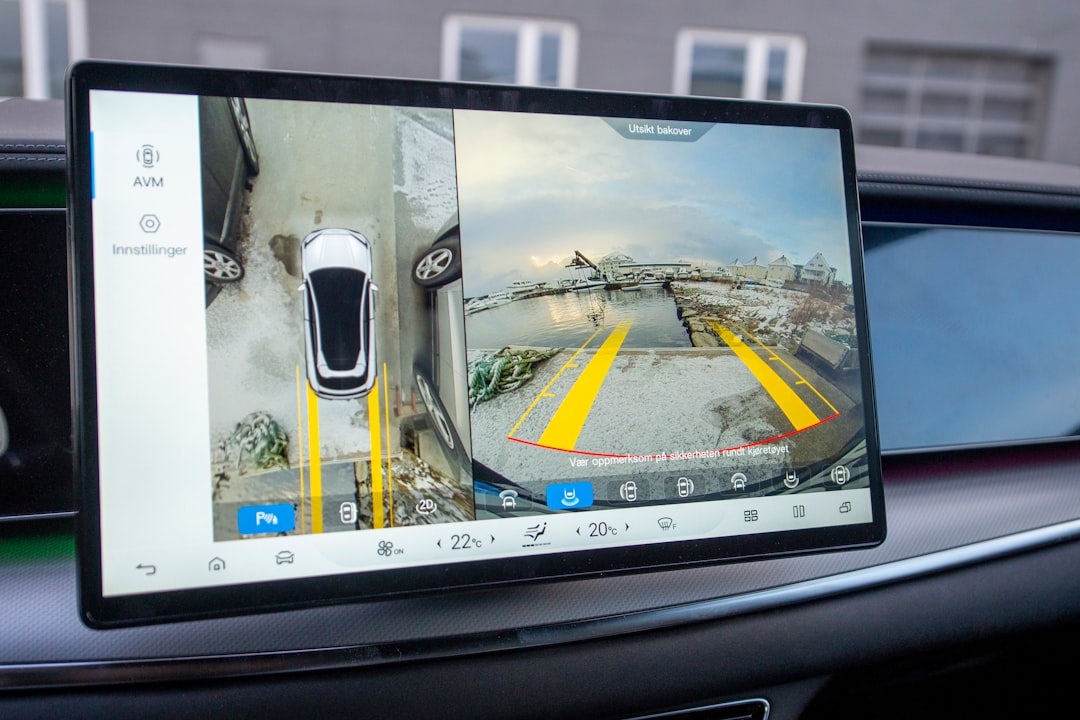
You’ve invested in a backup camera for your vehicle – a wise decision that significantly enhances your awareness when reversing. However, simply having the technology doesn’t automatically guarantee safety. Proper usage is paramount to leveraging its benefits and avoiding potential pitfalls. This guide will walk you through essential tips to ensure you’re using your backup camera effectively and safely every time you shift into reverse.
Your backup camera is a powerful tool, but it’s vital to understand what it can and cannot do. It’s not a substitute for direct observation, but rather a supplementary aid to your situational awareness.
The Primary Function: Visual Aid for Reversing
The core purpose of your backup camera is to provide a visual representation of the area directly behind your vehicle. This is particularly useful in situations where your mirrors offer limited visibility, such as when backing out of a tight parking spot or navigating a crowded driveway.
- Increased Field of View: Many backup cameras offer a wider field of view than your side mirrors, allowing you to see objects and pedestrians that might otherwise be hidden.
- Low-Light Performance: While not all cameras are created equal, many modern backup cameras are designed to function reasonably well in low-light conditions, offering some visibility even at dusk or in dimly lit parking garages.
Recognizing What a Backup Camera Cannot Replace
Despite its advantages, it’s crucial to remember that your backup camera has inherent limitations. Relying solely on the screen can lead to a dangerous false sense of security.
- Blind Spots Remain: Backup cameras, by their very nature, capture a specific area. There will always be blind spots that the camera cannot see. These can be directly behind the vehicle, to the sides, or even above if you’re backing near an obstruction.
- Obstructions to the Camera: The camera lens itself can become obstructed by dirt, mud, snow, ice, or even water droplets. This can render it useless or provide a distorted view, leading you to misinterpret the scene behind you.
- Dynamic Environments: The world is not static. Children can move quickly, pets can dart out, and other vehicles can appear unexpectedly. A backup camera shows a snapshot in time; it cannot predict future movements or the intentions of others.
- Distance Perception: Judging distances on a flat screen can be challenging. While some cameras include guidelines, these are approximations and can be misleading depending on the angle, terrain, and the height of the object being viewed.
The Importance of Calibration and Initial Setup
Before you even begin to rely on your backup camera, ensure it’s properly installed and calibrated. This might seem like a one-time task, but it’s fundamental to its effectiveness.
- Professional Installation: If your backup camera wasn’t factory-installed, consider professional installation to ensure it’s mounted at the optimal height and angle for your vehicle. Incorrect mounting can distort the image and compromise its accuracy.
- Understanding Guidelines: Familiarize yourself with any guidelines displayed on your screen. These are often colored lines that indicate your estimated path and safe zones. Understand what each color signifies and how they relate to your vehicle’s turning radius.
- Testing the View: Periodically test the view provided by your camera at home. Stand behind your vehicle and see what the camera shows. This will help you understand its field of vision and any potential dead zones.
Using backup cameras safely is essential for preventing accidents and ensuring a smooth driving experience. For more insights on this topic, you can refer to a related article that discusses the importance of understanding your vehicle’s technology and how to utilize it effectively. To learn more, visit this article for valuable tips and guidelines on safe driving practices with backup cameras.
Integrating Backup Camera Usage into Your Reversing Routine
Your backup camera should be an integrated part of your reversing process, not a standalone crutch. It’s an enhancement to your existing defensive driving habits.
The “Look and Listen” Principle
The most fundamental safety tip is to never rely solely on the camera. Always combine its visual information with your own senses.
- Using Your Mirrors: Continue to use your side and rearview mirrors just as you always have. They provide crucial context and a wider perspective that the camera might miss.
- Turning Your Head: Physically turn your head to look over your shoulder. This is the most direct way to assess your surroundings and confirm what you’re seeing (or not seeing) on the camera.
- Listening for Sounds: Be attentive to auditory cues. Honking horns, the sound of tires on gravel, or even the footsteps of pedestrians can alert you to potential hazards that the camera might not capture.
Activating the Camera Proactively
Don’t wait until you’re in a precarious situation to activate your backup camera. Make it a habit to turn it on as soon as you engage reverse gear.
- Immediate Engagement: As soon as you shift into reverse, your backup camera should automatically appear on your display (depending on your system’s setup). Be ready to glance at it.
- Pre-Reverse Scan: Before you even put the vehicle in motion, take a quick look at the camera to assess the general situation behind you. This gives you a baseline understanding of your environment.
Slow and Steady: The Virtue of Patience
When reversing, speed is your enemy. A slow, deliberate pace allows you more time to react to any sudden developments.
- Inch-by-Inch Movement: Back up slowly, using small movements. This gives you ample opportunity to observe, react, and stop if necessary.
- Frequent Stops: Don’t be afraid to stop frequently to re-evaluate your surroundings. This is especially important when backing out of a busy area or into an unfamiliar space.
- Anticipate Obstacles: Assume there might be something behind you, even if the camera appears clear. This mindset will keep you more vigilant.
Maintaining a Clear View: Keeping Your Camera Operational

A dirty or damaged backup camera is an ineffective or even misleading safety device. Regular maintenance is crucial.
Cleaning the Lens: A Simple but Vital Task
The camera lens is exposed to the elements and needs regular cleaning to ensure a clear image.
- Soft Cloth and Water: The best method is usually a soft, lint-free cloth dampened with water. Avoid abrasive materials or harsh chemicals that could scratch the lens.
- Regular Inspection: Make it a habit to quickly check the camera lens before you start driving, especially if you’ve been driving in adverse weather conditions such as rain, snow, or mud.
- Specialized Cleaners (Use with Caution): While some electronic lens cleaners are available, always check your camera’s manual for recommendations. Opt for non-abrasive, alcohol-free solutions if you choose to use them.
Protecting the Camera from Damage
The backup camera, while often durable, can still be vulnerable to physical damage.
- Awareness of Surroundings: Be mindful of the camera’s physical location on your vehicle when parking. Some cameras are mounted on the trunk lid, while others are flush-mounted on the bumper. Avoid bumping into objects or curbs that could impact the camera.
- Winter Protection: In areas with heavy snow, ice, or salt use, be extra diligent about cleaning the camera. Accumulated ice or salt spray can significantly obscure the view. Consider a gentle spray of de-icing fluid (specifically designed for automotive use) if necessary, but always follow up with a water rinse.
Addressing Malfunctions Promptly
If you notice that your backup camera isn’t working correctly – the image is distorted, lines are missing, or the display is blank – address it immediately.
- Consult Your Vehicle Manual: Your car’s owner’s manual will often have troubleshooting tips for the camera system.
- Professional Diagnosis: If simple solutions don’t work, take your vehicle to a qualified mechanic or dealership to have the camera system inspected and repaired. An unreliable camera is a safety hazard.
When to Be Extra Vigilant: High-Risk Reversing Scenarios
Certain situations demand a heightened level of caution and a more rigorous approach to using your backup camera.
Backing Out of Parking Spaces
One of the most common scenarios for backup camera use, but also one with significant risks.
- Shopping Mall Parking Lots: These areas are often crowded with pedestrians, shopping carts, and other vehicles maneuvering in tight spaces.
- Residential Driveways: Young children playing in driveways, pets, or even neighbors walking by can be present. Always assume someone could be there.
- On-Street Parking: Reversing from a parallel parking spot on a busy street requires extreme caution.
Specific Actions for Parking Lot Reversals:
- Slow Acceleration: Back out very slowly, stopping every few feet to look in the camera and mirrors.
- Pedestrian Awareness: Pay close attention to any movement in the camera’s view, especially at the edges of the frame where children or pets might emerge.
- Blind Spot Checks: Perform a thorough physical check of your blind spots before completing your exit from the parking space.
- Sensors as a Complement: If your vehicle has parking sensors, pay attention to their audible alerts, but do not rely on them exclusively.
Reversing in Low-Light or Inclement Weather Conditions
When visibility is already compromised, your backup camera becomes even more critical, but also more susceptible to limitations.
- Dawn and Dusk: Even with good lighting, transitional periods can be tricky. Objects can appear as shadows.
- Rain and Fog: Water droplets on the lens and the reduced visibility in fog can make the camera’s image less reliable.
- Snow and Ice: Snow buildup on the lens is a common problem. Salt spray can also create a distorted image.
Strategies for Adverse Conditions:
- Pre-Drive Cleaning: Ensure the camera lens is meticulously cleaned before you even start your engine.
- Headlights On: Always drive with your headlights on, even in daylight, to improve your visibility and make your vehicle more conspicuous to others.
- Slower Speeds: Reduce your speed significantly in these conditions.
- Increased Stops: Stop much more frequently to allow your eyes to adjust and to get a clearer assessment of your surroundings.
- Listen for Alerts: Pay extra attention to audible warnings from parking sensors, if equipped.
Reversing on Slopes or Uneven Terrain
The perspective provided by a backup camera can be distorted when reversing on inclines or declines.
- Altered Perceptions of Distance: Objects can appear closer or farther away than they actually are on a slope.
- Obstacles at the Edge of the Slope: Items placed at the bottom of a slope might be difficult to see until you’re very close.
Handling Sloping Reversals:
- Visualize the Ground: Try to mentally map out the slope and where obstacles might be hidden.
- Be Extra Cautious: Assume there are more obstacles than you can see.
- Use Graded Guidelines: If your camera has dynamic guidelines that adjust to steering input, understand how they function on slopes.
When it comes to using backup cameras safely, understanding their features and limitations is essential for all drivers. A related article that offers valuable insights on this topic can be found at Explore Senior Health, where you can learn about the importance of proper usage and the potential pitfalls to avoid. By familiarizing yourself with these guidelines, you can enhance your driving experience and ensure greater safety for yourself and others on the road.
Utilizing Technology Beyond the Camera: A Holistic Approach to Safe Reversing
| Backup Camera Safety Metrics | Statistics |
|---|---|
| Reduction in backing accidents | Up to 46% |
| Increased awareness of blind spots | 80% of drivers |
| Effectiveness in preventing pedestrian accidents | Up to 75% |
| Percentage of new cars equipped with backup cameras | Over 90% |
Your backup camera is a single piece of a larger safety puzzle. Embrace other available technologies and best practices to maximize your awareness.
Understanding Parking Sensors
Many vehicles are equipped with parking sensors that complement backup cameras.
- Audible Alerts: These sensors emit beeping sounds that increase in frequency as you get closer to an object.
- Visual Indicators: Some systems provide visual cues on the dashboard or infotainment screen.
- Limitations: Like cameras, sensors can be affected by dirt, snow, or ice. They also have a limited detection range and might not detect all types of objects.
Integrating Sensors and Cameras:
- Cross-Reference Information: Use the camera for visual identification and the sensors for proximity alerts.
- Don’t Ignore Beeps: Treat sensor alerts as important warnings, even if the camera view appears clear.
- Know Your System: Familiarize yourself with how your specific sensor system operates and its limitations.
Driver Assistance Systems and Their Role
Modern vehicles offer a growing array of driver assistance technologies that can further enhance safety.
- Cross-Traffic Alerts: These systems warn you of approaching vehicles when you’re backing out of a parking space or driveway.
- 360-Degree Camera Systems: Some advanced systems provide a bird’s-eye view of your vehicle and its surroundings, significantly reducing blind spots.
Leveraging Advanced Technology:
- Understand the Features: Consult your vehicle’s manual to fully understand the capabilities and limitations of each driver assistance system.
- Don’t Become Complacent: While these systems are helpful, they are not foolproof. Continue to use your own senses.
- Regular Software Updates: If your vehicle has advanced electronic systems, ensure they are kept up-to-date with the latest software to optimize performance.
The Importance of Defensive Driving Principles
Ultimately, safe reversing relies on a strong foundation of defensive driving habits.
- Anticipation: Always be thinking ahead and anticipating potential hazards.
- Awareness: Maintain a constant awareness of your surroundings, both inside and outside your vehicle.
- Communication: Use your turn signals and horn when necessary to communicate your intentions to other road users.
Practicing Safe Habits:
- Regular Refresher Courses: Consider attending defensive driving courses to reinforce good habits and learn new techniques.
- Continuous Learning: Stay informed about new safety technologies and best practices for driving.
- Never Assume: Never assume that other drivers or pedestrians will act predictably or safely.
By diligently following these tips, you can transform your backup camera from a passive accessory into an active participant in your vehicle’s safety. Remember, technology is a tool, and its effectiveness is directly proportional to how wisely you use it.
FAQs
What are backup cameras and how do they work?
Backup cameras are small video cameras mounted on the rear of a vehicle, connected to a display screen on the dashboard. When the vehicle is put into reverse, the camera activates and displays a live video feed of the area behind the vehicle, helping the driver to see any obstacles or pedestrians.
What are the benefits of using backup cameras?
Backup cameras can help drivers avoid accidents by providing a clear view of the area behind the vehicle, especially in blind spots. They can also make parking and reversing easier and safer, reducing the risk of collisions with objects or people.
How can backup cameras be used safely?
To use backup cameras safely, drivers should always check the display screen before reversing, but not rely solely on the camera. It’s important to continue using mirrors and looking over your shoulder to ensure a comprehensive view of the surroundings. Regularly cleaning the camera lens is also important for clear visibility.
Are there any limitations to backup cameras?
Backup cameras have limitations, such as reduced visibility in low light or bad weather conditions. They may also have blind spots, so it’s important for drivers to still physically check their surroundings before reversing.
Are backup cameras required by law?
In the United States, backup cameras are required by law in all new vehicles since May 2018. The law mandates that all new vehicles weighing less than 10,000 pounds must be equipped with backup cameras to improve safety and prevent accidents.