
Driving requires you to be constantly aware of your surroundings and react quickly to changing conditions. As you get older, you might notice some changes that can impact your driving abilities. These changes are not a cause for alarm, but they are important to acknowledge so you can adjust your driving habits accordingly and continue to drive safely. Left turns, in particular, can present a unique set of challenges due to the nature of oncoming traffic. This article will provide you with practical tips and strategies to help you navigate left turns with increased confidence and safety.
Left turns often require you to cross lanes of oncoming traffic, which adds complexity to the maneuver. You need to judge the speed and distance of approaching vehicles accurately, and then decide if you have enough time to complete the turn safely. Several factors can make this process more difficult as you age.
Decreased Visual Acuity
Your eyesight is crucial for safe driving, and age-related changes can affect your ability to see clearly. This can make it harder to judge the speed and distance of oncoming cars, especially in low light conditions or during inclement weather.
Peripheral Vision Changes
You might notice a narrowing of your peripheral vision, meaning you don’t see things as well to the sides of your direct line of sight. This can be a problem when checking for oncoming traffic from multiple directions or anticipating a car that might be slightly to the side.
Depth Perception Issues
Your ability to accurately judge distances can diminish with age. This is particularly important when assessing how far away an oncoming vehicle is and how fast it’s approaching. An incorrect judgment can lead to a dangerous miscalculation.
Night Vision and Glare Sensitivity
Driving at night or in bright sunlight can become more challenging. Your eyes may take longer to adjust to changes in light, and oncoming headlights or sun glare can be more distracting and temporarily impair your vision.
Slower Reaction Times
As the body ages, nerve impulses can slow down, leading to slightly longer reaction times. This can affect your ability to brake or steer quickly in response to sudden changes in traffic or unexpected events.
Cognitive Processing Speed
Beyond physical reaction time, the speed at which your brain processes information can also be affected. This means it might take you a fraction of a second longer to recognize a hazard, decide on a course of action, and initiate that action.
Motor Skills and Coordination
The fine motor skills needed for precise steering and braking might also experience subtle changes. While not always dramatic, these can contribute to a feeling of less control in complex situations like navigating a busy intersection.
Increased Medication Side Effects
Many medications commonly used by older adults can have side effects that impact driving. Some can cause drowsiness, dizziness, blurred vision, or slowed reaction times, all of which are detrimental to safe driving, especially during a left turn.
Drowsiness and Fatigue
Medications for sleep, pain, or allergies can induce significant drowsiness. Even a slight feeling of sleepiness can impair your judgment and response capabilities.
Dizziness and Vertigo
Inner ear issues or certain medications can lead to feelings of dizziness or vertigo. Experiencing these sensations while attempting a left turn can be disorienting and dangerous.
Blurred Vision
Some medications can cause temporary or even persistent blurred vision, making it difficult to read road signs, see lane markings, or accurately judge the speed of oncoming traffic.
For older drivers, making safe left turns can be a significant challenge due to changes in vision and reaction time. A related article that provides valuable insights and tips on this topic can be found at Explore Senior Health. This resource offers practical advice to help seniors navigate intersections more confidently and reduce the risk of accidents while driving.
Strategies for Safer Left Turns
Once you understand the potential challenges, you can implement specific strategies to make your left turns safer and more manageable. These strategies focus on proactive measures and adjustments to your driving behavior.
Choose Appropriate Intersections
Not all intersections are created equal when it comes to left turns. Some are inherently safer than others, and you have the power to choose which ones to navigate.
Opt for Left-Turn Signals When Available
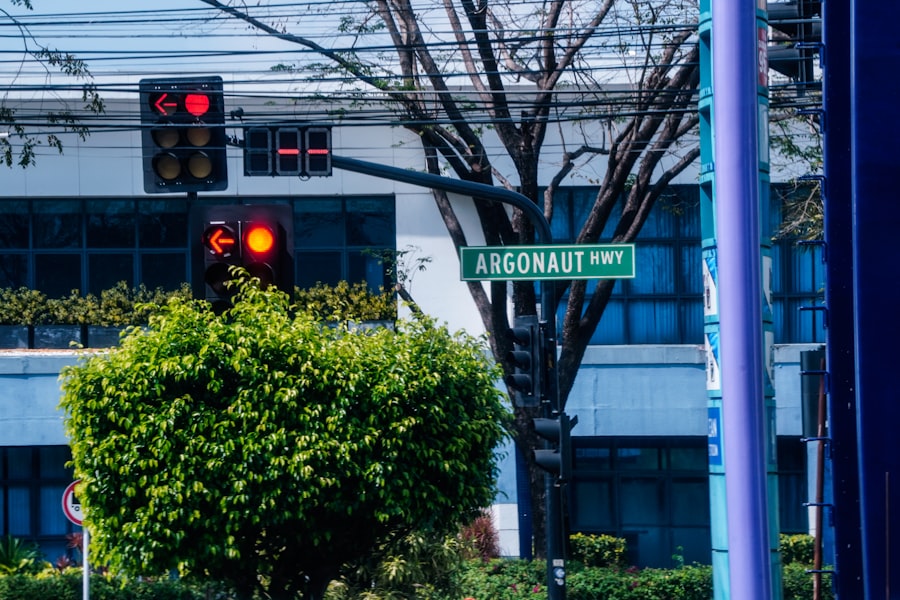
When a dedicated left-turn signal is present, it significantly reduces the complexity of the maneuver. You are given a specific period of time when you have the right of way and oncoming traffic is temporarily stopped.
Understanding Signal Phases
Familiarize yourself with how traffic signals operate. Understand when the green arrow appears, when it turns yellow, and when it disappears. Don’t rush into a turn as the arrow begins to fade; ensure you have ample space.
Avoiding the “Late Yellow” Turn
Resist the temptation to speed up to make a left turn on a fading yellow arrow or light. This is a common cause of accidents. It’s always safer to wait for the next opportunity.
Avoid Intersections with High Traffic Volume or Speed
If you have the option, steer clear of intersections known for heavy traffic, fast-moving vehicles, or complex multiple lanes of oncoming traffic. The more variables, the more potential for error.
Consider Alternative Routes
If a particular intersection feels consistently overwhelming, explore alternative routes that might involve more right turns or simpler intersections. A few extra minutes can contribute significantly to your peace of mind and safety.
Look for Intersections with Good Visibility
Intersections that are free from obstructions like tall hedges, parked cars, or large signs can offer better sightlines to oncoming traffic. This allows you to assess the situation more effectively.
As older drivers navigate the challenges of the road, understanding the nuances of safe left turns becomes increasingly important for their safety and the safety of others. A related article offers valuable insights and tips specifically tailored for senior drivers, helping them make informed decisions while driving. For more information on this topic, you can read the article on senior driving safety here.
Master the Art of Waiting
Patience is a driver’s best friend, especially when making left turns. It’s far better to wait a few extra moments than to risk a collision.
Wait Until the Road is Clear
This might seem obvious, but it bears repeating. Don’t try to squeeze into a gap that looks too small. Wait until you have a clear and uncontested path to complete your turn.
Assessing Oncoming Traffic with Confidence
Instead of guessing, take your time to observe. Watch the flow of traffic. If there’s a continuous stream of cars, it’s best to wait. Look for a natural break.
Judging Vehicle Speed Accurately
Practice estimating how long it will take an oncoming car to reach the intersection. Consider its speed. If you’re unsure, it’s better to err on the side of caution and wait longer.
Understand “Yielding” vs. “Assumed Right of Way”
When there’s no signal, you yield to oncoming traffic. You don’t have the right of way until the path is clear. Don’t assume drivers will anticipate your turn or slow down for you.
The Importance of Driver Awareness
Be aware that other drivers might be distracted or not paying close attention to your intentions. Your safety depends on your own vigilance, not on others assuming your next move.
Anticipate Potential Conflicts
Think ahead about what other vehicles might do. Are they likely to turn into your path? Are they accelerating or decelerating?
Utilize Breaks in Traffic Effectively
When you do see a break in traffic, assess if it’s truly sufficient for your turn. Consider your vehicle’s acceleration and turning radius.
Practice in Less Busy Environments
If you feel your judgment of gaps needs refinement, practice on less busy roads or during off-peak hours to build your confidence.
Adjust Your Driving Habits
There are several adjustments you can make to your driving behavior that will directly improve your safety during left turns.
Slow Down and Plan Ahead
Entering an intersection at a reduced speed gives you more time to assess the situation and react. Don’t approach the turn with momentum.
Approaching the Intersection
As you approach an intersection where you intend to turn left, begin to decelerate. This allows you to scan for traffic and identify potential hazards well in advance.
The Value of a “Creep”
Sometimes, a slight “creep” into the intersection, inching forward just enough to get a better view of oncoming traffic, can be helpful. However, only do this when it is safe and you are prepared to stop immediately.
Utilize Your Turn Signal Early and Consistently
This is a fundamental rule of the road that becomes even more critical for older drivers.
Communicating Your Intentions
A turn signal is your way of communicating your intentions to other drivers, pedestrians, and cyclists. It gives them time to react and adjust.
The “Blinded Spot” of Unsignaled Turns
Turning without a signal can lead to surprises and potentially dangerous situations for everyone involved.
Ensuring Your Signal is Visible
Make sure your turn signal is actually on and functioning properly. It’s embarrassing but important to mentally check after activating it.
Maximize Your Visibility
Being seen by others is just as important as seeing them.
Positioning Your Vehicle
When waiting for a gap in traffic, position your vehicle so that you have a clear line of sight to oncoming vehicles and so that your vehicle is visible to them. Avoid being hidden behind other larger vehicles.
Using Your Headlights
In situations of low light, fog, or rain, turn on your headlights. This makes your vehicle more conspicuous to others.
Keeping Your Windshield and Mirrors Clean
Dirt and smudges on your windshield and mirrors can significantly impede your vision, especially when trying to judge speeds and distances. Regularly clean them.
Seek Professional Guidance
If you have concerns about your driving abilities, there are resources available to help you assess and improve them.
Driver Refresher Courses
Many organizations offer driver refresher courses specifically designed for older adults. These courses can help you update your knowledge of traffic laws and brush up on safe driving techniques.
Focus on Modern Driving Challenges
These courses often address contemporary driving challenges, including new technologies in vehicles and changing traffic patterns.
Personalized Feedback
Instructors can often provide personalized feedback on your driving habits and suggest areas for improvement.
Vision and Hearing Assessments
Regularly check your vision and hearing with your doctor. Even minor impairments can have a significant impact on driving safety.
Discussing Driving with Your Doctor
Be open with your doctor about your driving. They can provide guidance on any medical conditions or medications that might affect your abilities.
Specialized Eyewear
Discuss with your eye doctor if specialized eyewear, such as anti-glare lenses, might be beneficial for night driving or reducing the impact of bright lights.
Occupational Therapy and Driving Rehabilitation
In some cases, an occupational therapist specializing in driving rehabilitation can provide a comprehensive assessment of your driving skills and recommend specific strategies or therapies to address any deficits.
Identifying Specific Deficits
These professionals can pinpoint areas where your driving might be affected, such as reaction time, visual scanning, or cognitive processing related to driving.
Tailored Intervention Programs
They can develop personalized intervention programs, which might include exercises, adaptive equipment recommendations, or modifications to your driving habits.
Consider Age-Related Health Changes
It’s essential to be honest with yourself about how age-related health changes might be affecting your driving.
Managing Chronic Health Conditions
Conditions like diabetes, heart disease, or arthritis can impact driving. Ensure these conditions are well-managed.
Medication Reviews
Regularly review your medications with your doctor or pharmacist to understand any potential side effects that could affect driving.
Adjusting to Physical Limitations
If you have arthritis, for example, consider if it impacts your ability to turn the steering wheel or operate the pedals comfortably. Adaptive equipment might be an option.
Recognizing the Signs of Cognitive Decline
While not all older drivers experience cognitive decline, it’s important to be aware of the signs and to consult a doctor if you have concerns.
Memory Lapses
If you find yourself forgetting directions or where you parked, it could be a sign of more significant issues.
Difficulty with Complex Tasks
If making left turns, navigating unfamiliar routes, or remembering multi-step instructions becomes consistently difficult, it’s worth discussing with a medical professional.
Impaired Judgment and Decision-Making
This can manifest as riskier driving behavior, such as misjudging gaps in traffic or driving too fast for conditions.
Driving is a privilege and a responsibility. By acknowledging the potential challenges associated with left turns and proactively implementing these strategies, you can continue to drive with confidence and ensure your safety, and the safety of others, on the road. Remember, your goal is not to drive as you did thirty years ago, but to drive as safely and effectively as you can today.
FAQs
What are safe left turns for older drivers?
Safe left turns for older drivers refer to the techniques and strategies that can help older drivers make left turns safely and confidently, considering their potential limitations such as decreased vision, slower reaction times, and reduced flexibility.
What are some tips for making safe left turns for older drivers?
Some tips for making safe left turns for older drivers include planning the turn in advance, using designated left-turn lanes, waiting for a safe gap in oncoming traffic, using turn signals, and avoiding sudden or risky maneuvers.
How can older drivers improve their left turn safety?
Older drivers can improve their left turn safety by staying up to date with regular vision and hearing tests, practicing defensive driving techniques, staying alert and focused while driving, and considering alternative routes or using roundabouts to avoid challenging left turns.
What are some common challenges for older drivers when making left turns?
Some common challenges for older drivers when making left turns include difficulty judging the speed and distance of oncoming vehicles, limited range of motion for checking blind spots, and potential distractions or confusion at busy intersections.
Are there specific training programs or resources available for older drivers to improve left turn safety?
Yes, there are specific training programs and resources available for older drivers to improve left turn safety, such as defensive driving courses, refresher driving classes, and online resources that provide tips and guidance for navigating challenging driving situations.