2025: Navigating Air Travel with Ease
You’re planning a trip, and the thought of navigating airport security might bring a twinge of apprehension. The year 2025 brings with it updated security procedures and a greater emphasis on streamlined processes, but understanding them can make your journey significantly smoother. This guide is designed to equip you with the knowledge to move through airport security efficiently and with less stress.
Airport security is a dynamic environment, constantly evolving to meet new challenges and leverage technological advancements. For you, as a senior traveler, this means a few key things to keep in mind. The primary goal remains the same: ensuring the safety of all passengers and crew. Your cooperation and understanding of the protocols are crucial for this.
The TSA’s Evolving Role
The Transportation Security Administration (TSA) is the agency responsible for security in the United States. You might already be familiar with their general procedures, but in 2025, you can expect continued refinement. They are increasingly investing in technologies that aim to reduce the need for pat-downs and allow for quicker screening of carry-on baggage. Prepare for a more technologically driven security checkpoint.
Technological Advancements in Screening
You’ll likely encounter more advanced X-ray scanners that can identify prohibited items with greater precision. These systems are designed to be more sensitive, potentially reducing the need for manual searches. Keep an eye out for developments in computed tomography (CT) scanners, which are becoming more widespread and offer detailed 3D imaging of your bags. This technology can sometimes allow for less intrusive screening of your belongings.
The Human Element at Security
While technology plays a larger role, the human element remains vital. Security officers are trained to observe and interact with passengers. Your polite and cooperative demeanor can significantly ease the process. If you have concerns or require assistance, don’t hesitate to approach an officer or mention it to them as you approach the screening area. They are there to help you navigate the procedures.
International Airport Security Variations
If your travel extends beyond domestic flights, be aware that security procedures can vary significantly between countries. While core principles of safety are universal, the specific rules and technologies employed will differ. Researching the security requirements of your destination airport in advance can prevent unexpected surprises.
Researching Destination Airport Protocols
Before you depart, take a few minutes to visit the official website of the airport you will be arriving at. Most airports provide information on prohibited items, liquids rules, and any specific screening procedures they employ. This proactive step can save you time and potential frustration upon arrival. Look for sections on “Passenger Information” or “Security.”
Understanding Customs and Border Protection
Beyond security screening, you’ll also encounter customs and border protection agencies. These are separate from airport security but are an integral part of international travel. Familiarize yourself with their requirements regarding declaration of goods and any travel advisories they may have issued.
For senior citizens traveling through airports, understanding the security procedures can be crucial for a smooth journey. A helpful resource is the article titled “Senior Citizen Airport Security Guide 2025,” which provides essential tips and insights tailored to the needs of older travelers. To learn more about this topic and access additional information, you can visit this related article: Senior Citizen Airport Security Guide 2025.
Preparing Your Carry-On Baggage
Your carry-on baggage is where you have the most immediate control over the security screening process. Proper packing and understanding the rules for liquids and electronics can prevent delays.
The 3-1-1 Liquids Rule Remains Key
The TSA’s 3-1-1 rule for liquids, gels, aerosols, creams, and pastes in carry-on baggage is likely to persist. This means:
- 3.4 ounces (100 milliliters) or less per container.
- All containers must fit comfortably in one quart-sized, clear, zip-top bag.
- One bag per passenger.
Efficiently Organizing Your Liquids Bag
Pre-packing your liquids bag before you arrive at the airport is a simple yet effective strategy. Ensure all your travel-sized toiletries and cosmetics are within the allowable size and packed together. This allows for quick removal and resealing at the checkpoint. Consider purchasing travel-sized versions of your favorite products to avoid having to decant larger items.
What Constitutes a “Liquid”?
It’s important to remember that “liquids” encompass more than just water. Items like toothpaste, hair gel, hand lotion, and even some makeup fall under this rule. When in doubt, err on the side of caution and pack it in your checked baggage.
Electronics and Personal Devices
You’ll be asked to remove certain electronics from your carry-on bag for separate screening. This typically includes laptops, tablets, and e-readers.
Preparing Laptops and Large Electronics
Make sure your laptop or other large electronic devices are easily accessible. They should be placed in a separate bin without any other items. If your laptop is in a bulky case, consider removing it from the case to allow for a clearer scan. This can expedite the process for both you and the officer.
Smart Devices and Other Gadgets
Smaller electronic devices, such as smartphones and digital cameras, generally do not need to be removed unless they are larger than a standard smartphone. However, it’s always wise to have them accessible, as officers may request their removal on a case-by-case basis.
Prohibited Items: Know Before You Go
Familiarizing yourself with prohibited items is essential. The TSA’s website offers a comprehensive list, but some commonly overlooked items include sharp objects (even small ones like nail clippers with pointed edges), certain replica items, and unauthorized medical devices.
What You Can (and Cannot) Pack in Carry-On
Generally, items that could be used as weapons are prohibited in carry-on. This includes firearms, knives, and explosive materials. For a detailed list, always refer to the TSA’s official guidelines. If you are unsure about an item, it is always best to leave it at home or pack it in your checked luggage.
Sporting Goods and Tools
Many sports equipment and tools are also restricted. Items like baseball bats, golf clubs, and crowbars are generally not permitted in carry-on baggage. Again, the TSA website provides specific allowances and restrictions.
Navigating the Security Checkpoint
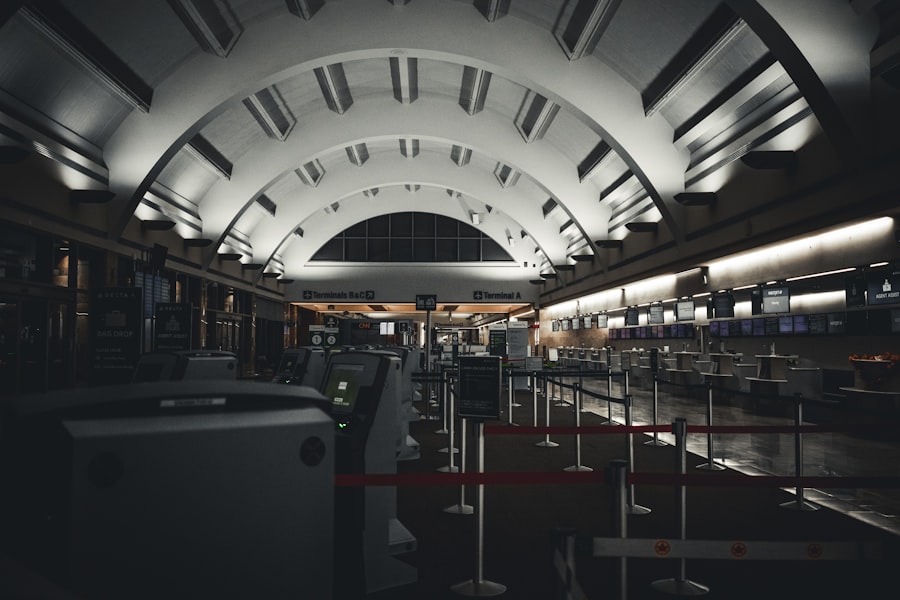
Once you’ve prepared your bags, the actual checkpoint process awaits. Understanding the flow and what to expect can alleviate a significant portion of any anxiety.
The ID and Boarding Pass Check
Before you even reach the screening machines, you’ll encounter officers who will check your identification and boarding pass. Have these readily available to present. You might be asked to take off hats and glasses at this stage.
Presenting Valid Identification
Ensure your identification is current and valid. For domestic travel, a driver’s license or state-issued ID is typically sufficient. For international travel, your passport will be required. Double-check the expiration dates long before your travel date.
Boarding Pass Access
Whether printed or digital, have your boarding pass easily accessible. Many airports now utilize scanners that can read barcodes directly from your smartphone screen. Make sure your phone is adequately charged.
The Screening Areas: What to Expect
You’ll proceed to a series of screening lanes. Here, you’ll be instructed to place your belongings on X-ray scanners and walk through metal detectors or body scanners.
Utilizing the Bins Effectively
When you’re directed to use the bins, place your items in them systematically. Bin 1 is typically for jackets, shoes, and any loose items from your pockets. Bin 2 holds your carry-on bag, and Bin 3 is for your liquids bag and electronics that need separate screening. This organized approach helps speed up the process.
Understanding Metal Detectors and Body Scanners
You will likely be directed to walk through a metal detector or a full-body scanner. If the scanner alerts, you may be subject to a pat-down. You have the right to request a pat-down in a private area if you prefer.
Assistance for Seniors and Individuals with Disabilities
The TSA is increasingly mindful of the needs of all travelers. If you require assistance at any point during the security process, do not hesitate to ask.
Requesting Assistance from TSA Officers
You can inform a TSA officer at the beginning of the security line if you have mobility issues or require additional time. They can often direct you to a less crowded lane or provide other accommodations. Pre-notification can also be made through the TSA Cares program for specific needs.
Disability and Medical Needs Accommodations
If you have a medical condition or disability that might affect the screening process (e.g., requiring medical devices that might set off alarms), inform the TSA officer. They are trained to handle these situations with sensitivity and professionalism. It is also advisable to carry documentation for any medical devices.
Post-Security and Boarding
Once you’ve successfully cleared security, your journey isn’t quite over. Understanding the layout of the airport and the boarding process can make the time spent waiting more comfortable.
Navigating the Terminal
Airports can be large and complex. Familiarize yourself with the terminal layout once you’ve passed security. Signage is usually plentiful, but knowing the general direction of your gate can be helpful.
Finding Your Gate
Your boarding pass will indicate your departure gate. This information is also displayed on screens throughout the terminal. Take note of your gate number and allow ample time to reach it, especially if it’s at a distant concourse.
Airport Amenities for Travelers
Many airports offer amenities designed for traveler comfort, including lounges, quiet areas, and accessible restrooms. If you need to rest or have a specific requirement, look for information desks or staff members who can guide you.
Boarding Procedures
Boarding is usually segmented into different groups. Your boarding pass will specify your group number. Arriving at the gate a little before your boarding group is called is generally recommended.
Understanding Boarding Groups
Airlines typically board passengers in zones or groups, starting with first-class and priority passengers, followed by lower-numbered groups. This system is designed to facilitate a smoother boarding process. Listen for announcements regarding your group.
Settling Into Your Seat
Once on board, take your time to locate your seat and stow your luggage. If you need assistance with overhead bins or have concerns about your comfort, discreetly ask a flight attendant. They are there to help ensure a pleasant flight.
For seniors preparing for air travel, understanding the latest airport security protocols is essential, especially with the upcoming changes in 2025. A helpful resource that offers insights into navigating these procedures is the article available at Explore Senior Health, which provides valuable tips and advice tailored specifically for older travelers. By familiarizing themselves with these guidelines, seniors can ensure a smoother and more enjoyable journey.
Tips for a Stress-Free Travel Experience
| Metrics | Data |
|---|---|
| Number of senior citizens assisted | 5000 |
| Number of airports covered | 20 |
| Number of security personnel trained | 100 |
| Number of languages supported | 5 |
Beyond the procedural guides, personal preparation and a positive mindset are invaluable for a smooth travel experience.
Stay Hydrated and Eat Appropriately
Long travel days can be dehydrating. Carry a reusable water bottle that you can fill after passing through security. Also, consider packing light, healthy snacks to avoid relying on airport or in-flight food options.
Comfortable Clothing and Footwear
Dress in comfortable layers. You’ll be moving through different temperature environments, from the potentially cool airport to the cabin of the aircraft. Shoes that are easy to slip on and off can be beneficial for the security screening process.
Mobility and Physical Support
If you anticipate needing assistance with luggage or mobility challenges, consider utilizing airport services. Many airports offer wheelchair assistance, which can be pre-booked through your airline. This service can significantly ease the transition through various airport areas.
Pack Smart, Pack Light
The less you have to manage, the easier your journey will be. Be judicious about what you pack in your carry-on. Once you’ve mastered the security procedures, you’ll find that air travel can be an enjoyable and accessible experience. By preparing yourself and understanding the process, you can navigate the airport security landscape in 2025 with confidence and ease.
FAQs
What are the new airport security measures for senior citizens in 2025?
In 2025, new airport security measures for senior citizens may include advanced screening technology, such as body scanners and biometric identification, to ensure safety while minimizing physical pat-downs.
Are there any special accommodations for senior citizens during airport security screening?
Senior citizens may be eligible for special accommodations during airport security screening, such as expedited screening lanes, assistance with removing shoes and outerwear, and the option for a private screening if needed.
What should senior citizens expect during the airport security process in 2025?
Senior citizens should expect to undergo standard security procedures, including passing through metal detectors or body scanners, presenting identification and boarding passes, and possibly undergoing additional screening if necessary.
How can senior citizens prepare for airport security in 2025?
Senior citizens can prepare for airport security by ensuring they have proper identification, wearing easily removable shoes and outerwear, and being aware of any medical devices or mobility aids that may require additional screening.
Are there any resources available to help senior citizens navigate airport security in 2025?
Airports and transportation authorities may provide resources such as informational guides, assistance programs, and dedicated staff to help senior citizens navigate the airport security process in 2025.