
Traditional notions of aging often conjure images of isolated individuals residing in their own homes, perhaps with periodic visits from family or caregivers, or, conversely, of institutional living in retirement homes or assisted living facilities. However, a growing movement is challenging these conventional models, offering a compelling alternative: senior co-housing. This article delves into the intricacies of senior co-housing, exploring its foundational principles, practical implementations, and the profound impact it has on the lives of older adults, shifting the paradigm from isolated aging to vibrant, interconnected community living.
Senior co-housing, while seemingly novel, draws inspiration from centuries-old communal living practices, reinterpreted for the modern era. You might imagine a village from a bygone era, where everyone knows their neighbors and lends a hand; senior co-housing aims to recreate this ethos within a contemporary framework. Its emergence is a direct response to several converging societal trends.
Addressing the Loneliness Epidemic
The pervasive issue of social isolation and loneliness among older adults is a significant public health concern. Studies consistently show a strong correlation between loneliness and adverse health outcomes, including increased risk of cognitive decline, depression, and premature mortality. Senior co-housing, by design, combats this by fostering daily, organic interactions. You are not just living near someone; you are living with them, sharing spaces and experiences.
The Desire for Autonomy and Independence
Many seniors value their independence and dread the prospect of relinquishing control over their lives. Traditional retirement communities, despite their amenities, can sometimes feel restrictive. Senior co-housing, in contrast, empowers residents with a high degree of autonomy. You are not a tenant in a sprawling complex; you are a co-owner and an active participant in shaping your living environment. This ownership fosters a sense of responsibility and belonging that is often absent in more traditional models.
An Alternative to Costly Assisted Living
The financial burden of long-term care can be staggering. Assisted living facilities and nursing homes, while providing necessary services, often come with substantial price tags. Senior co-housing, through its cooperative ownership model and shared resources, can offer a more financially sustainable path to aging in place, although the initial investment can be substantial. You are, in essence, investing in a community rather than merely renting a service.
Senior co-housing is an innovative living arrangement that fosters community and support among older adults, allowing them to maintain independence while enjoying the benefits of shared resources and companionship. For those interested in exploring this concept further, a related article can be found at Explore Senior Health, which discusses various aspects of senior living options and highlights the advantages of co-housing for seniors.
Core Principles and Architectural Design: Weaving Community into the Fabric
The success of senior co-housing hinges on a deliberate and thoughtful design. It’s not just about building houses; it’s about crafting a habitat for interaction and mutual support. Think of it as an intricately woven tapestry, where each thread represents a resident and the common spaces are the patterns that bind them together.
Resident-Driven Development
A defining characteristic of senior co-housing is its resident-driven development process. Prospective residents, often a self-selected group, are actively involved in the planning, design, and even construction phases. This collaborative approach ensures that the community reflects the collective values and preferences of its future inhabitants. You are not merely moving into a pre-designed space; you are helping to create it.
The Balance of Private and Common Spaces
Senior co-housing strikes a delicate balance between individual privacy and communal living. Each household has its own private dwelling, complete with kitchen, bathroom, and living areas. This ensures that residents maintain their personal space and independence. However, these private units are typically smaller than conventional homes, allowing for more extensive and inviting common spaces. Imagine the common house as the beating heart of the community.
The Common House: A Hub of Activity
The common house is the central pillar of any co-housing community. It typically includes a large dining area for shared meals, a spacious kitchen for communal cooking, laundry facilities, guest rooms, meeting rooms, workshops, and recreational areas such as libraries or fitness rooms. This is where spontaneous encounters flourish and planned events coalesce. You might find yourself sharing a meal with neighbors, attending a book club, or collaborating on a shared project.
Shared Outdoor Spaces: Extending the Living Area
Beyond the common house, well-designed outdoor spaces further enhance community engagement. These can include communal gardens, walking paths, seating areas, and even fire pits. These spaces provide opportunities for gardening, social gatherings, and simply enjoying nature in the company of others. Think of these outdoor areas as an extension of your living room, where conversation and camaraderie naturally unfold.
Consensus Decision-Making
Most senior co-housing communities operate on a consensus-based decision-making model. This means that all major decisions, from budgeting to community rules, require the agreement of all residents. While this process can be time-consuming, it fosters a strong sense of ownership and ensures that all voices are heard and valued. It can be a slow ship to turn, but once it does, it moves with the collective will of its crew.
The Pillars of Community: How Senior Co-Housing Fosters Connection

The architectural design and decision-making processes are merely the scaffolding upon which the true magic of senior co-housing is built: the profound sense of community. This is where the model truly distinguishes itself, offering a robust antidote to the isolation often experienced in later life.
Shared Meals: Breaking Bread Together
Shared meals are often a cornerstone of co-housing life. While the frequency varies by community, regular communal dinners are common. These meals are not just about sustenance; they are powerful opportunities for connection, conversation, and mutual support. You might take turns cooking, or a rotation of residents might prepare meals for the entire group. This shared experience often leads to deeper friendships and a stronger sense of belonging.
Mutual Support and “Neighborly” Assistance
One of the most compelling aspects of senior co-housing is the built-in system of mutual support. Residents often assist each other with daily tasks, such as errands, transportation, or even light household chores. This informal network of support can be invaluable, particularly as individuals age and their needs evolve. It’s a reciprocal relationship: you help others, and they, in turn, help you. No one is expected to navigate the challenges of aging alone.
Committees and Collaborative Work
The smooth functioning of a co-housing community relies on the active participation of its residents. Various committees are typically formed to manage different aspects of community life, such as maintenance, landscaping, social events, and finance. This collaborative work not only keeps the community running efficiently but also provides opportunities for residents to utilize their skills, contribute meaningfully, and forge stronger bonds. You are not just living in the community; you are actively building and maintaining it.
Spontaneous Social Interaction
Beyond structured activities, senior co-housing fosters a wealth of spontaneous social interactions. Walking through the common house, tending to the garden, or simply sitting on a porch can lead to impromptu conversations, shared laughter, and a profound sense of camaraderie. You are likely to encounter neighbors throughout your day, fostering a vibrant social fabric that combats loneliness and promotes well-being.
The Benefits of Senior Co-Housing: A Harvest of Well-Being
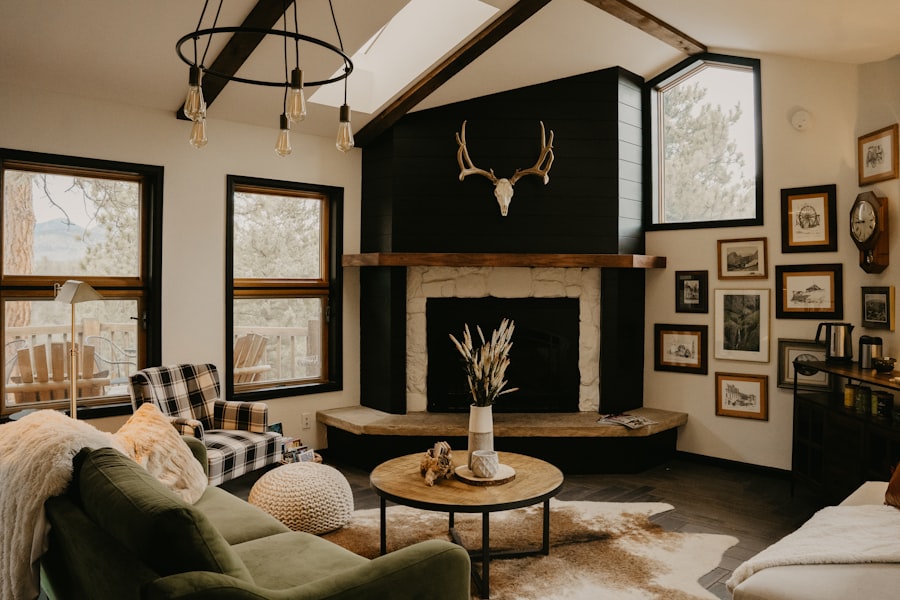
The intentional design and communal spirit of senior co-housing yield a multitude of benefits, impacting residents’ physical, mental, and emotional well-being. Consider these benefits as the fruit of a carefully cultivated garden, providing sustenance and joy.
Enhanced Social Connection and Reduced Loneliness
As highlighted earlier, senior co-housing directly addresses the loneliness epidemic. The constant opportunities for interaction, shared meals, and mutual support create a robust social network that significantly reduces feelings of isolation. This social integration is a powerful protective factor against age-related decline. You are part of a larger whole, and that sense of belonging is invaluable.
Extended Independence and “Aging in Place”
By providing a supportive environment and a network of informal care, senior co-housing enables residents to maintain their independence for longer. The availability of assistance from neighbors, coupled with the ability to adapt private spaces as needs evolve, means that many residents can “age in place” within their community rather than being forced into institutional settings. The community acts as an extended family, offering a buffer against the challenges of aging.
Improved Physical and Mental Health
Research suggests a strong link between social engagement and improved health outcomes. The active lifestyle promoted by co-housing, including communal gardening, walks with neighbors, and participation in community activities, contributes to better physical health. The reduction in loneliness and the sense of purpose derived from contributing to the community also significantly boost mental well-being, reducing the risk of depression and anxiety. You are not just physically active; your mind is also engaged and stimulated.
Financial Advantages and Resource Sharing
While the initial investment can be substantial, senior co-housing can offer long-term financial advantages. By sharing resources such as tools, vehicles, and even professional services, residents can reduce individual expenses. The collective ownership model can also be more cost-effective than traditional assisted living arrangements in the long run. Think of it as a collective investment in your future well-being and a hedge against escalating care costs.
A Sense of Purpose and Belonging
One of the most profound benefits of senior co-housing is the restoration of a sense of purpose and belonging. Residents are not merely consumers of services; they are active contributors to their community. This engagement, whether through committee work, shared meals, or simply assisting a neighbor, provides meaningful roles and a strong sense of validation. You are not just a senior; you are an essential member of a thriving community.
Senior co-housing is gaining popularity as a viable living option for older adults seeking community and support. This innovative approach not only fosters social connections but also encourages shared responsibilities among residents. For those interested in exploring the benefits of such arrangements, a related article can be found at Explore Senior Health, which offers insights into how co-housing can enhance the quality of life for seniors. By creating a collaborative environment, senior co-housing can significantly improve emotional well-being and provide a sense of belonging.
Challenges and Considerations: Navigating the Landscape
| Metric | Description | Typical Range/Value | Source/Notes |
|---|---|---|---|
| Average Age of Residents | Mean age of individuals living in senior co-housing communities | 60-75 years | Varies by community; often retirees or near-retirement age |
| Community Size | Number of households or units within a senior co-housing community | 10-30 households | Designed to balance social interaction and privacy |
| Shared Facilities | Common spaces available for residents | Community kitchen, garden, lounge, workshop | Encourages socialization and shared activities |
| Resident Participation | Level of involvement in community decision-making and activities | High (regular meetings and shared responsibilities) | Core principle of co-housing model |
| Cost of Entry | Initial investment or buy-in for residents | Varies widely by location and community size | Often lower than traditional senior living facilities |
| Average Monthly Expenses | Ongoing costs including maintenance, utilities, and shared services | Moderate, often shared among residents | Depends on community amenities and services |
| Health and Wellness Programs | Availability of organized activities promoting health | Common in many communities | Includes exercise classes, social events, and wellness workshops |
| Social Interaction Frequency | How often residents engage in group activities or communal meals | Several times per week | Key to reducing isolation among seniors |
| Accessibility Features | Design elements to accommodate mobility and sensory needs | Universal design, ramps, grab bars | Essential for aging in place |
| Average Length of Residency | Typical duration residents stay in the community | 5-10 years or more | Reflects satisfaction and suitability of the community |
While the advantages of senior co-housing are compelling, it is crucial to acknowledge the challenges and considerations that prospective residents and developing communities must navigate. No path is without its bumps, and understanding these can help in mitigating them.
The Development Process: A Marathon, Not a Sprint
The process of developing a senior co-housing community, from initial concept to move-in, can be lengthy and complex, often taking several years. It requires significant commitment, patience, and financial investment from prospective residents. Navigating zoning regulations, securing financing, and managing construction can be daunting. You will need to be prepared for the long haul, as building a community from the ground up requires persistent effort.
Conflict Resolution and Group Dynamics
Living in close proximity with others, particularly in a consensus-driven environment, inevitably leads to disagreements. Effective conflict resolution mechanisms and a commitment to open communication are paramount for the long-term success of the community. Residents must be willing to compromise, listen actively, and respect diverse perspectives. Think of it as a constant dance of negotiation and understanding, where harmony is the prize.
Financial Investment and Accessibility
While senior co-housing can be more affordable in the long run, the initial financial outlay for purchasing a unit can be substantial, potentially excluding individuals with limited financial resources. Exploring various ownership models and affordability initiatives is crucial to ensure that senior co-housing becomes a more accessible option for a broader range of older adults. The gates should be open to as many as possible, not just a select few.
Personalities and Compatibility
The success of any intentional community hinges on the compatibility and shared values of its residents. While diversity is often embraced, a core alignment on fundamental principles and a willingness to participate actively are essential. Prospective residents should carefully consider whether the co-housing model aligns with their individual preferences and personalities. It’s like choosing your hiking partners for a long journey; you want to ensure you can walk side by side.
The Evolution of Needs Over Time
As residents age, their needs may evolve, requiring access to additional support services. While co-housing fosters mutual aid, there may be a point where professional care is required. Communities must consider how they will address these evolving needs, whether through partnerships with local service providers or by adapting their own communal infrastructure. The community matrix must be flexible enough to bend without breaking as its members grow older.
The Future of Aging: A Collaborative Vision
Senior co-housing represents more than just a housing model; it embodies a transformative vision for aging. It challenges the prevailing narratives of isolation and decline, offering instead a tapestry woven with threads of connection, purpose, and mutual support. As societies grapple with the challenges of an aging population, senior co-housing offers a compelling blueprint for creating vibrant, resilient, and life-affirming communities for older adults. You are not just living a life; you are actively creating it, alongside your neighbors, in a collective embrace of the senior years. This is not just a building; it is a living, breathing testament to the power of community.
FAQs
What is senior co-housing?
Senior co-housing is a type of intentional community designed specifically for older adults. It typically involves private living spaces combined with shared common areas, where residents actively participate in the planning, design, and management of their community to promote social interaction and mutual support.
How does senior co-housing differ from traditional retirement communities?
Unlike traditional retirement communities, senior co-housing emphasizes resident involvement in decision-making and community governance. It fosters a collaborative environment where neighbors know and support each other, rather than just providing services or amenities managed by an external organization.
What are the benefits of living in a senior co-housing community?
Benefits include increased social connections, reduced feelings of isolation, shared resources and responsibilities, enhanced safety, and opportunities for active aging. Residents often experience improved mental and physical well-being due to the supportive and engaging community environment.
Are senior co-housing communities affordable?
Affordability varies depending on location, design, and amenities. Generally, co-housing can be more cost-effective than some assisted living options because residents share common spaces and resources, reducing individual expenses. However, initial buy-in or construction costs may be significant.
How can someone join or start a senior co-housing community?
To join, individuals typically need to find an existing community with available units or membership openings. Starting a community involves a group of interested seniors collaborating on planning, financing, designing, and building the community, often with the help of co-housing consultants or organizations specializing in intentional communities.