
You’re likely seeking ways to reclaim a sense of vigor, to push back against the gradual erosion of energy that can accompany aging. The good news is that physical activity, when approached strategically, can be a formidable ally in this pursuit. This article outlines five fundamental types of exercises that, when integrated into your routine, can serve as keystones in building a more dynamic and vital senior life, acting as fuel for your internal engine.
You might find that as the years accumulate, a general feeling of lethargy can become a familiar companion. This is not an inevitability, but often a consequence of reduced physical activity, leading to a deconditioning of the body’s systems. Think of your body as a finely tuned instrument; without regular play, its resonance diminishes. Exercise, in its various forms, is the musician that keeps those strings vibrating with life.
This exploration will focus on exercises that are accessible, adaptable, and demonstrably beneficial for healthy aging. The aim is not to transform you into an elite athlete overnight, but to empower you with knowledge and practical approaches to enhance your physical capabilities, thereby lifting your overall vitality. You’ll discover that these exercises are not mere tasks, but investments in your present and future well-being, each rep and stretch a deposit into your energy reserve.
Cardiovascular exercise, often referred to as aerobic exercise, is the bedrock upon which a robust energy system is built. Its primary function is to strengthen your heart and lungs, the twin engines that power your entire being. By engaging in activities that elevate your heart rate and sustain it for a period, you are effectively training these vital organs to become more efficient. This efficiency translates directly into a greater capacity to perform daily tasks with less fatigue.
Why is Cardiovascular Health Crucial for Senior Vitality?
Your circulatory system is like a vast network of highways, transporting oxygen and nutrients to every cell in your body and removing waste products. As you age, these highways can become less clear, their throughput reduced. Cardiovascular exercise acts as a powerful cleaning crew and a road resurfacing project, ensuring these essential deliveries are made promptly and efficiently. A stronger heart, pumping blood with greater force and rhythm, and lungs that can take in more oxygen with each breath, are the fundamental components of enduring energy. Without this robust foundation, other efforts to boost vitality will have a less pronounced effect, much like trying to build a skyscraper on unsteady ground.
Types of Accessible Cardiovascular Activities
You don’t need to run marathons or engage in high-impact sports to reap the benefits of cardiovascular training. In fact, the most effective exercises are often the most accessible and gentle.
Brisk Walking: The Everyday Powerhouse
Walking is perhaps the most universally accessible form of cardiovascular exercise. It requires no special equipment beyond comfortable footwear and can be performed in a variety of environments. The key to making walking an effective energy booster lies in its intensity and duration.
- The Mechanics of Benefit: When you walk at a brisk pace – meaning your breathing becomes noticeably deeper and you can speak in short sentences but not sing – you are elevating your heart rate into the target aerobic zone. This sustained elevation encourages your heart to pump more blood per beat and improves its overall strength. Furthermore, each inhalation during a brisk walk increases oxygen uptake, which is then delivered to your muscles, providing the fuel they need to function optimally. This increased oxygen supply to the extremities can significantly reduce feelings of fatigue and sluggishness.
- Progression and Adaptation: For beginners, starting with short walks of 10-15 minutes a few times a week is advisable. As your stamina improves, gradually increase the duration and frequency, aiming for at least 150 minutes of moderate-intensity aerobic activity per week, as recommended by health organizations. You can also incorporate inclines into your walks, such as gentle hills, to further challenge your cardiovascular system without increasing impact. Varying your routes can also help maintain interest and introduce new sensory stimuli, making the activity more engaging. Consider transforming your walks into social outings; walking with a friend can provide motivation and a pleasant distraction, making the exercise feel less like a chore and more like a shared experience, further fueling your mental and physical well-being.
Cycling: A Low-Impact Revolution
Cycling offers a low-impact alternative to walking, making it an excellent option for individuals who experience joint discomfort. Whether performed outdoors or on a stationary bike, cycling provides a comprehensive cardiovascular workout.
- Lowering the Strain on Joints: Unlike activities that involve repetitive pounding on the joints, cycling offers a smooth, continuous motion. The weight is distributed across the saddle and handlebars, significantly reducing stress on your knees, hips, and ankles. This makes it a sustainable choice for long-term engagement, allowing you to continue building cardiovascular strength without exacerbating existing joint issues.
- Adjusting Resistance for Intensity: Stationary bikes provide the advantage of controlled environments and adjustable resistance. By increasing the resistance, you can simulate uphill climbs and increase the intensity of your workout, effectively mimicking the demands of outdoor cycling or strenuous walking. This allows for precise control over your heart rate and the intensity of your cardiovascular stimulus. For outdoor cycling, choosing varied terrain can provide a similar challenge. Remember to maintain proper posture to maximize efficiency and minimize strain on your back and wrists. This exercise is akin to tuning an engine; adjust the settings to achieve optimal performance without overexerting the machinery.
For seniors looking to enhance their energy levels, incorporating specific exercises into their daily routine can make a significant difference. A related article that provides valuable insights and tips on this topic can be found at Explore Senior Health. This resource offers practical advice tailored to the needs of older adults, ensuring they can engage in safe and effective physical activities to boost their vitality.
Strength Training: The Sculptor of Sustainable Energy
While cardiovascular exercise fuels your body’s engines, strength training sculpts the machinery itself, making it more efficient and resilient. Building and maintaining muscle mass is paramount for seniors, as muscle loss (sarcopenia) is a natural part of aging and can significantly contribute to reduced mobility and energy levels.
The Muscle-Energy Connection
Muscles are not simply passive structures; they are metabolically active tissues. They play a crucial role in regulating blood sugar levels, burning calories even at rest, and supporting your skeletal structure. When you strengthen your muscles, you are essentially increasing your body’s capacity to perform work, both physically and metabolically.
- Metabolic Rate Boost: Muscle tissue is more metabolically active than fat tissue. This means that a greater proportion of calories are burned by muscles at rest compared to fat. By increasing your muscle mass through strength training, you elevate your resting metabolic rate, meaning your body burns more calories throughout the day, even when you’re not actively exercising. This can lead to improved energy levels and better weight management, a potent combination for overall vitality.
- Improved Functional Capacity: Stronger muscles enable you to perform everyday activities with greater ease. Carrying groceries, climbing stairs, getting up from a chair – these tasks become less demanding when your muscles are up to the challenge. This increased functional capacity directly translates into a feeling of greater independence and vitality, as you are less likely to feel drained by routine activities. Think of your muscles as the support beams of your personal infrastructure; the stronger they are, the sturdier and more reliable the entire structure.
Foundational Strength Exercises
You don’t need a gym or heavy weights to begin a beneficial strength training program. Many effective exercises can be performed using your own body weight or readily available household items.
Squats: The Full-Body Powerhouse
The squat is a compound movement that engages multiple large muscle groups, including the quadriceps, hamstrings, glutes, and core. It’s a fundamental exercise for building lower body strength and improving functional mobility.
- Proper Form is Paramount: Begin by standing with your feet shoulder-width apart, toes pointing slightly outward. Lower your hips as if you’re sitting back into a chair, keeping your chest up and your back straight. Ensure your knees track over your toes and do not extend past them. Descend until your thighs are parallel to the floor, or as low as is comfortable and safe for you. Push through your heels to return to the starting position.
- Modifications for Accessibility: If a full squat is too challenging or causes discomfort, you can use a sturdy chair for support. Stand in front of the chair and lower yourself until your glutes lightly touch the seat, then stand back up. This modification provides feedback and support, allowing you to build the necessary strength and balance for a full squat. Gradually reduce your reliance on the chair as you gain confidence and strength. The squat is like a foundational building block; get it right, and you create a stable platform for further development.
Push-ups: Arm and Chest Vitality
Push-ups are an excellent exercise for strengthening the chest, shoulders, triceps, and core. While they can be challenging, modifications make them accessible to most individuals.
- The Wall Push-up as a Starting Point: For beginners, performing push-ups against a wall is a safe and effective way to build upper body strength. Stand facing a wall, about arm’s length away. Place your hands flat on the wall, slightly wider than shoulder-width apart, at chest height. Lean into the wall, bending your elbows, and then push yourself back to the starting position.
- Progressing to Knee or Full Push-ups: As you get stronger, you can progress to kneeling push-ups, performed on your knees on the floor. Maintain a straight line from your head to your knees. Eventually, you can progress to full push-ups on your toes. The key is to maintain proper form and control throughout the movement, ensuring your core is engaged to support your spine. This exercise is like a calibration for your upper body’s power output.
Flexibility and Balance: The Pillars of Agility

As you age, flexibility and balance can diminish, increasing your risk of falls and contributing to that overall feeling of stiffness and reduced mobility. Incorporating exercises that specifically target these areas can significantly enhance your agility and independence.
The Intertwined Nature of Flexibility and Balance
Flexibility refers to the range of motion in your joints, while balance is your ability to maintain your body’s position, whether stationary or in motion. These two aspects are intrinsically linked. Limited flexibility can restrict your ability to make necessary adjustments to maintain balance, while poor balance can make you hesitant to move freely, further reducing flexibility.
- Preventing Falls: The most immediate and significant benefit of improved balance is a reduced risk of falls. Falls can have devastating consequences for seniors, leading to injuries, loss of independence, and a decline in confidence. Exercises that challenge and improve your balance can create a more robust system for preventing these incidents.
- Enhancing Daily Movements: Beyond fall prevention, improved flexibility and balance make everyday movements smoother and more efficient. Reaching for items on a high shelf, bending down to tie your shoes, or simply walking on uneven terrain all become easier and less taxing when your body is supple and your balance is secure. This contributes to a feeling of effortless movement, a hallmark of renewed vitality. Consider flexibility and balance as the oil and fine-tuning for your body’s intricate mechanics; they ensure smooth operation and prevent unexpected jams.
Exercises for Suppleness and Stability
You can integrate flexibility and balance exercises into your daily routine with minimal time commitment.
Yoga and Tai Chi: Harmonizing Movement and Mind
Yoga and Tai Chi are ancient practices that, while distinct, share a common emphasis on controlled movements, breathwork, and mindfulness. They are exceptionally well-suited for improving both flexibility and balance in seniors.
- Yoga’s Spectrum of Poses: Yoga offers a wide range of poses (asanas) that can be modified to suit different levels of fitness. Poses like the Mountain Pose (Tadasana) for grounding and balance, the Warrior poses for strength and stability, and gentle stretches like the Cat-Cow pose for spinal mobility, can all contribute to increased flexibility and improved balance. Many beginner and senior-specific yoga classes are available, focusing on safe and effective techniques.
- Tai Chi’s Flowing Movements: Tai Chi is characterized by slow, deliberate, and flowing movements that mimic a gentle dance. This rhythmic practice enhances proprioception (your body’s awareness of its position in space), strengthens the lower body, and significantly improves balance. The low-impact nature of Tai Chi makes it ideal for individuals with joint concerns. The meditative aspect of these practices also contributes to reduced stress and improved mental clarity, further bolstering overall vitality. These disciplines are like gentle orchestral conductors, orchestrating your body’s movements with grace and precision.
Simple Balance Drills: Building Confidence
Even without dedicated classes, you can incorporate simple balance drills into your daily routine.
- The Standing on One Leg Exercise: Begin by standing near a stable surface, such as a counter or wall, for support. Lift one foot slightly off the ground and try to hold the position for 10-30 seconds. Focus on keeping your core engaged. As you become more stable, you can try holding the pose for longer or with less reliance on your supporting hand.
- Heel-to-Toe Walk: Walk in a straight line, placing the heel of your front foot directly in front of the toes of your back foot, as if walking on a tightrope. This exercise challenges your balance and coordination. Keep your gaze forward and maintain a steady pace. These small, deliberate challenges are like building small dams in a river; they create points of stability that, when numerous, can redirect the entire flow of energy.
Mindful Movement and Core Strength: The Inner Core of Vitality
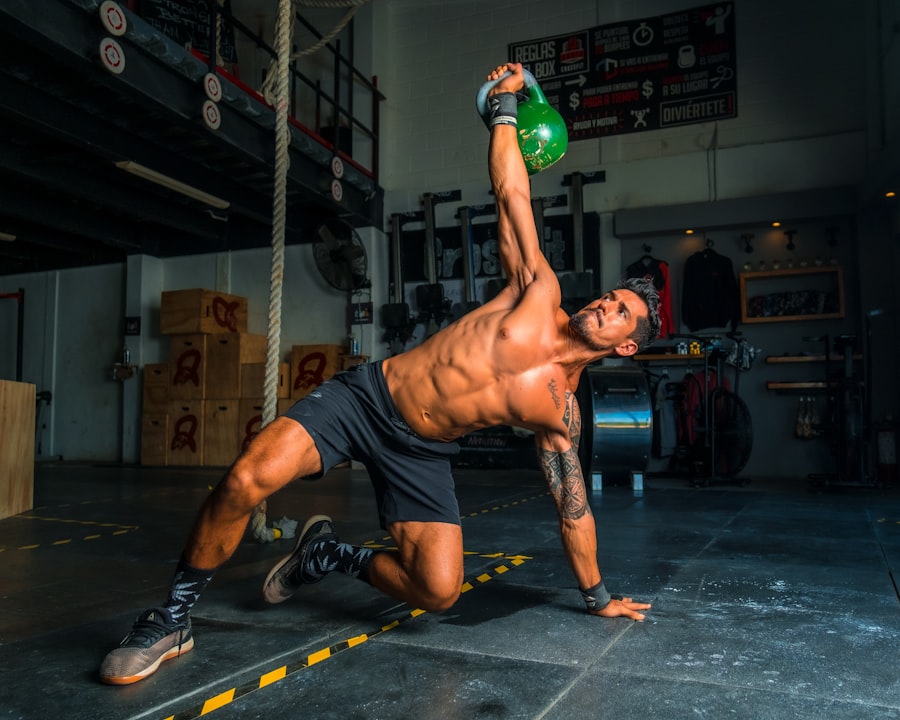
A strong core is not just about having a toned abdomen; it’s about the deep muscles that stabilize your spine and pelvis. These muscles are the unsung heroes of movement, providing the foundation for almost every action you perform. When your core is weak, your body has to compensate, leading to increased strain on other muscles and joints, and a general feeling of being less capable.
The Central Role of a Strong Core
Your core muscles act as a natural corset, providing support and stability to your trunk. A strong core contributes to better posture, reduces the risk of back pain, and improves the efficiency of your movements, all of which are critical for maintaining energy and vitality.
- Efficient Movement and Energy Conservation: When your core is strong, your limbs can move more freely and efficiently. Instead of relying on inefficient compensatory movements, your body can generate power from its center. This optimized movement conserves energy, allowing you to perform tasks for longer periods without feeling depleted. Think of your core as the central hub of an electrical grid; a stable and efficient hub ensures power is distributed effectively throughout the system.
- Posture and Reduced Strain: Good posture is crucial for both physical and mental well-being. A strong core helps maintain an upright posture, preventing slouching and the associated strain on your back and neck. Improved posture can enhance breathing capacity and contribute to a more confident and energetic demeanor.
Exercises for Core Engagement
Incorporating exercises that specifically target and strengthen your core muscles is essential for building sustainable vitality.
Planks: The Foundational Core Builder
The plank is a highly effective isometric exercise that engages multiple core muscles simultaneously, including the rectus abdominis, obliques, and transverse abdominis, as well as supporting muscles in your shoulders and back.
- The Forearm Plank Technique: Begin by lying face down on the floor. Prop yourself up on your forearms, with your elbows directly beneath your shoulders and your hands clasped or flat on the floor. Your body should form a straight line from your head to your heels. Engage your abdominal muscles, drawing your belly button towards your spine, and avoid letting your hips sag or rise too high.
- Modifications for Beginners: If holding a plank on your forearms is too challenging, you can perform it on your knees. Ensure your body still forms a straight line from your head to your knees. Another modification is to perform an incline plank against a wall or sturdy counter. The key is to maintain tension in your core and hold the position for as long as you can with good form, gradually increasing the duration as you get stronger. This exercise is like reinforcing the central load-bearing walls of your internal structure.
Bird-Dog: Core Stability and Spine Health
The bird-dog exercise is a simple yet powerful movement that enhances core stability, improves balance, and promotes spinal health. It involves extending opposite arm and leg while maintaining a stable core and neutral spine.
- Controlled Execution: Start on your hands and knees, with your wrists aligned under your shoulders and your knees under your hips. Ensure your spine is in a neutral position. Slowly extend your right arm straight forward and your left leg straight back, keeping your hips level and your core engaged. Avoid arching your back or letting your hips tilt. Hold for a moment, then slowly return to the starting position. Repeat on the opposite side.
- Focus on Stability, Not Speed: The effectiveness of the bird-dog lies in its controlled execution. Focus on maintaining a stable torso and preventing any rocking or swaying. This exercise trains your core to stabilize your spine during dynamic movements, which is crucial for preventing injury and conserving energy. This movement is akin to learning to balance a tray of delicate glasses; precise control is key to avoiding spills.
For seniors looking to enhance their vitality, incorporating specific exercises can be incredibly beneficial. Engaging in regular physical activity not only boosts energy levels but also improves overall well-being. To explore more about this topic, you can check out an insightful article that discusses various strategies and exercises tailored for older adults. This resource offers practical tips that can help seniors stay active and energized throughout the day. If you’re interested in learning more, visit Explore Senior Health for additional information.
Active Recovery and Mobility: The Refueling and Maintenance Crew
| Exercise Type | Duration | Frequency | Energy Boost Level | Additional Benefits |
|---|---|---|---|---|
| Walking | 30 minutes | 5 times per week | High | Improves cardiovascular health, mood enhancement |
| Chair Yoga | 20 minutes | 3 times per week | Moderate | Increases flexibility, reduces stress |
| Strength Training (light weights) | 30 minutes | 2-3 times per week | High | Builds muscle mass, improves metabolism |
| Tai Chi | 30 minutes | 3 times per week | Moderate | Enhances balance, reduces anxiety |
| Stretching | 15 minutes | Daily | Low to Moderate | Improves mobility, reduces muscle stiffness |
You’ve engaged in cardiovascular exercise, built strength, and improved your flexibility and balance. Now, it’s time to consider the crucial, yet often overlooked, components of active recovery and mobility. These elements are not about pushing your limits but about nurturing your body, allowing it to adapt and prepare for future exertion, and maintaining that all-important sense of ease in movement.
The Importance of Listening to Your Body
Active recovery refers to light physical activity performed on days when you are not doing more intense workouts. Mobility exercises focus on improving the range of motion in your joints and the suppleness of your muscles. Together, they form the essential maintenance and refueling crew for your energetic vessel.
- Muscle Repair and Adaptation: Intense exercise creates microscopic tears in muscle fibers. Active recovery, such as light stretching or a gentle walk, helps to increase blood flow to these muscles, facilitating the repair process and promoting adaptation. This means your muscles become stronger and more resilient with each cycle of exertion and recovery. Without this crucial downtime, your body’s systems can become fatigued and resistant to further improvement.
- Preventing Stiffness and Injury: Regular mobility work helps to maintain the natural range of motion in your joints and prevent muscles from becoming tight and inflexible. This not only contributes to a greater sense of freedom in your movements but also significantly reduces the risk of injury. When your body moves through its full, pain-free range, it is less likely to encounter strain or become vulnerable to sudden movements. Think of your joints as hinges; regular lubrication and movement prevent them from seizing up.
Integrating Active Recovery and Mobility
You can easily weave these practices into your weekly routine.
Gentle Stretching: Releasing Tension and Enhancing Range
Stretching is a cornerstone of both active recovery and mobility. It helps to alleviate muscle soreness, improve flexibility, and promote relaxation.
- Static vs. Dynamic Stretching: Static stretching involves holding a stretch for a sustained period (typically 15-30 seconds) and is often best performed after a workout when muscles are warm. Dynamic stretching, which involves moving stretches through their range of motion, is more suitable as a warm-up. For seniors, a balanced approach incorporating both is beneficial.
- Key Stretches for Overall Vitality: Focus on stretching major muscle groups, including the hamstrings, quadriceps, calves, chest, shoulders, and back. Examples include the hamstring stretch (sitting or standing), quad stretch (standing, holding onto a support), calf stretch, and gentle torso twists. Always stretch to the point of mild tension, not pain. These stretches are like a gentle oiling of your body’s machinery, ensuring smooth operation and preventing creaks and groans.
Foam Rolling: Deep Tissue Release
Foam rolling, also known as self-myofascial release, involves using a cylindrical foam roller to apply pressure to your muscles and connective tissues. This can help to release muscle knots, improve blood flow, and enhance flexibility.
- Targeting Key Areas: Position yourself on the floor with the foam roller beneath the muscle group you wish to target. Use your body weight to gently roll back and forth over the area, pausing on any tender spots for 20-30 seconds. Common areas to focus on include the IT band, hamstrings, quadriceps, calves, and upper back.
- A Tool for Deeper Recovery: Foam rolling can be an effective tool for addressing muscle tightness and soreness that may not be fully resolved by stretching alone. It can help to “unstick” fascia, the connective tissue that surrounds your muscles, allowing for greater freedom of movement and aiding in the recovery process. This practice is like a deep tissue massage, working out the kinks and knots that can impede your body’s full potential.
By understanding and integrating these five categories of exercise – cardiovascular, strength training, flexibility and balance, mindful movement and core strength, and active recovery and mobility – you are equipping yourself with a comprehensive toolkit for boosting your senior vitality. Each element plays a distinct yet interconnected role in revitalizing your body and mind. Consistency is your most potent ingredient, and seeking professional guidance from a healthcare provider or certified fitness trainer can ensure your program is tailored to your individual needs and abilities. The journey to renewed energy is not about monumental leaps, but about consistent, mindful steps forward.
FAQs
What types of exercises are best for boosting energy in seniors?
Low-impact aerobic exercises such as walking, swimming, and cycling are excellent for increasing energy levels in seniors. Strength training, balance exercises, and flexibility routines like yoga or tai chi also contribute to overall vitality and stamina.
How often should seniors exercise to see an energy boost?
Seniors are generally encouraged to engage in at least 150 minutes of moderate-intensity aerobic exercise per week, spread over most days. Incorporating strength and balance exercises two to three times weekly can further enhance energy and physical function.
Can exercise help reduce fatigue in seniors with chronic conditions?
Yes, regular physical activity can help reduce fatigue and improve energy levels in seniors with chronic conditions such as arthritis, diabetes, or heart disease. It is important to consult a healthcare provider before starting any new exercise program.
Are there any precautions seniors should take when exercising to boost energy?
Seniors should start slowly and gradually increase the intensity and duration of exercise. It is advisable to warm up before and cool down after workouts, stay hydrated, and wear appropriate footwear. Consulting a healthcare professional before beginning an exercise regimen is recommended, especially for those with existing health issues.
How does exercise improve energy levels in seniors?
Exercise improves cardiovascular health, muscle strength, and endurance, which helps reduce feelings of fatigue. It also enhances sleep quality, boosts mood through the release of endorphins, and increases overall physical and mental vitality in seniors.