
When you’re facing a long distance walk through an airport, especially after a certain age, it can feel less like a journey and more like an endurance test. The vastness of modern terminals, coupled with the pressure of catching a connecting flight or simply reaching your gate, demands preparation. You might be a seasoned traveler, or perhaps a beginner navigating the complexities of air travel. Regardless, approaching these extended walks with a strategic mindset can significantly improve your experience, reduce fatigue, and ensure you arrive at your destination feeling more composed. This guide offers practical, senior-friendly advice focused on making those long airport strolls manageable.
This isn’t about suddenly becoming an athlete; it’s about smart preparation. A little forethought before you even leave home can make a world of difference when you’re miles from your gate within the confines of the airport. Consider this your pre-walk strategy session.
Hydration Habits Start at Home
You know how important staying hydrated is for your overall well-being, and this is doubly true when you’re anticipating extended periods of walking. Begin your hydration regimen well before your travel day.
The Day Before
The day prior to your flight, you should consciously increase your fluid intake. Aim for water, herbal teas, or diluted fruit juices. Avoid excessive amounts of diuretics like caffeine and alcohol, which can lead to dehydration. This proactive approach ensures your body is starting from a well-hydrated baseline.
On Travel Day
Continue to sip water regularly throughout the morning. Even before you reach the airport, keep a water bottle handy. This prevents you from experiencing thirst-induced discomfort early in your journey.
Nutrition for Sustained Energy
What you eat impacts your energy levels. You want sustained energy, not a sugar crash that will leave you feeling drained.
Balanced Meals
Opt for balanced meals that include complex carbohydrates, lean protein, and healthy fats. Think whole grains, chicken or fish, and a serving of vegetables. These foods release energy gradually, providing you with the stamina needed for prolonged walking.
Avoid Heavy or Greasy Foods
Steer clear of overly heavy, greasy, or sugary foods. These are difficult to digest and can make you feel sluggish and uncomfortable, which is the opposite of what you need when facing long distances.
Familiarize Yourself with Your Route
Knowing what to expect can alleviate much of the anxiety associated with navigating a large airport.
Pre-Flight Research
Before your travel day, access your airline’s website or the airport’s official site. Many airports provide detailed maps of their terminals. Identify the location of your gate, restrooms, and any potential rest stops or lounges. Understanding the general layout can demystify the journey.
Consider Mobile Apps
Many airports and airlines offer mobile applications that can provide real-time updates on gate information, terminal maps, and even navigation assistance. Downloading and familiarizing yourself with these apps can be a valuable tool.
Walking long distances in airports can be particularly challenging for seniors, who may face mobility issues or fatigue during their travels. To gain insights into how seniors can navigate these expansive spaces more comfortably, you might find the article on senior health and travel tips helpful. For more information, you can read the article here: Explore Senior Health. This resource provides valuable advice on maintaining energy and safety while traveling, ensuring a more enjoyable airport experience.
Strategic Packing for Comfort
Your carry-on bag is more than just a place to store essentials; it’s your mobile command center for comfort and convenience during your airport trek. Think about what you’ll need within easy reach.
Footwear: Your Most Important Decision
This is arguably the most critical element for comfortable long-distance walking. The wrong shoes can turn an airport walk into a painful ordeal.
Supportive and Broken-In Shoes
Prioritize comfort above all else. Choose shoes that are well-cushioned, offer good arch support, and have ample room in the toe box. Importantly, ensure your chosen footwear is thoroughly broken-in. New shoes, no matter how promising, can cause blisters and discomfort on an extended walk.
Avoid Heels or New Footwear
Strictly avoid high heels, unsupportive flats, or any shoes you haven’t worn extensively. The risk of blisters, ankle strain, or general foot fatigue is simply too high.
Easy Access to Essentials
Think about what you’ll need during your walk and arrange your bag for quick retrieval.
Medications
If you take any medications, ensure they are easily accessible. You don’t want to be fumbling through your bag for essential prescriptions at a critical moment. Keep them in a designated, external pocket.
Snacks and Water Bottle
Having a non-perishable snack and your refilled water bottle within easy reach can prevent you from experiencing energy dips or a desperate search for concessions.
Entertainment
A book, tablet, or headphones can make the time pass more quickly. If you plan to use an e-reader or tablet, ensure it’s charged and easily accessible.
Navigating the Terminal with Ease

Once you’re inside the airport, how you move and interact with your surroundings can make a significant difference in your energy levels and overall comfort.
Utilizing Airport Amenities
Airports are designed with traveler convenience in mind, and several amenities are specifically helpful for those traversing long distances.
Moving Walkways and Escalators
These are your allies. Don’t hesitate to use them. Moving walkways can significantly reduce the effort required to cover large distances, and escalators, when available, offer a break from continuous walking. Position yourself at the front of the moving walkway if you need to disembark quickly.
Baggage Carts
If you have heavier luggage, consider using a baggage cart. This simple tool can prevent you from straining your back and shoulders, allowing you to focus on walking comfortably. Most major airports have them available for rent.
Pacing Yourself for Stamina
A common mistake is to rush, which leads to rapid fatigue. A more deliberate pace is often more effective.
Find Your Rhythm
Walk at a comfortable, consistent pace. This is not a race. Aim for a steady rhythm that you can maintain without feeling winded. Observe others if you’re unsure, but prioritize your own comfort.
Periodic Breaks are Key
Look for opportunities to pause. This doesn’t necessarily mean finding a seat. Even a brief stop at a less crowded area to stretch your legs or simply adjust your posture can be beneficial.
Seeking Assistance When Needed
Remember, airports are staffed to help. You should never feel obligated to push yourself beyond your limits.
Airport Staff and Volunteers
Don’t hesitate to approach airport staff, airline representatives, or any uniformed volunteers. They are there to assist passengers, and can often provide directions, information, or even arrange for mobility assistance if necessary.
Mobility Assistance Services
Most airlines offer wheelchair assistance upon request. If you anticipate difficulty with long walks or have mobility concerns, arrange this service in advance during your booking. This ensures a dedicated assistant will be available to help you navigate the airport.
Mastering the Gate Approach
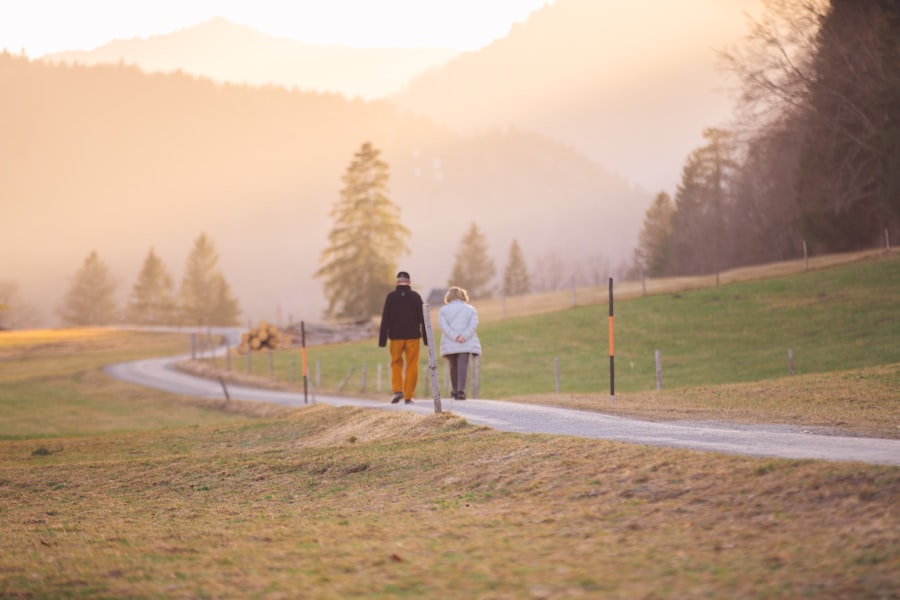
The final stretch can sometimes feel like the longest. Approaching your gate with intention can help you arrive calm and collected.
The Last Mile: Focused Navigation
You’ve come this far, and the end is in sight. Your focus now is on reaching your gate efficiently and without unnecessary stress.
Follow Signage Diligently
Airport signage is designed to guide you. Pay attention to directional signs, especially those indicating departure gates. Look for the concourse or terminal number that corresponds to your flight.
Anticipate Crowds
Gates can become very crowded, particularly around departure times. Factor this in and try not to arrive at the very last minute. If the boarding area is packed, identify a slightly less congested spot to stand or sit briefly if seating is available.
Managing Your Energy Reserves
You’ve been walking for a while, and your energy reserves might be depleted. Small actions can help you conserve what’s left.
Conserve Upright Posture
Maintaining good posture while walking can reduce strain on your back and legs. Stand tall, engage your core slightly, and keep your shoulders relaxed.
Minimize Unnecessary Movement
Once you’re within sight of your gate, try to minimize unnecessary backtracking or wandering. Stick to the most direct path. If you need to use the restroom, try to do so at a point where it won’t require a significant detour.
Arrival and Deplaning Considerations
Reaching the gate is a milestone, but the process isn’t entirely over.
Pre-Boarding Rest
If there’s an opportunity, find a seat near your gate and rest for a few minutes before boarding begins. This allows your legs to recover.
Boarding Strategy
Consider your boarding group. If you have a later boarding group, you can use the time at the gate to rest. If you are in an earlier group and feel fatigued, you can elect to board later amongst your group if seating is available and you believe it will benefit you.
Walking long distances in airports can be quite challenging for seniors, especially when navigating through large terminals. To help address this issue, many resources provide tips and strategies for making travel easier and more comfortable for older adults. For instance, an insightful article on senior health can be found at Explore Senior Health, which discusses ways to manage mobility and stamina while traveling. By following some of these recommendations, seniors can enhance their travel experience and reduce the strain of long walks in busy airports.
Post-Walk Recovery and Rejuvenation
| Metrics | Results |
|---|---|
| Distance walked | 1 mile |
| Time taken | 30 minutes |
| Rest breaks | 2 |
| Difficulty level | Moderate |
Your journey through the airport isn’t the end of your travel, but it’s a significant part of it. Taking a moment to recover can set a positive tone for the rest of your trip.
Immediate Post-Walk Rejuvenation
The moment you reach your gate or even a comfortable waiting area, take a moment to acknowledge your accomplishment.
Accessible Seating
Once you’ve reached your destination, prioritize finding a seat. Sitting down will relieve pressure on your legs and feet, allowing them to recover. If available seats are limited, look for less crowded areas where you can stand or lean comfortably.
Gentle Stretching
Once seated, consider some gentle stretches for your legs and feet. Pointing and flexing your toes, rotating your ankles, and gently extending your legs can help alleviate stiffness. Avoid any movements that cause pain.
Hydration and Nourishment Reboot
Replenishing your fluids and energy stores is crucial.
Water is Paramount
Continue to sip water. Airports can be dry environments, and you’ve likely sweated more than you realize. Rehydrating is essential for muscle recovery and overall well-being.
Consider Light Refreshments
If you feel hungry, opt for light, easily digestible snacks. A piece of fruit, a small yogurt, or a handful of nuts can provide a gentle energy boost without weighing you down. Avoid heavy meals right after your exertion.
Preparing for Your Next Phase
Whether you have another walk to a connecting flight or are waiting to board your plane, a little preparation can ease the transition.
Review Flight Information
Take a moment to confirm your flight details, including your boarding time and any potential gate changes. This ensures you’re not caught off guard.
Mental Transition
Mentally shift your focus from the physical exertion of walking to the next stage of your journey. This mental preparation can help you relax and feel more in control. The ability to walk long distances in an airport is a skill that improves with practice and the application of these practical tips. By approaching the task with preparation, awareness, and a willingness to utilize available resources, you can transform what might be a daunting experience into a manageable and even comfortable part of your travels.
FAQs
1. What are some tips for seniors walking long distances in airports?
Seniors should wear comfortable shoes, take frequent breaks, use airport transportation services, and consider requesting wheelchair assistance if needed.
2. How can seniors prepare for walking long distances in airports?
Seniors can prepare by staying hydrated, doing light exercises to improve mobility, and packing essential items such as medications, snacks, and a travel pillow.
3. Are there any specific airport amenities that can help seniors with walking long distances?
Many airports offer amenities such as moving walkways, shuttle services, and designated rest areas to assist seniors with walking long distances.
4. What are the potential challenges for seniors walking long distances in airports?
Potential challenges for seniors include fatigue, joint pain, difficulty carrying luggage, and navigating through crowded areas.
5. Are there any resources or services available to assist seniors with walking long distances in airports?
Seniors can utilize airport wheelchair assistance, pre-boarding privileges, and travel agencies that specialize in senior travel to help with walking long distances in airports.