
Your gut health, a complex ecosystem thriving within you, is a subject that garners increasing attention as you navigate your senior years. While many associate gut health primarily with digestion, its influence extends far beyond, impacting your immune system, mood, and even cognitive function. Concurrently, the concerns surrounding food spoilage, the insidious process of microbial growth that renders food unsafe, also demand your careful consideration. For seniors, these two aspects are not entirely separate; indeed, compromised gut health can heighten your vulnerability to the consequences of consuming spoiled food, and conversely, frequent encounters with foodborne pathogens can further disrupt your delicate gut balance. This guide aims to provide you with practical insights into maintaining robust gut health and understanding the nuances of food spoilage, empowering you to make informed decisions that protect your well-being.
As you age, your gastrointestinal system undergoes natural changes. These alterations can influence the composition and function of your gut microbiome, the trillions of microorganisms residing in your digestive tract. The interplay between these microbes and your body is dynamic, and understanding these shifts is the first step in proactively managing your gut health.
The Microbiome’s Evolving Nature
Your gut microbiome is not static; it’s a living, breathing community that adapts throughout your life. In your senior years, several factors can contribute to changes in its diversity and balance.
Decreased Microbial Diversity
One of the most consistent observations in aging is a reduction in the diversity of gut bacteria. A less diverse microbiome may be less resilient, meaning it can be more easily disrupted by external factors like diet, stress, or antibiotic use. This can lead to a decrease in beneficial bacteria and a relative increase in potentially harmful ones.
Alterations in Gut Motility
The speed at which food moves through your digestive tract can change with age. Slower motility can lead to issues like constipation, which can impact the types of bacteria that thrive in your gut. These changes can also affect nutrient absorption.
Increased Gut Permeability (Leaky Gut)
In some instances, the lining of your gut can become more permeable, allowing substances that should remain within the digestive tract to enter the bloodstream. This can trigger inflammation throughout the body and potentially contribute to various health issues.
The Impact of Lifestyle and Medication
Your lifestyle choices – diet, exercise, sleep, and stress levels – all profoundly influence your gut microbiome. Furthermore, the medications you take, particularly antibiotics, can significantly disrupt the microbial balance. It’s important to be aware of these influences and discuss them with your healthcare provider.
Maintaining gut health is particularly important for seniors, as it can significantly impact overall well-being and quality of life. An interesting article that explores the connection between senior gut health and food spoilage can be found at Explore Senior Health. This resource provides valuable insights into how spoiled food can affect digestive health and offers tips on safe food handling practices to ensure that seniors can enjoy a healthy diet without compromising their gut health.
Navigating Food Spoilage: Recognizing the Risks
Food spoilage is a natural process driven by the growth of microorganisms such as bacteria, yeasts, and molds. While some spoilage is harmless, others can produce toxins or harbor pathogens that cause illness. For seniors, the implications of consuming spoiled food can be more serious due to potential underlying health conditions and a sometimes-reduced immune response.
The Science Behind Spoilage: Microbes at Work
Understanding how food spoils provides a foundation for prevention. It’s not just about an unpleasant smell or taste; it’s about microbial activity.
Bacteria: The Primary Culprits
Bacteria are the most frequent cause of food spoilage and foodborne illness. They thrive in warm, moist environments with available nutrients. Common spoilage bacteria can cause off-flavors, odors, and changes in texture. Pathogenic bacteria, on the other hand, don’t always alter the food noticeably but can cause severe illness.
Yeasts and Molds: Visible and Potent
Yeasts and molds are fungi that can grow on a wide range of foods, often characterized by visible fuzzy growth or a fermented smell. While some molds produce desirable flavors in certain foods (like cheese), many are harmful and can produce mycotoxins, which are poisonous substances.
Enzymatic and Chemical Changes
Beyond microbial action, natural enzymes within food can also contribute to spoilage by breaking down tissues and altering flavor and texture. Chemical reactions, such as oxidation, can also lead to rancidity in fats and oils.
Common Spoilage Indicators: What to Look For
Developing a keen eye for spoiled food is a crucial self-protection strategy. Trust your senses, but also be aware of subtle signs.
Visual Cues: Beyond the Obvious
Discoloration, slime formation, fuzzy or powdery growth (mold), and significant changes in texture are all red flags. For example, slimy meat or moldy bread are clear indicators, but a dulling of the vibrant color in fresh produce can also signal it’s past its prime.
Olfactory Clues: The Power of Smell
A sour, rancid, putrid, or generally unpleasant odor is a strong indication of spoilage. Your sense of smell is a powerful deterrent against consuming contaminated food. If it smells “off,” it’s best to discard it.
Textural Changes: A Subtle Warning
Foods that become unusually slimy, mushy, sticky, or hard can indicate spoilage. For instance, overly soft fruits or vegetables that were once firm can be a sign of microbial breakdown.
Taste: The Last Resort (and Often Unnecessary)
While taste is the final arbiter, it should be your last resort, and only used with extreme caution for foods that don’t have obvious visual or olfactory spoilage cues. Even a small taste of spoiled food can be enough to cause illness. If in doubt, throw it out.
The Intertwined Vulnerabilities: Senior Gut and Food Spoilage

Your aging gut, with its altered microbiome and potentially compromised digestive processes, can make you more susceptible to the harmful effects of spoiled food. Understanding this connection is vital for proactive health management.
Compromised Immune Defenses in the Gut
The gut plays a significant role in your immune system. A balanced gut microbiome helps to maintain the integrity of the gut lining and train immune cells. When this balance is disrupted, your gut’s ability to act as a barrier against pathogens can be weakened.
Reduced Gastric Acidity
As you age, the production of stomach acid may decrease. Stomach acid is a critical line of defense against ingested pathogens. Lower acidity means more bacteria from the food you eat can survive the stomach and reach your intestines, increasing the risk of infection from spoiled food.
Alterations in Gut Immune Cells
The gut houses a large proportion of your body’s immune cells. Changes in the gut microbiome can influence the activity and function of these cells, potentially leading to a less robust or dysregulated immune response to ingested toxins or pathogens.
Digestive System Changes and Spoilage Tolerance
Your digestive system is designed to break down food and absorb nutrients. When its efficiency is reduced, as can happen with age, the consequences of consuming spoiled food can be amplified.
Impaired Nutrient Absorption
If your gut is not functioning optimally, you may not absorb nutrients as effectively. This can lead to nutritional deficiencies, which can further weaken your immune system and your body’s ability to cope with the stress of foodborne illness.
Slower Gut Transit Time
As mentioned earlier, slower transit time can mean food stays in your intestines longer. This provides more opportunity for any bacteria present in spoiled food to multiply and cause harm. It can also exacerbate symptoms like bloating and discomfort if the spoiled food irritates the gut lining.
Increased Sensitivity to Irritants
An aging gut may be more sensitive to the irritants found in spoiled food, such as toxins produced by bacteria or molds. This can lead to quicker and more severe symptoms of gastrointestinal distress.
Proactive Strategies for Senior Gut Health
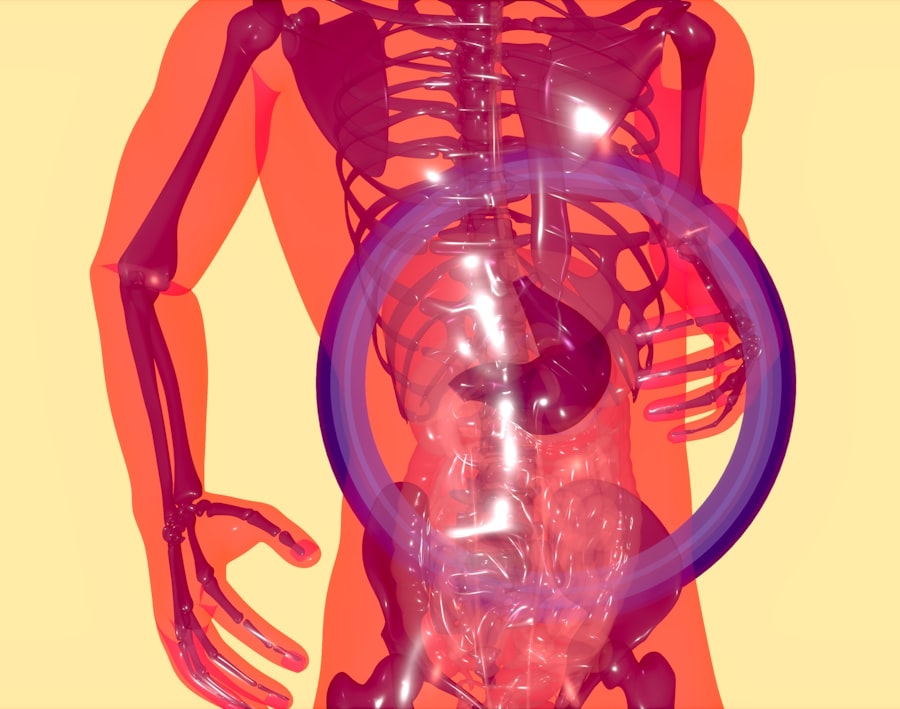
Maintaining a healthy gut is fundamentally about nurturing the beneficial microbes within you. This involves mindful dietary choices, lifestyle adjustments, and an awareness of your body’s signals.
Dietary Pillars for a Thriving Gut
Your plate is the most direct influence on your gut microbiome. Prioritizing certain foods and limiting others can make a significant difference.
The Power of Fiber: Feeding the Good Guys
Fiber is a prebiotic, meaning it acts as food for beneficial gut bacteria. Aim for a variety of fiber sources:
- Soluble Fiber: Found in oats, barley, beans, lentils, apples, and citrus fruits. It can help regulate blood sugar and cholesterol.
- Insoluble Fiber: Found in whole grains, vegetables, and fruits. It adds bulk to stool and aids in regular bowel movements.
- Fermented Foods: Traditionally fermented foods like yogurt (with live and active cultures), kefir, sauerkraut, kimchi, and tempeh are rich in probiotics – live beneficial bacteria. Introduce these gradually if you’re not accustomed to them.
Strategic Food Choices for Gut Resilience
- Limit Processed Foods: These are often low in fiber and high in sugar, unhealthy fats, and additives that can negatively impact the gut microbiome.
- Embrace a Variety of Fruits and Vegetables: Different colors and types of produce offer a diverse range of nutrients and fibers that support a diverse microbiome.
- Include Lean Proteins: Fish, poultry, beans, and lentils provide essential amino acids needed for overall health, including gut lining repair.
- Healthy Fats: Avocados, nuts, seeds, and olive oil provide essential fatty acids that can help reduce inflammation in the gut.
Lifestyle Habits: Beyond the Plate
Gut health is intrinsically linked to your overall well-being. Adopting healthy habits supports your internal ecosystem.
Stress Management: The Gut-Brain Connection
Chronic stress can significantly disrupt your gut microbiome. Finding effective stress-reduction techniques is crucial:
- Mindfulness and Meditation: Regular practice can calm the nervous system.
- Gentle Exercise: Activities like walking, yoga, or tai chi can promote relaxation and improve circulation.
- Adequate Sleep: Aim for 7-9 hours of quality sleep per night, as poor sleep negatively impacts gut health.
- Social Connection: Maintaining strong social ties can reduce stress and improve overall mood.
Hydration: The Unsung Hero
Water is essential for all bodily functions, including digestion and maintaining the integrity of the gut lining. Aim for consistent, adequate fluid intake throughout the day. Unsweetened herbal teas can also contribute to your hydration.
Regular, Gentle Exercise
Physical activity can stimulate gut motility, helping to prevent constipation and promoting a healthier gut environment. Consistency is more important than intensity.
Maintaining senior gut health is crucial, especially as digestive systems can become more sensitive with age. One important aspect to consider is the impact of food spoilage on gut health, as consuming spoiled food can lead to gastrointestinal issues that may disproportionately affect older adults. For more insights on how to safeguard your digestive health, you can read this informative article on senior gut health and food spoilage at Explore Senior Health. Understanding the relationship between food safety and gut health can empower seniors to make better dietary choices.
Safe Food Handling and Preparation: A Non-Negotiable Defense
| Metrics | Senior Gut Health | Food Spoilage |
|---|---|---|
| Prevalence | Common in elderly population | Can occur due to improper storage or handling |
| Effects | Can lead to digestive issues | Can cause foodborne illnesses |
| Prevention | Probiotics, fiber-rich diet | Proper refrigeration, monitoring expiration dates |
| Treatment | Dietary changes, medication | Discarding spoiled food, seeking medical attention if necessary |
Given the increased vulnerability of seniors to foodborne illnesses, rigorous adherence to safe food handling and preparation practices is not just a recommendation, but a necessity. This is your primary defense against the risks posed by spoiled food.
The Four Pillars of Food Safety: Clean, Separate, Cook, Chill
These fundamental principles, when applied diligently, drastically reduce the likelihood of foodborne illness.
Cleanliness: A Pristine Approach
- Wash Your Hands Thoroughly: Before, during, and after handling food, wash your hands with soap and warm water for at least 20 seconds.
- Sanitize Surfaces and Utensils: Wash cutting boards, dishes, utensils, and countertops with hot, soapy water after preparing each food item. Consider using a food-safe sanitizer.
- Rinse Produce: Wash fresh fruits and vegetables under running water, even if you plan to peel them, as bacteria can be transferred from the peel to the inside.
Separation: Preventing Cross-Contamination
- Separate Raw and Cooked Foods: Use separate cutting boards, plates, and utensils for raw meats, poultry, seafood, and eggs to prevent the transfer of bacteria to ready-to-eat foods.
- Store Raw Meats Properly: Always store raw meats, poultry, and seafood on the bottom shelf of your refrigerator in sealed containers or plastic bags to prevent dripping onto other foods.
Cooking: Ensuring Pathogens Are Eradicated
- Cook to Safe Internal Temperatures: Use a food thermometer to ensure foods are cooked to their proper internal temperatures. This is the only reliable way to know food is safe to eat. Key temperatures include:
- Poultry (whole or ground): 165°F (74°C)
- Ground Meats (beef, pork, lamb): 160°F (71°C)
- Steaks, Roasts, Chops (beef, pork, lamb, veal): 145°F (63°C) with a 3-minute rest time
- Fish: 145°F (63°C) or until opaque and flakes easily with a fork
- Eggs: Cook until the yolk and white are firm
- Leftovers and Casseroles: 165°F (74°C)
- Reheat Thoroughly: Reheat leftovers to an internal temperature of 165°F (74°C).
Chilling: Halting Bacterial Growth
- Refrigerate Promptly: Refrigerate perishable foods within two hours of cooking or purchasing. If the ambient temperature is above 90°F (32°C), refrigerate within one hour.
- Maintain Refrigerator Temperature: Your refrigerator should be set at or below 40°F (4°C) and your freezer at 0°F (-18°C).
- Thaw Safely: Never thaw food at room temperature. Thaw in the refrigerator, in a cold water bath (changing the water every 30 minutes), or in the microwave (cook immediately after thawing).
- Understand “Use By” Dates: These dates are typically for safety and refer to the time the food is best quality. “Best By” dates are for quality. However, when in doubt, err on the side of caution.
Beyond the Basics: Vigilance and Awareness
- Be Wary of Buffets and Deli Meats: These can be breeding grounds for bacteria if not handled and maintained at proper temperatures.
- Inspect Packaging: Do not purchase cans that are dented, bulging, or leaking, or packages that are torn or damaged.
- Consider the Source: Buy food from reputable sources that practice good hygiene.
- Listen to Your Gut (Literally and Figuratively): If a food looks, smells, or tastes questionable, do not consume it. Your intuition is a valuable tool.
By integrating a proactive approach to gut health with unwavering attention to food safety, you can significantly mitigate the risks associated with spoiled food and lead a healthier, more comfortable life in your senior years. This requires continuous learning, mindful choices, and a commitment to protecting your well-being.
FAQs
What is senior gut health and why is it important?
Senior gut health refers to the overall well-being of the digestive system in older adults. It is important because a healthy gut can help prevent digestive issues, improve nutrient absorption, and support the immune system.
How does aging affect gut health in seniors?
As people age, the composition of gut bacteria changes, which can lead to a decline in digestive function and an increased risk of gastrointestinal issues. Aging can also weaken the immune system, making seniors more susceptible to gut-related problems.
What are some dietary tips to support senior gut health?
Seniors can support their gut health by consuming a diet rich in fiber, probiotics, and prebiotics. This includes eating plenty of fruits, vegetables, whole grains, and fermented foods. Staying hydrated and avoiding excessive alcohol and processed foods can also help maintain gut health.
How does food spoilage impact senior gut health?
Food spoilage can lead to the consumption of harmful bacteria, which can cause foodborne illnesses and negatively impact gut health, especially in seniors with weakened immune systems. It is important for seniors to be mindful of food storage and expiration dates to prevent food spoilage.
What are some signs of poor gut health in seniors?
Signs of poor gut health in seniors may include digestive issues such as bloating, gas, constipation, diarrhea, and abdominal discomfort. Additionally, seniors may experience decreased energy levels, weakened immune function, and nutrient deficiencies due to poor gut health.