As you age, your body undergoes numerous changes, and one of the most significant areas affected is your digestive system. Understanding the nuances of senior health, particularly in relation to digestion, is crucial for maintaining overall well-being. The digestive system can become less efficient with age, leading to various issues such as constipation, bloating, and discomfort.
Therefore, it becomes essential to pay attention to the foods you consume and how they impact your digestive health. In this context, certain foods can either support or hinder your digestive processes. Among these, green peppers often come under scrutiny.
While they are a staple in many diets due to their vibrant color and nutritional benefits, they may not be the best choice for everyone, especially seniors. This article will explore the implications of consuming green peppers for older adults and provide insights into alternative dietary options that promote better digestion.
Key Takeaways
- Green peppers can have a significant impact on senior digestive health
- Avoiding green peppers can provide numerous benefits for senior digestion
- There are alternative options for senior nutrition and digestion that do not include green peppers
- Senior meal planning can be adjusted to exclude green peppers while still providing nutritious and delicious options
- Consulting with a nutritionist can help seniors make informed decisions about their digestive health and diet
The Benefits of Avoiding Green Peppers for Senior Digestion
Avoiding green peppers can lead to several benefits for your digestive health as you age. One of the primary advantages is the reduction of gastrointestinal discomfort. Green peppers contain a compound called solanine, which can be difficult for some individuals to digest.
For seniors, whose digestive systems may already be compromised, this can lead to bloating, gas, and even abdominal pain. By steering clear of green peppers, you may find that your digestive system operates more smoothly, allowing you to enjoy meals without the fear of discomfort. Additionally, eliminating green peppers from your diet can encourage you to explore a wider variety of vegetables that are easier on your stomach.
This exploration can lead to a more balanced and nutritious diet overall. By focusing on vegetables that are gentler on your digestive system, such as carrots or zucchini, you can ensure that you are still receiving essential vitamins and minerals without the adverse effects that green peppers might bring.
Understanding the Impact of Green Peppers on Senior Digestive Health
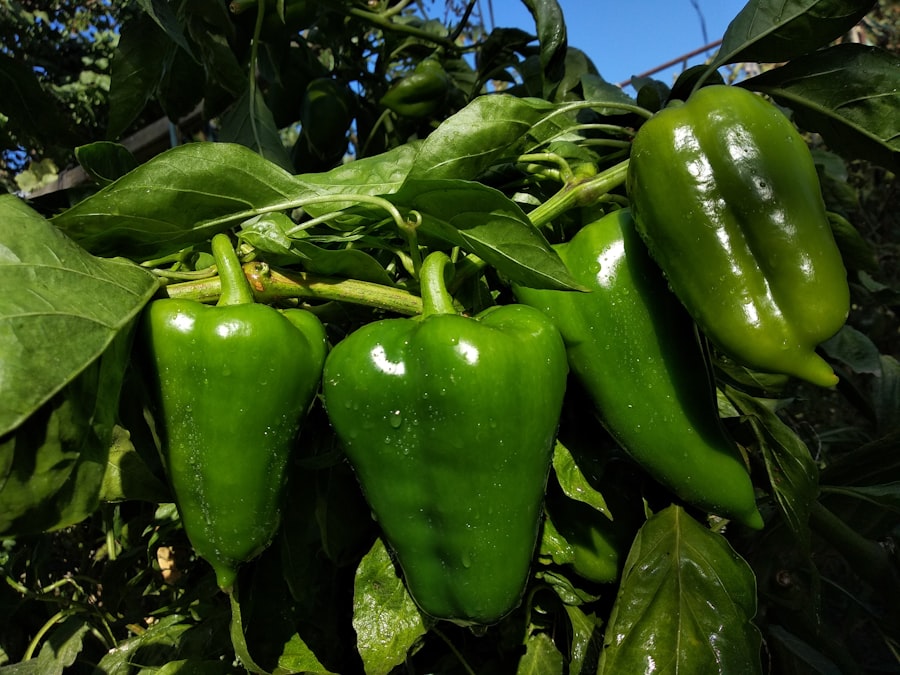
To fully grasp why green peppers may pose challenges for seniors, it’s important to understand their composition. Green peppers are high in fiber, which is generally beneficial for digestion; however, the type of fiber they contain can be problematic for some individuals. The insoluble fiber found in green peppers can exacerbate existing digestive issues, leading to discomfort rather than relief.
For seniors who may already be dealing with conditions like irritable bowel syndrome (IBS) or diverticulitis, consuming foods that are high in insoluble fiber can worsen symptoms. Moreover, green peppers are part of the nightshade family, which includes tomatoes and eggplants. Some individuals have sensitivities to nightshades that can trigger inflammation or digestive distress.
If you find that consuming green peppers leads to discomfort or other digestive issues, it may be wise to consider their impact on your overall health and make adjustments accordingly.
Alternative Options for Senior Nutrition and Digestion
| Option | Nutritional Value | Digestive Benefits |
|---|---|---|
| Smoothies | High in vitamins and minerals | Easy to digest and absorb nutrients |
| Probiotic Foods | Supports gut health | Aids in digestion and nutrient absorption |
| Soft Foods | Provides essential nutrients | Gentle on the digestive system |
| Herbal Teas | May have antioxidant properties | Can help with digestion and bloating |
Fortunately, there are numerous alternatives to green peppers that can provide similar nutritional benefits without the associated digestive issues. Vegetables such as spinach, sweet potatoes, and squash are excellent choices that are generally easier on the stomach. These options not only offer a wealth of vitamins and minerals but also provide soluble fiber that can aid in digestion rather than hinder it.
Incorporating a variety of colorful vegetables into your meals can also enhance your overall nutrient intake. For instance, carrots are rich in beta-carotene and can be easily digested when cooked. Similarly, zucchini is versatile and can be used in a range of dishes from stir-fries to soups.
By diversifying your vegetable intake, you can ensure that you are meeting your nutritional needs while also supporting your digestive health.
Tips for Senior Meal Planning without Green Peppers
When planning meals without green peppers, it’s essential to focus on balance and variety. Start by creating a weekly meal plan that incorporates a range of vegetables known for their digestibility. Aim for at least three different types of vegetables each day to ensure you’re getting a broad spectrum of nutrients.
For example, consider pairing steamed broccoli with roasted carrots and sautéed spinach for a colorful and nutritious plate. Additionally, consider cooking methods that enhance digestibility.
You might also want to experiment with pureeing vegetables into soups or smoothies, which can further aid in digestion while still providing essential nutrients. By being mindful of how you prepare your meals, you can create delicious dishes that support your digestive health.
The Connection Between Green Peppers and Digestive Issues in Seniors
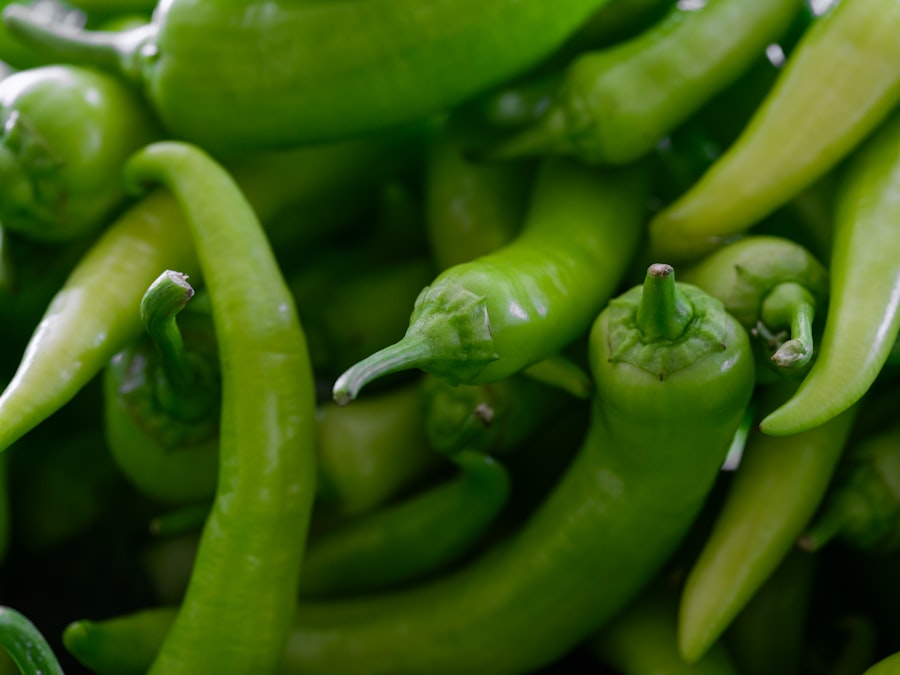
The connection between green peppers and digestive issues in seniors is often overlooked but deserves attention. Many older adults experience changes in their gut microbiome as they age, which can affect how they process certain foods. Green peppers may not sit well with everyone due to their fibrous texture and potential for causing gas or bloating.
If you notice that consuming green peppers leads to discomfort or exacerbates existing digestive problems, it’s crucial to listen to your body. Moreover, the cumulative effect of consuming foods that irritate your digestive system can lead to chronic issues over time. By avoiding green peppers and other similar foods that may cause distress, you can help maintain a healthier gut environment.
This proactive approach not only alleviates immediate discomfort but also contributes to long-term digestive health.
Senior-Friendly Recipes without Green Peppers
Creating delicious meals without green peppers doesn’t have to be a challenge; in fact, it opens up a world of culinary possibilities! One simple yet flavorful recipe is a roasted vegetable medley featuring zucchini, carrots, and sweet potatoes. Toss these vegetables with olive oil, garlic, and herbs before roasting them until tender.
This dish not only provides essential nutrients but also offers a comforting taste that is easy on the stomach. Another great option is a creamy butternut squash soup. Simply sauté onions and garlic in a pot, add diced butternut squash and vegetable broth, then simmer until soft.
Blend until smooth and season with salt and pepper for a warm and satisfying meal. This soup is not only nutritious but also gentle on the digestive system, making it an ideal choice for seniors looking to avoid green peppers.
How to Support Senior Digestive Health
Supporting senior digestive health involves more than just avoiding certain foods; it requires a holistic approach to nutrition and lifestyle choices. Staying hydrated is crucial for maintaining healthy digestion, so make sure you’re drinking plenty of water throughout the day. Additionally, incorporating regular physical activity into your routine can help stimulate digestion and prevent constipation.
Mindful eating practices can also play a significant role in supporting digestive health. Take the time to chew your food thoroughly and eat slowly to allow your body to properly process what you consume. This practice not only enhances digestion but also allows you to enjoy your meals more fully.
Incorporating Digestive-Friendly Foods into a Senior’s Diet
Incorporating digestive-friendly foods into your diet is essential for maintaining optimal health as you age.
Fermented foods like sauerkraut or kimchi are also excellent choices that support digestion by introducing beneficial bacteria into your system.
Additionally, consider adding soluble fiber sources like oats or chia seeds into your meals. These foods help regulate bowel movements and can alleviate constipation while being gentle on the digestive tract. By focusing on these types of foods, you can create a diet that not only avoids potential irritants like green peppers but also actively supports your digestive health.
Consulting with a Nutritionist for Senior Digestive Health
If you’re unsure about how to navigate dietary changes or have specific concerns regarding your digestive health, consulting with a nutritionist can be incredibly beneficial. A qualified nutritionist can provide personalized guidance tailored to your unique needs and preferences. They can help you identify potential food sensitivities and suggest alternatives that align with your health goals.
Working with a nutritionist also allows you to explore new recipes and meal ideas that prioritize both nutrition and digestibility. They can assist in creating meal plans that ensure you’re getting all the necessary nutrients while avoiding foods that may cause discomfort.
Prioritizing Senior Digestive Health by Avoiding Green Peppers
In conclusion, prioritizing senior digestive health is essential for maintaining overall well-being as you age. While green peppers may offer some nutritional benefits, they can also pose challenges for many seniors due to their potential impact on digestion. By understanding these implications and exploring alternative options for nutrition, you can create a diet that supports your digestive health.
Embracing a variety of digestible vegetables and incorporating mindful eating practices will not only enhance your meals but also contribute positively to your overall quality of life. Remember that listening to your body is key; if certain foods cause discomfort, it’s worth considering alternatives that promote better digestion. Ultimately, by making informed dietary choices and seeking professional guidance when needed, you can prioritize your digestive health effectively as you navigate the golden years of life.
As we age, our digestive systems can become more sensitive, and certain foods that were once easily tolerated may start to cause discomfort. One such food is green peppers, which can be difficult for some seniors to digest due to their tough skin and the presence of certain compounds that may lead to bloating or gas. For more information on dietary considerations for seniors and how to maintain a balanced diet that supports digestive health, you can read a related article on this topic by visiting