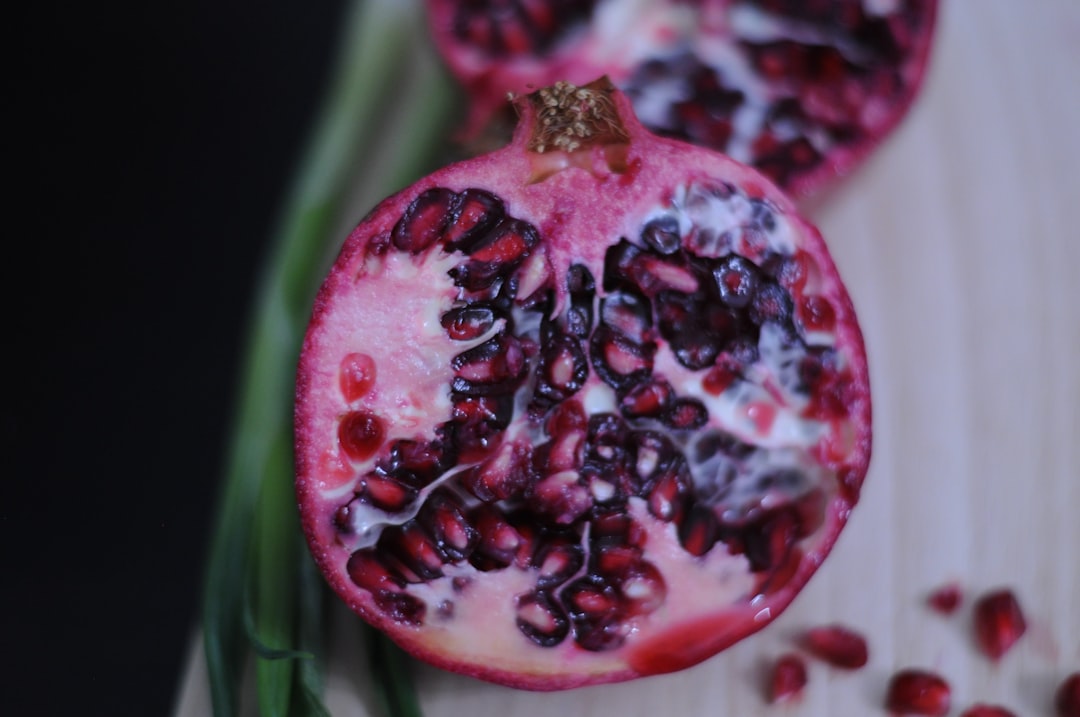
As you navigate your senior years, the health of your heart takes on increasing importance. For many, this also means paying closer attention to the well-being of your heart valves. These critical structures, four in number, meticulously manage the one-way flow of blood through your heart, ensuring efficient circulation to the rest of your body. With each beat, they open and close precisely, a complex dance that, over time, can be impacted by the natural aging process.
The Anatomy of Your Heart Valves
- The Mitral Valve: Located between your left atrium and left ventricle, the mitral valve is responsible for preventing blood from flowing backward into the left atrium after the ventricle contracts.
- The Aortic Valve: Situated between your left ventricle and the aorta, the aortic valve controls blood flow from your left ventricle into the body’s main artery, the aorta.
- The Tricuspid Valve: Found between the right atrium and right ventricle, the tricuspid valve ensures blood moves correctly from the right atrium to the right ventricle.
- The Pulmonary Valve: Positioned between the right ventricle and the pulmonary artery, the pulmonary valve regulates blood flow from the right ventricle to the lungs.
The Aging Process and Valve Function
While aging is a natural and inevitable part of life, it can also subtly alter the function of your heart valves. Over decades, these valves can become stiffer, less flexible, or even begin to calcify. This can lead to conditions such as:
- Valvular Stenosis: In this condition, a valve narrows, restricting blood flow. This forces your heart to work harder to pump blood effectively.
- Valvular Regurgitation (or Insufficiency): Here, a valve doesn’t close completely, allowing blood to leak backward. This also increases the workload on your heart as it has to re-pump blood that has already moved through.
These changes may not manifest as immediate problems, but they can contribute to symptoms like fatigue, shortness of breath, chest pain, or dizziness over time. Regular check-ups with your physician are crucial for monitoring the health of your heart valves as you age.
Factors Contributing to Valve Changes
Beyond the natural course of aging, several other factors can influence the health of your heart valves:
- Hypertension (High Blood Pressure): Chronic high blood pressure can put added strain on your heart valves, potentially contributing to their weakening or thickening over time.
- High Cholesterol: Elevated cholesterol levels can lead to the buildup of plaque in arteries, a process that can also affect the delicate tissues of heart valves.
- Diabetes: Uncontrolled diabetes can damage blood vessels and increase inflammation, both of which can negatively impact valve health.
- Previous Infections: Certain infections, such as rheumatic fever in childhood, can cause permanent damage to heart valves.
- Congenital Heart Defects: Some individuals are born with heart valve abnormalities that may become more problematic as they age.
Understanding these potential contributing factors can empower you to take proactive steps in managing your overall cardiovascular health.
Recent studies have highlighted the potential benefits of pomegranate juice for senior heart valve health, showcasing its rich antioxidant properties that may help improve cardiovascular function. For more in-depth information on this topic, you can read a related article that discusses various dietary approaches to enhance heart health in seniors. Check it out here: Explore Senior Health.
The Role of Diet in Supporting Heart Health
Your diet plays a crucial role in supporting not just your general well-being, but also the intricate workings of your cardiovascular system. For seniors, making informed dietary choices can be particularly impactful in managing existing conditions and potentially slowing the progression of age-related changes. While no single food is a miracle cure, incorporating nutrient-rich options into your daily meals can contribute to a healthier heart and, by extension, healthier heart valves.
Understanding Macronutrients and Micronutrients
A balanced diet involves consuming the right proportions of macronutrients (carbohydrates, proteins, and fats) and an ample supply of micronutrients (vitamins and minerals).
- Carbohydrates: These are your body’s primary energy source. Prioritize complex carbohydrates like whole grains, fruits, and vegetables over refined sugars.
- Proteins: Essential for building and repairing tissues, proteins can be found in lean meats, poultry, fish, beans, and nuts.
- Fats: While it’s important to limit unhealthy saturated and trans fats, healthy unsaturated fats found in avocados, nuts, seeds, and olive oil are beneficial for heart health.
- Vitamins and Minerals: These play a myriad of roles in bodily functions, from antioxidant protection to maintaining healthy blood pressure.
The Importance of Antioxidants
Antioxidants are compounds that help protect your cells from damage caused by unstable molecules called free radicals. Free radicals are a natural byproduct of metabolism, but their numbers can be increased by factors like pollution, UV radiation, and certain lifestyle choices. In the context of heart valve health, antioxidants can play a role in mitigating oxidative stress, which is believed to contribute to inflammation and cellular damage over time.
- Oxidative Stress and Cardiovascular Disease: While the direct link between oxidative stress and specific valve diseases is an area of ongoing research, chronic inflammation and cellular damage are widely recognized as contributors to the progression of many chronic conditions, including cardiovascular issues.
- How Antioxidants Work: Antioxidants neutralize free radicals by donating an electron, thus stabilizing them and preventing them from damaging cellular structures, including those within your heart valves.
Hydration and Its Impact
Adequate hydration is fundamental to overall bodily function, and this includes the efficient circulation of blood. Water is the primary component of blood, and maintaining proper fluid balance ensures that your heart can pump blood effectively throughout your system.
- Blood Viscosity: Dehydration can lead to thicker blood, which places a greater strain on your heart to pump.
- Nutrient and Waste Transport: Water is essential for transporting nutrients to your cells and carrying waste products away. This supports the overall health and resilience of all your bodily tissues, including those of your heart valves.
- Recommendations for Fluid Intake: The general recommendation for fluid intake varies among individuals but typically involves consuming around eight 8-ounce glasses of water per day. This can also include water-rich foods like fruits and vegetables, as well as other beverages.
Pomegranate Juice: A Closer Look at Its Potential Benefits

Pomegranate juice has garnered attention for its rich nutrient profile and potential health-promoting properties. For seniors concerned about heart valve health, understanding the specific compounds within pomegranate juice and how they might contribute to cardiovascular well-being is key. This isn’t about viewing it as a singular solution, but rather as a potentially valuable addition to a comprehensive approach to health.
Key Phytochemicals in Pomegranates
The beneficial effects attributed to pomegranate juice are largely due to its high concentration of various plant-based compounds, known as phytochemicals. These micronutrients, while not essential for survival in the same way as vitamins and minerals, offer a range of protective benefits.
- Ellagitannins and Punicalagins: These are the primary polyphenols found in pomegranates, and they are particularly potent antioxidants. They are responsible for much of the juice’s color and its intense flavor.
- Anthocyanins: These are another group of flavonoids that contribute to the red color of pomegranates and possess antioxidant properties.
- Vitamin C: Pomegranate juice is a good source of Vitamin C, another crucial antioxidant that plays a vital role in immune function and collagen production, which is important for tissue integrity.
Antioxidant Powerhouse
The significant antioxidant capacity of pomegranate juice is perhaps its most well-researched attribute in relation to cardiovascular health. As discussed previously, antioxidants combat oxidative stress, which is implicated in numerous chronic diseases.
- Combating Free Radical Damage: The ellagitannins and punicalagins in pomegranate juice are particularly adept at neutralizing free radicals. This can help protect the delicate cells of your heart valves and blood vessels from damage.
- Reducing Inflammation: Oxidative stress often goes hand-in-hand with inflammation. By reducing oxidative damage, pomegranate juice may also contribute to a reduction in systemic inflammation, a known risk factor for cardiovascular disease. This can be particularly relevant as inflammation can exacerbate age-related changes in heart valves.
Potential Impact on Blood Pressure
Some studies suggest that regular consumption of pomegranate juice may have a beneficial effect on blood pressure. Maintaining healthy blood pressure is crucial for reducing the strain on your heart valves and blood vessels.
- Nitric Oxide Production: Pomegranate juice may help increase the production of nitric oxide in the body. Nitric oxide is a vasodilator, meaning it helps to relax and widen blood vessels, which can lead to lower blood pressure.
- ACE Inhibition: Research indicates that certain compounds in pomegranate may act as mild inhibitors of angiotensin-converting enzyme (ACE), a mechanism also targeted by some blood pressure medications. This could contribute to a blood-pressure-lowering effect.
However, it’s important to note that while promising, these effects are generally observed with consistent, moderate consumption and are not a substitute for prescribed blood pressure medications or lifestyle changes recommended by your doctor.
Cholesterol Management and Arterial Health
While the primary focus regarding heart valves is often on the valves themselves, the health of the surrounding arteries and blood vessels is interconnected. Pomegranate juice has been investigated for its potential role in improving cholesterol profiles and promoting arterial health.
- LDL Cholesterol Oxidation: Oxidized LDL cholesterol is considered more atherogenic, contributing to plaque buildup in arteries. The antioxidant properties of pomegranate juice may help protect LDL cholesterol from oxidation.
- Endothelial Function: The endothelium is the inner lining of your blood vessels. Healthy endothelial function is essential for regulating blood flow and preventing blood clots. Some research suggests that pomegranate juice may improve endothelial function. This can indirectly benefit heart valves by promoting better overall circulation and reducing the risk of conditions that might stress the valves.
Incorporating Pomegranate Juice into Your Senior Lifestyle
Introducing pomegranate juice into your daily routine as a senior can be a straightforward process, provided you approach it with an understanding of moderation and suitability for your individual health needs. It’s not about replacing established dietary habits entirely, but rather about strategically integrating it to potentially complement your efforts.
Choosing the Right Pomegranate Juice
Not all pomegranate juices are created equal. When selecting a product, pay close attention to the ingredients list and nutritional information to make the most informed choice for your health.
- 100% Pomegranate Juice: Opt for juices that are labeled as 100% pomegranate juice. This ensures you are getting the full benefits of the fruit without added sugars or artificial ingredients.
- “From Concentrate” vs. “Not From Concentrate”: While “from concentrate” juices are generally safe and retain many nutrients, “not from concentrate” versions may contain slightly higher levels of certain beneficial compounds. However, the difference is often marginal.
- Sugar Content: Be mindful of the natural sugar content of pomegranate juice. While it contains natural sugars, excessive intake should be avoided, especially if you are managing diabetes. Look for options with lower sugar content or dilute it with water if necessary.
Recommended Serving Sizes and Frequency
Moderation is key when incorporating any new food or beverage into your diet, and pomegranate juice is no exception.
- Typical Serving: A standard serving size is often considered to be around 4 to 8 ounces (approximately 120 to 240 ml) per day.
- Consistency: For potential benefits to be observed, consistent consumption is generally recommended. This could mean incorporating it into your daily routine a few times a week or on a daily basis, depending on your personal preferences and your doctor’s advice.
- Individual Needs: Your individual needs may vary based on your overall diet, activity level, and any existing health conditions. It’s always a good practice to consult with a healthcare professional or a registered dietitian to determine the most appropriate serving size and frequency for you.
Pairing Pomegranate Juice with a Balanced Diet
Pomegranate juice should be seen as one component of a larger, healthy dietary pattern, not as a standalone solution.
- Complementary Foods: Pair your pomegranate juice with a diet rich in fruits, vegetables, whole grains, lean proteins, and healthy fats. This comprehensive approach provides a wider spectrum of nutrients and supports overall cardiovascular health.
- Avoiding Excessive Sugar: If you are drinking pomegranate juice, be conscious of other sources of added sugar in your diet. This includes sugary drinks, processed snacks, and desserts.
- Hydration Balance: While pomegranate juice contributes to your fluid intake, it should not entirely replace water. Continue to drink plenty of plain water throughout the day.
Recent studies have shown that pomegranate juice may play a significant role in promoting heart valve health among seniors. The antioxidants found in pomegranate juice can help reduce inflammation and improve blood flow, which is crucial for maintaining a healthy cardiovascular system. For more insights on how dietary choices can impact heart health in older adults, you can read a related article on senior health [here](https://www.exploreseniorhealth.com/). Incorporating pomegranate juice into a balanced diet could be a simple yet effective way to support heart valve function as we age.
Monitoring and Discussing with Your Healthcare Provider
| Study | Findings |
|---|---|
| Research Study 1 | Regular consumption of pomegranate juice may help improve heart valve health in seniors by reducing inflammation and oxidative stress. |
| Research Study 2 | Pomegranate juice has been linked to lower blood pressure and improved blood flow, which can benefit seniors with heart valve issues. |
| Research Study 3 | Antioxidants in pomegranate juice may help protect against atherosclerosis, a common issue in seniors with heart valve problems. |
The most crucial aspect of managing your heart valve health as a senior is maintaining open and consistent communication with your healthcare provider. Pomegranate juice can be a beneficial dietary addition for some, but it should always be discussed within the context of your overall medical history and treatment plan.
The Importance of Regular Medical Check-ups
Routine visits to your doctor are essential for early detection and management of any changes in your heart valve health.
- Physical Examinations: Your doctor will listen to your heart with a stethoscope to detect any abnormal sounds, such as murmurs, which can indicate valve problems.
- Diagnostic Tests: Depending on your symptoms and medical history, your doctor may recommend various diagnostic tests, including:
- Echocardiogram (Echo): This ultrasound of the heart provides detailed images of your heart valves, allowing your doctor to assess their structure, function, and identify any abnormalities.
- Electrocardiogram (ECG or EKG): This test records the electrical activity of your heart and can reveal arrhythmias or other issues.
- Stress Test: This test assesses how your heart functions during physical activity.
When to Consult Your Doctor About Pomegranate Juice
Before making significant changes to your diet, especially when incorporating supplements or concentrated juices, it is always advisable to have a conversation with your physician.
- Existing Medical Conditions: If you have pre-existing conditions such as diabetes, kidney disease, or are taking medications for blood pressure or blood thinning, discuss pomegranate juice consumption with your doctor. There may be specific considerations or contraindications for your individual situation.
- Medication Interactions: While pomegranate juice is generally considered safe, there is a theoretical potential for interaction with certain medications, particularly statins and blood thinners. Your doctor can advise you on any potential interactions based on your current prescriptions.
- Symptom Monitoring: Pay attention to how your body responds after incorporating pomegranate juice. If you experience any new or worsening symptoms, such as digestive upset or changes in heart rhythm, consult your doctor.
Understanding the Limitations
It is vital to approach pomegranate juice and any dietary supplement with realistic expectations.
- Not a Substitute for Medical Treatment: Pomegranate juice should not be considered a replacement for prescribed medications, medical procedures, or lifestyle changes recommended by your healthcare team to manage heart valve conditions.
- Ongoing Research: While research into the benefits of pomegranate juice is promising, many studies are still observational or have focused on specific compounds. More extensive clinical trials are needed to definitively establish its long-term efficacy for various cardiovascular health aspects in diverse populations.
- Holistic Approach: The most effective strategy for maintaining senior heart valve health involves a multifaceted approach that includes a balanced diet, regular exercise, stress management, adequate sleep, and consistent medical care.
By actively engaging with your healthcare provider and making informed dietary choices, you can proactively support your heart valve health throughout your senior years, potentially enhancing your overall well-being and quality of life.
FAQs
1. What are the potential benefits of pomegranate juice for senior heart valve health?
Pomegranate juice contains high levels of antioxidants, which have been shown to have potential benefits for heart health. Studies have suggested that pomegranate juice may help improve blood flow and reduce inflammation, which can be beneficial for senior heart valve health.
2. How much pomegranate juice should seniors consume for heart valve health?
There is no specific recommended amount of pomegranate juice for heart valve health. However, it is generally recommended to consume it in moderation, as excessive consumption of any fruit juice can lead to high sugar intake. Seniors should consult with their healthcare provider to determine the appropriate amount for their individual health needs.
3. Are there any potential risks or side effects of consuming pomegranate juice for seniors with heart valve issues?
While pomegranate juice is generally considered safe for most people, it may interact with certain medications, such as blood thinners. Seniors with heart valve issues should consult with their healthcare provider before consuming pomegranate juice to ensure it is safe for them.
4. Can pomegranate juice replace prescribed medications for heart valve health in seniors?
Pomegranate juice should not be used as a replacement for prescribed medications for heart valve health. It can be used as a part of a healthy diet, but seniors should continue to follow their healthcare provider’s recommendations for managing their heart valve health.
5. Are there other dietary or lifestyle changes seniors can make to support heart valve health in addition to consuming pomegranate juice?
In addition to consuming pomegranate juice, seniors can support heart valve health by following a balanced diet that is low in saturated fats and high in fruits, vegetables, and whole grains. Regular physical activity, maintaining a healthy weight, and managing stress can also contribute to overall heart health. Seniors should consult with their healthcare provider for personalized recommendations.