
You’re navigating a crucial phase of life, and what you eat, and how you keep it, matters more than ever. As you age, your body’s needs change, and so do the considerations for maintaining a healthy and safe diet. This guide focuses on two fundamental pillars of senior well-being: senior nutrition and food storage safety. Understanding these aspects empowers you to make informed choices that support your health, energy levels, and overall quality of life.
Your body’s relationship with food evolves over time. While the core principles of a balanced diet remain, certain nutrients become more critical, and others require careful consideration. Understanding these shifts allows you to tailor your eating habits for optimal health.
Changes in Metabolism and Energy Requirements
As you get older, your metabolism naturally slows down. This means you burn fewer calories at rest compared to your younger years. Consequently, your caloric needs may decrease. However, this doesn’t mean you should reduce your intake of essential nutrients. The challenge lies in obtaining sufficient vitamins and minerals from fewer calories. This emphasizes the importance of nutrient-dense foods – those that pack a lot of nutritional value into a smaller portion.
Caloric Intake Adjustments
It’s crucial to listen to your body and adjust your food intake accordingly. Gaining excessive weight can exacerbate existing health conditions like joint pain, diabetes, and heart disease. Conversely, significant unintentional weight loss can lead to muscle weakness, fatigue, and a compromised immune system. Consulting with a healthcare professional or a registered dietitian can help you determine your appropriate caloric intake based on your activity level, health status, and individual needs. They can provide personalized guidance on portion sizes and meal composition.
The Role of Hydration
Hydration remains paramount at any age, but seniors may be at a higher risk of dehydration. Thirst signals can diminish with age, leading individuals to not feel thirsty even when their bodies require fluids. Dehydration can lead to fatigue, confusion, constipation, dizziness, and even more serious health complications. Water is the best choice, but other hydrating fluids like herbal teas, diluted juices, and broths can also contribute. You might find it helpful to set reminders to drink water throughout the day or keep a water bottle readily accessible. Pay attention to the color of your urine as an indicator; pale yellow indicates good hydration, while dark yellow can suggest you need to drink more.
Key Nutrients for Senior Health
Certain vitamins and minerals play a particularly vital role in maintaining health and preventing age-related diseases. Prioritizing these in your diet is essential.
Protein: Building and Maintaining Muscle Mass
Protein is the building block of your body, crucial for repairing tissues, producing enzymes and hormones, and supporting a healthy immune system. As you age, maintaining muscle mass becomes increasingly important to prevent falls and maintain mobility. Ensure your diet includes adequate protein sources at each meal.
- Lean Meats and Poultry: Chicken, turkey, and lean cuts of beef provide high-quality protein.
- Fish: Fatty fish like salmon and mackerel are excellent sources of protein and omega-3 fatty acids, which are beneficial for heart and brain health.
- Eggs: A versatile and complete protein source.
- Dairy Products: Milk, yogurt, and cheese offer protein along with calcium. Opt for lower-fat versions where appropriate.
- Legumes and Beans: Lentils, chickpeas, black beans, and other legumes are excellent plant-based protein sources, also rich in fiber.
- Nuts and Seeds: A convenient way to add protein, healthy fats, and other nutrients.
Calcium and Vitamin D: Bone Health Guardians
Strong bones are essential for preventing osteoporosis and fractures, which can significantly impact mobility and independence. Calcium is the primary building block of bones, while Vitamin D is crucial for its absorption.
- Calcium Sources: Dairy products, leafy green vegetables (kale, spinach), fortified plant-based milks, sardines, and tofu.
- Vitamin D Sources: Sunlight exposure (with appropriate precautions), fatty fish, fortified milk and cereals, and supplements. Many seniors may require Vitamin D supplementation, especially if they have limited sun exposure or certain medical conditions.
Vitamin B12: Nerve Function and Red Blood Cell Production
Vitamin B12 is vital for healthy nerve function and the formation of red blood cells. Deficiency can lead to fatigue, cognitive changes, and neurological issues. Absorption of B12 can decrease with age, making it a nutrient to monitor.
- Sources: Animal products, including meat, fish, dairy, and eggs. Fortified cereals and nutritional yeast are options for vegetarians and vegans. If you have digestive issues or take certain medications, your doctor might recommend B12 supplements.
Fiber: Digestive Health and Beyond
Fiber is essential for a healthy digestive system, preventing constipation, and promoting feelings of fullness, which can aid in weight management. It also plays a role in regulating blood sugar levels and lowering cholesterol.
- Sources: Whole grains (oats, brown rice, quinoa), fruits, vegetables, legumes, nuts, and seeds. Aim to incorporate a variety of high-fiber foods into your daily meals.
Addressing Common Age-Related Dietary Challenges
Beyond nutrient requirements, you might encounter specific dietary challenges as you age. Recognizing and addressing these proactively can make a significant difference.
Loss of Appetite and Changes in Taste/Smell
Sometimes, you might find your appetite decreases, or your sense of taste and smell becomes less acute. This can lead to reduced food intake and enjoyment of meals.
- Strategies:
- Flavor Enhancement: Use herbs, spices, lemon juice, or vinegars to boost the flavor of food without relying on excessive salt or sugar.
- Smaller, More Frequent Meals: Instead of three large meals, consider having five or six smaller meals and snacks throughout the day.
- Nutrient-Dense Snacks: Opt for snacks that provide a good nutritional punch, like a handful of nuts, yogurt with fruit, or a hard-boiled egg.
- Social Eating: Eating with others can make meals more enjoyable and stimulate appetite.
- Consult a Doctor: If appetite loss is significant or unexplained, it’s important to discuss it with your doctor, as it could be a sign of an underlying medical issue.
Digestive Issues
Constipation is a common concern, often linked to reduced fiber intake, dehydration, or decreased physical activity. Other digestive problems might also arise.
- Managing Digestion:
- Increase Fiber: Gradually incorporate more fiber-rich foods into your diet.
- Stay Hydrated: Drink plenty of water throughout the day.
- Regular Physical Activity: Even gentle exercise can stimulate bowel function.
- Probiotics: Foods like yogurt with live cultures or fermented foods can support gut health.
Medication Interactions with Food
Many medications can interact with certain foods or nutrients, affecting their absorption or efficacy.
- Crucial Awareness: Always read the medication information leaflets provided by your pharmacist. If you’re unsure about potential food interactions, ask your doctor or pharmacist. For example, certain antibiotics should not be taken with dairy products, and grapefruit can interfere with the metabolism of many medications.
Ensuring proper nutrition and food storage safety is crucial for seniors, as it directly impacts their health and well-being. For more insights on this topic, you can refer to a related article that discusses various strategies for maintaining a balanced diet while also emphasizing the importance of safe food handling practices. To learn more, visit this article.
Food Storage Safety: Protecting Your Health
Proper food storage is not just about preventing spoilage; it’s a critical measure for preventing foodborne illnesses, which can be particularly dangerous for seniors. Understanding safe handling and storage practices safeguards your health and well-being.
The Basics of Food Safety
Foodborne illnesses, often caused by bacteria, viruses, or parasites, can lead to symptoms ranging from mild discomfort to severe health problems. Seniors, with potentially weakened immune systems, are more vulnerable to these infections. Adhering to fundamental food safety principles is your first line of defense.
The Four Cs of Food Safety
This simple acronym encapsulates the core principles of preventing foodborne illness:
- Clean: Wash your hands thoroughly with soap and warm water before, during, and after preparing food. Clean all surfaces, utensils, and cutting boards that come into contact with food. Rinse fruits and vegetables under running water.
- Cook: Cook foods to their proper internal temperatures to kill harmful microorganisms. Use a food thermometer to ensure accuracy.
- Chill: Refrigerate perishable foods promptly to slow the growth of bacteria.
- Cross-Contamination: Prevent the transfer of harmful microorganisms from raw foods to cooked or ready-to-eat foods.
Understanding “Use By” and “Best Before” Dates
Navigating expiration dates can sometimes be confusing:
- “Use By” Dates: These are typically found on highly perishable foods like raw meat, poultry, fish, and dairy products. They indicate the last day the food is at its peak quality and safety. It’s generally advised not to consume food past its “use by” date.
- “Best Before” Dates: These are more about quality than safety. The food may be safe to eat after this date, but its flavor, texture, or nutritional value might decline. Use your senses of sight and smell to assess the safety of food past its “best before” date. If in doubt, it’s best to discard it.
Understanding the importance of senior nutrition and food storage safety is crucial for maintaining health and well-being in older adults. A related article that provides valuable insights on this topic can be found at Explore Senior Health, where you can discover tips on how to properly store food to prevent spoilage and ensure that nutritional needs are met. By following these guidelines, seniors can enjoy a balanced diet while minimizing the risk of foodborne illnesses.
Refrigeration Guidelines for Optimal Safety
Your refrigerator is a vital tool in preventing the growth of harmful bacteria. Maintaining the correct temperature and organizing your fridge properly are key.
Ideal Refrigerator Temperature
The ideal temperature for your refrigerator is 40°F (4°C) or below. This slows down the growth of most harmful bacteria.
Proper Refrigerator Organization
- Raw Meats and Poultry: Store raw meats, poultry, and fish on the bottom shelf of your refrigerator, ideally in sealed containers or on plates. This prevents any drips from contaminating other foods underneath.
- Ready-to-Eat Foods: Place cooked foods, leftovers, and produce on the upper shelves.
- Door Shelves: These are the warmest part of the refrigerator, so store less perishable items like condiments and drinks here.
- Avoid Overcrowding: Ensure air can circulate freely within the refrigerator to maintain a consistent temperature.
How Long to Store Refrigerated Foods
Knowing how long different foods can be safely stored in the refrigerator is crucial:
- Cooked Leftovers: Generally, leftovers should be consumed within 3-4 days.
- Raw Meats and Poultry: Store for 1-2 days.
- Ground Meats: Store for 1-2 days.
- Cooked Fish: Store for 3-4 days.
- Deli Meats (Opened): Store for 3-5 days.
Freezing: A Longer-Term Storage Solution
Freezing is an excellent way to preserve food for extended periods. However, proper technique is essential to maintain both safety and quality.
What Can Be Frozen?
Most foods can be frozen, including:
- Meats, poultry, and fish (raw or cooked)
- Fruits and vegetables (blanching vegetables before freezing is recommended for better quality)
- Bread and baked goods
- Soups, stews, and casseroles
- Leftovers
Proper Freezing Techniques
- Cool Foods First: Allow hot foods to cool to room temperature before freezing.
- Use Airtight Packaging: This prevents freezer burn, which is dehydration of the food’s surface, leading to a dry, leathery texture. Use freezer bags, airtight containers, or heavy-duty aluminum foil.
- Remove Excess Air: Squeeze out as much air as possible from freezer bags before sealing.
- Label and Date: Clearly label each package with its contents and the date it was frozen. This helps you keep track of what you have and ensures you use older items first.
How Long Can Foods Be Frozen?
The freezer effectively halts bacterial growth, but the quality of food can degrade over time. Generally:
- Raw Meats and Poultry: 4-12 months
- Cooked Meats and Poultry: 2-6 months
- Cooked Fish: 2-6 months
- Bread: 6-12 months
- Fruits and Vegetables: 8-12 months
- Soups and Stews: 2-3 months
Pantry Storage: Keeping Dry Goods Safe and Fresh
Your pantry also plays a role in food safety. Proper organization and awareness of potential issues will keep your dry goods in good condition.
Ideal Pantry Conditions
- Cool, Dry, and Dark: A pantry should be kept at a consistent temperature, away from direct sunlight, and free from moisture. These conditions deter pests and prevent spoilage.
- Good Ventilation: While it should be dry, some air circulation is beneficial.
Storing Dry Goods
- Airtight Containers: Transfer items like flour, sugar, pasta, rice, cereals, and crackers into airtight containers. This protects them from moisture, pests, and odors.
- Check for Pests: Regularly inspect your pantry for signs of insects or rodents. Dispose of any contaminated food immediately.
- First-In, First-Out (FIFO): Organize your pantry so that older items are placed at the front and are used first. This minimizes waste.
Potential Pantry Hazards
- Moisture: Can lead to mold growth and spoilage, especially in flours and grains.
- Pests: Insects and rodents can contaminate food, rendering it unsafe.
- Heat: Can cause damage to canned goods and lead to a metallic taste in some foods.
Defrosting Food Safely
Improper defrosting can allow bacteria to multiply rapidly in the “danger zone” (between 40°F and 140°F or 4°C and 60°C).
Safe Defrosting Methods
- In the Refrigerator: This is the safest method. Allow adequate time for defrosting, especially for larger items. It’s best to plan ahead.
- In Cold Water: Submerge the food in a watertight bag in cold tap water. Change the water every 30 minutes until the food is thawed. Cook immediately after thawing.
- In the Microwave: Use the defrost setting. Cook food immediately after defrosting in the microwave, as some areas may have begun to cook.
Never Defrost at Room Temperature
Leaving food out on the counter to thaw is a significant food safety risk. The outer layers of the food can reach unsafe temperatures while the inside is still frozen, allowing bacteria to multiply rapidly.
By understanding and implementing these principles of senior nutrition and food storage safety, you are taking proactive steps to support your health, maintain your independence, and enjoy your meals with confidence. Remember, small, consistent efforts in these areas can yield significant benefits for your well-being.
FAQs
What are the nutritional needs for seniors?
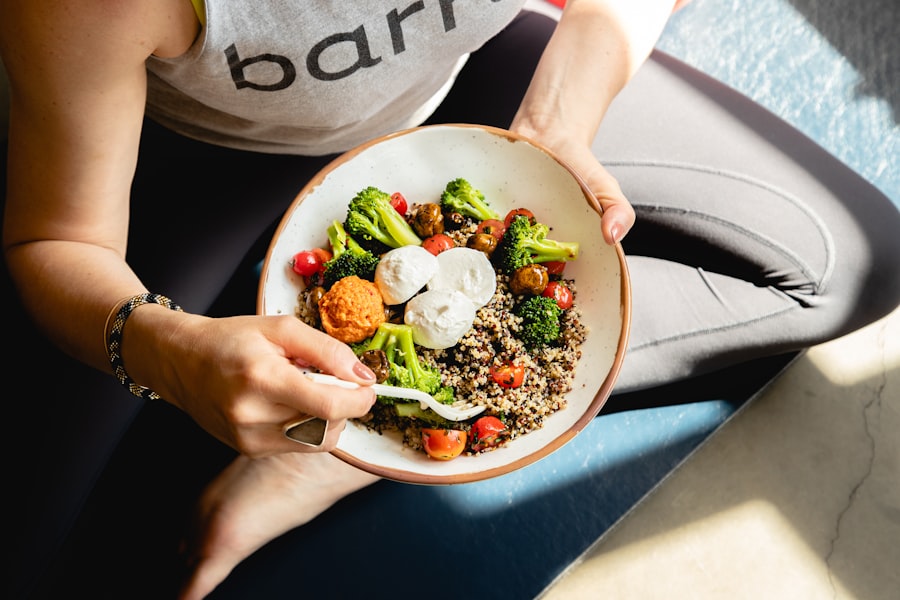
Seniors have specific nutritional needs, including a focus on nutrient-dense foods such as fruits, vegetables, lean proteins, and whole grains. They also require adequate hydration and may need to monitor their intake of certain nutrients such as calcium and vitamin D.
How can seniors ensure food safety when storing and preparing meals?
Seniors can ensure food safety by following proper storage and preparation guidelines, including keeping perishable foods refrigerated, using separate cutting boards for raw meats and produce, and cooking foods to the appropriate temperatures. It’s also important to regularly check expiration dates and properly store leftovers.
What are some common nutrition-related concerns for seniors?
Common nutrition-related concerns for seniors include maintaining a healthy weight, managing chronic conditions such as diabetes or high blood pressure, and addressing potential nutrient deficiencies. Seniors may also face challenges related to appetite changes, dental issues, and medication interactions that can impact their nutritional status.
How can seniors maintain a balanced diet on a budget?
Seniors can maintain a balanced diet on a budget by planning meals in advance, buying in-season produce, purchasing store-brand items, and utilizing coupons or discounts. Additionally, buying in bulk, preparing meals at home, and minimizing food waste can help stretch a budget while still meeting nutritional needs.
What are some tips for promoting healthy eating habits in seniors?
Some tips for promoting healthy eating habits in seniors include involving them in meal planning and preparation, offering a variety of foods to ensure adequate nutrient intake, and encouraging regular physical activity to support overall health. It’s also important to address any barriers to healthy eating, such as limited mobility or access to nutritious foods.