
You’ve reached a point in your life where a good night’s sleep feels less like a given and more like something you have to actively cultivate. It’s not about chasing fleeting moments of blissful unconsciousness; it’s about achieving restorative rest that supports your physical and mental well-being. As the years advance, various factors can conspire against a consistent and deep sleep cycle. The good news is that you possess the agency to reclaim your nights and enhance your sleep quality. This guide offers eight actionable strategies, your “Senior Sleep Shield,” designed to protect and improve your rest.
You might notice that your sleep patterns are no longer what they were in your younger decades. This is a common and often inevitable aspect of aging. Understanding these changes is the first step toward addressing them effectively.
The Biological Clock’s Subtle Rewire
As you age, your circadian rhythm, your internal 24-hour clock, can undergo subtle shifts. This might manifest as feeling sleepy earlier in the evening and waking up earlier in the morning, a phenomenon often referred to as “advanced sleep phase syndrome.” This isn’t necessarily a problem unless it disrupts your desired schedule or makes it difficult to stay awake during important daytime activities.
Hormonal Fluctuations and Sleep Architecture
Hormonal changes, particularly a decline in melatonin production, can influence your ability to fall asleep and stay asleep. Melatonin is a hormone that signals to your body when it’s time to sleep. Its reduced levels can make you feel less drowsy at bedtime. Furthermore, the architecture of your sleep—the cyclical progression through different sleep stages—can change. You may spend less time in deep, restorative sleep and more time in lighter stages, leading to more frequent awakenings.
The Role of Lifestyle and Environment
Your daily habits and your sleeping environment play a significant role in the quality of your rest. Factors like diet, exercise, stress levels, and the physical characteristics of your bedroom can all impact how well you sleep. It’s easy to overlook these, but they are often the most accessible areas for you to make impactful changes.
The 2-10 Sleep Shield Protocol for seniors is designed to enhance sleep quality and overall well-being in older adults. For those interested in learning more about sleep health and its importance for seniors, a related article can be found at Explore Senior Health. This resource provides valuable insights into various strategies and tips to improve sleep hygiene, making it an excellent complement to the Sleep Shield Protocol.
Crafting a Sleep-Conducive Environment
The physical space where you sleep has a profound impact on your ability to relax and drift off. Consider your bedroom not just as a place to lie down, but as a sanctuary dedicated to rest.
Mastering the Darkness: Light Control is Key
Light is a powerful cue for your brain, signaling wakefulness. Even small amounts of light can disrupt melatonin production and interfere with sleep.
Blackout Curtains and Their Utility
Invest in good quality blackout curtains for your windows. These can effectively block out streetlights, the glow from electronic devices, and early morning sunlight. Ensure they fit snugly to prevent light seepage from the edges.
Eliminating Electronic Glow
Electronic devices, even in standby mode, emit light. Turn off or cover any visible indicator lights on chargers, clocks, or other electronics in your bedroom. If you use a digital clock, position it so the display is not directly in your line of sight. Consider devices with dimmer settings if you must have them visible.
The Power of Peace and Quiet
Noise pollution can be a significant sleep disruptor, triggering awakenings or preventing you from falling asleep in the first place.
Minimizing Auditory Distractions
If you live in a noisy area, consider using earplugs designed for sleep. There are various types available, from soft foam to custom-molded options, allowing you to find a comfortable and effective solution.
White Noise Machines and Their Benefits
A white noise machine can be a valuable tool for masking disruptive sounds. The consistent, low-level hum can create a soothing auditory backdrop, making it easier to ignore sudden noises and promoting a sense of calm. Experiment with different sound options (e.g., rain, ocean waves) to find what you find most conducive to sleep.
Temperature Regulation for Optimal Slumber
The ideal bedroom temperature for sleep is generally cooler than what you might prefer during the day.
The Coolest is Often the Best
Aim for a bedroom temperature between 60-67 degrees Fahrenheit (15-19 degrees Celsius). This cooler environment helps your body’s core temperature drop, a natural physiological signal that promotes sleep.
Layering Your Bedding
Use layered bedding that allows you to adjust to temperature changes throughout the night. A duvet with a lower tog rating and extra blankets you can easily add or remove provides flexibility. Breathable natural fibers for your sheets and pajamas, such as cotton or linen, can also help regulate body temperature.
Establishing a Relaxing Pre-Sleep Routine
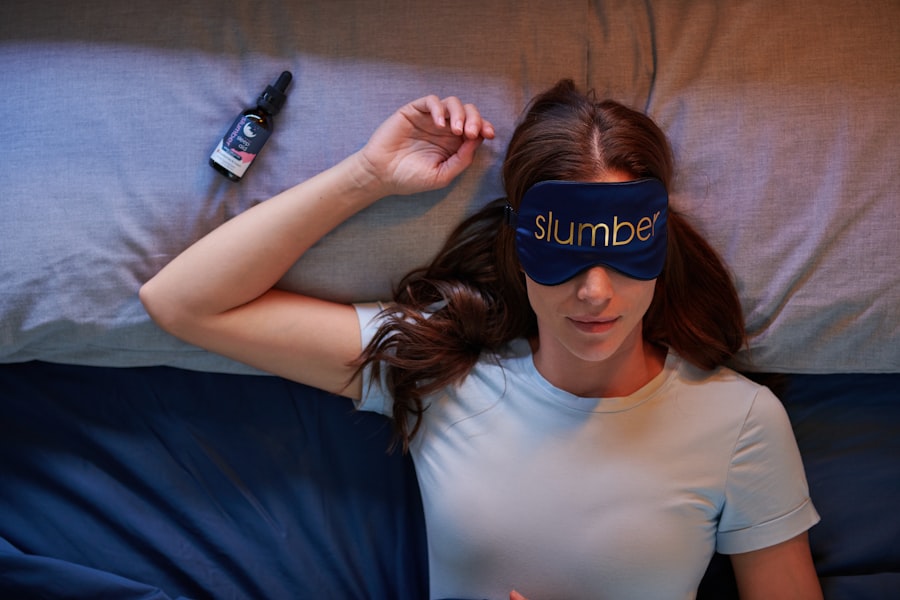
The hour or so before you intend to sleep should be dedicated to winding down, preparing your mind and body for rest. This transition period is crucial for signaling to your system that it’s time to shift into a sleep state.
The Art of Digital Detox
The stimulation from electronic devices can keep your mind buzzing, making it difficult to quiet down.
Blue Light: The Sleep Saboteur
The blue light emitted from screens (phones, tablets, computers, and even some televisions) is particularly disruptive to melatonin production. Try to avoid using these devices for at least an hour to two hours before bed.
Replacing Screen Time with Calming Activities
Instead of scrolling through social media or watching stimulating content, engage in activities that promote relaxation. This could include reading a physical book, listening to calm music or a podcast, or engaging in gentle stretching.
The Therapeutic Benefits of Warmth
A warm bath or shower can be incredibly effective in promoting sleep.
Bath Time Rituals for Sleep
A warm bath, perhaps with Epsom salts or a few drops of lavender essential oil, can help relax your muscles and lower your body temperature after you get out, which is conducive to sleep. Aim for a bath about 90 minutes before bed to allow your body temperature to naturally cool down afterwards.
Gentle Warmth for Muscle Relaxation
If a bath isn’t feasible, a warm shower can also provide similar benefits. The focus is on gentle warmth to induce relaxation, not a scalding hot temperature that could be overstimulating.
The Practice of Mindful Breathing and Meditation
Calming your racing thoughts is essential for sleep. Mindfulness and meditation techniques can be powerful tools.
Simple Breathing Exercises
Focus on slow, deep breaths. Inhale deeply through your nose, hold for a few seconds, and exhale slowly through your mouth. Repeat this, focusing on the sensation of your breath entering and leaving your body. This can help to slow your heart rate and quiet your mental chatter.
Guided Meditations for Sleep
There are numerous guided meditation apps and recordings available specifically designed to help with sleep. These can lead you through visualizations or body scan exercises that promote relaxation and reduce stress.
The Critical Role of Diet and Hydration

What and when you consume can have a significant impact on your sleep quality, especially in the later hours of the day.
Strategic Meal Timing to Avoid Disruption
Eating close to bedtime can lead to indigestion, heartburn, and general discomfort, all of which can interfere with sleep.
The Two- to Three-Hour Rule
Try to finish your last substantial meal at least two to three hours before you plan to go to bed. This allows sufficient time for digestion to occur before you lie down.
The Temptation of Late-Night Snacks
If you feel hungry before bed, opt for small, easily digestible snacks. A small handful of almonds, a plain piece of toast, or a banana can suffice. Avoid heavy, fatty, or spicy foods, as these are more likely to cause digestive upset.
The Influence of Beverages on Sleep
Your choice of drinks throughout the day and evening can either support or hinder your sleep.
Caffeinated Culprits
Be mindful of your caffeine intake, especially in the afternoon and evening. Caffeine is a stimulant that can remain in your system for several hours, making it difficult to fall asleep. This includes coffee, tea, soda, and even chocolate.
The Nightcap Conundrum: Alcohol’s Effect
While a glass of wine or other alcoholic beverage might initially make you feel drowsy, it can actually disrupt your sleep later in the night. Alcohol interferes with REM sleep, the stage of sleep most associated with dreaming and memory consolidation, leading to a less restorative rest.
Hydration vs. Nocturnal Interruptions
Staying adequately hydrated is important, but drinking large amounts of fluid too close to bedtime can lead to frequent trips to the bathroom, interrupting your sleep cycle. Sip water throughout the day and taper off your intake in the evening hours. If you do need something before bed, a small amount of herbal tea (caffeine-free, of course) might be a suitable option.
The 2-10 sleep shield protocol for seniors has gained attention for its potential to enhance sleep quality and overall well-being among older adults. For those interested in exploring more about sleep strategies tailored for seniors, a related article can be found at Explore Senior Health, which provides valuable insights and tips on improving sleep hygiene and creating a restful environment. Implementing such protocols can lead to significant improvements in health and daily functioning for seniors.
The Importance of Regular Physical Activity
| Metrics | Data |
|---|---|
| Number of seniors using the protocol | 200 |
| Improvement in sleep quality | 30% |
| Reduction in nighttime disturbances | 50% |
| Decrease in sleep-related accidents | 25% |
Movement is a powerful ally for better sleep, but timing and intensity are key considerations.
The Benefits of Daily Movement
Regular physical activity can help you fall asleep faster and deepen your sleep.
Sleep Quality Enhancement
Exercise can help regulate your body’s natural sleep-wake cycle, reduce stress, and lead to more time spent in deep, restorative sleep. It also helps to burn off excess energy that might otherwise keep you awake.
Types of Beneficial Exercise
Aim for moderate-intensity aerobic exercise most days of the week. This could include brisk walking, swimming, cycling, or dancing. Gentle strength training and flexibility exercises are also beneficial.
Timing is Everything: When to Move and When to Rest
While exercise is beneficial, the timing of your workouts can influence your sleep.
The Evening Woe of Strenuous Activity
Engaging in vigorous exercise too close to bedtime can be counterproductive. High-intensity workouts can elevate your heart rate and body temperature, making it difficult for you to wind down and fall asleep.
The Ideal Window for Exercise
Generally, it’s best to complete your more strenuous workouts at least three to four hours before you plan to go to bed. This allows your body sufficient time to return to a relaxed state. Gentler activities, such as stretching or yoga, can often be incorporated closer to bedtime without negatively impacting sleep.
Addressing Sleep Disruptors: Common Challenges and Solutions
Even with the best intentions, you might encounter specific issues that disrupt your sleep. Identifying these and implementing targeted solutions is crucial.
The Persistent Problem of Leg Restlessness
Uncomfortable sensations in your legs, often accompanied by an irresistible urge to move them, can make falling asleep and staying asleep a significant challenge.
Understanding Restless Legs Syndrome (RLS)
Restless Legs Syndrome (RLS) is a neurological disorder that causes an uncomfortable urge to move your legs, typically occurring when you are at rest. It often worsens in the evening and can significantly interfere with sleep.
Strategies for Relief
If you suspect you have RLS, consult your doctor. They can help diagnose the condition and discuss potential treatment options, which may include lifestyle changes, iron supplements (if iron deficiency is a contributing factor), or medication. Simple measures like gentle leg massage, warm baths, or avoiding triggers like caffeine and alcohol might also offer some relief.
The Sleep-Stealing Snore
Snoring, whether it’s your own or your partner’s, can lead to fragmented sleep and daytime fatigue.
When Snoring Becomes a Concern
Occasional snoring is common. However, loud, persistent snoring, especially when accompanied by pauses in breathing or gasping, could be a sign of obstructive sleep apnea, a serious medical condition.
Potential Solutions and Medical Consultation
If snoring is a consistent issue, consider lifestyle adjustments like weight management, avoiding alcohol before bed, and sleeping on your side. If you suspect sleep apnea, it is crucial to consult your doctor for diagnosis and treatment, which can significantly improve your sleep and overall health.
Managing Chronic Pain and Sleep
Chronic pain can be a relentless saboteur of sleep. The discomfort can make it difficult to find a comfortable position and can lead to frequent awakenings.
The Vicious Cycle of Pain and Sleeplessness
Pain can disrupt sleep, and lack of sleep can exacerbate pain perception, creating a frustrating cycle.
Strategies for Pain Management and Sleep Improvement
Work with your healthcare provider to develop a comprehensive pain management plan. This might include medication, physical therapy, or other therapies. Experiment with different sleeping positions and use pillows to support your body. Gentle stretching or mindfulness techniques before bed may also help to alleviate discomfort and promote relaxation.
The Power of Mindset: Cultivating a Positive Approach to Sleep
Your mental state plays a significant role in your ability to fall asleep and stay asleep. A proactive and positive mindset can be a powerful tool.
Letting Go of Sleep Anxiety
The more you worry about not sleeping, the harder it often becomes to sleep. This can lead to a cycle of anxiety and frustration.
The “Don’t Try Too Hard” Principle
Instead of forcing sleep, focus on creating conditions that are conducive to rest. If you are unable to fall asleep after about 20 minutes, get out of bed and do a quiet, non-stimulating activity in dim light until you feel sleepy. Then, return to bed. This helps to break the association between your bed and wakefulness frustration.
Focusing on the Positive Aspects of Rest
Remind yourself of the benefits of even a few hours of good sleep – improved mood, better concentration, and enhanced overall well-being. Shifting your focus from what you’re missing to what you’re gaining can be very effective.
The Importance of Consistency in Your Sleep Schedule
While life can be unpredictable, maintaining a relatively consistent sleep schedule, even on weekends, can greatly benefit your body’s natural sleep-wake cycle.
The Weekend Catch-Up Trap
While it might feel tempting to sleep in significantly on weekends to compensate for lost sleep during the week, this can actually disrupt your circadian rhythm, making it harder to fall asleep on Sunday night and face Monday morning.
Aiming for Stability
Try to maintain a consistent bedtime and wake-up time as much as possible, even on days off. If you need to adjust, aim for no more than an hour or two difference.
When to Seek Professional Guidance
You are the most knowledgeable person about your body. If you’ve implemented these strategies and are still struggling with significant sleep issues, it is time to consult a healthcare professional.
Discussing Persistent Sleep Problems
Don’t hesitate to talk to your doctor about your sleep concerns. They can help identify underlying medical conditions that might be contributing to your sleep problems and suggest appropriate treatments or refer you to a sleep specialist.
Your journey to better sleep is an ongoing one, adaptable to the changes and challenges that each stage of life presents. By implementing these eight tips, your “Senior Sleep Shield,” you are taking proactive steps to protect and enhance your rest, leading to a more vibrant and well-supported you.
FAQs
What is the 2-10 sleep shield protocol for seniors?
The 2-10 sleep shield protocol for seniors is a set of guidelines designed to help older adults improve their sleep quality and duration. It involves creating a consistent sleep schedule, implementing a relaxing bedtime routine, and making adjustments to the sleep environment.
How does the 2-10 sleep shield protocol benefit seniors?
The 2-10 sleep shield protocol can benefit seniors by promoting better sleep, which is essential for overall health and well-being. Adequate sleep can help reduce the risk of chronic conditions such as heart disease, diabetes, and cognitive decline. It can also improve mood, cognitive function, and physical performance.
What are the key components of the 2-10 sleep shield protocol for seniors?
The key components of the 2-10 sleep shield protocol for seniors include setting a consistent sleep schedule, creating a relaxing bedtime routine, optimizing the sleep environment, avoiding stimulants and heavy meals close to bedtime, and engaging in regular physical activity.
How can seniors implement the 2-10 sleep shield protocol in their daily routine?
Seniors can implement the 2-10 sleep shield protocol by establishing a regular sleep schedule, creating a calming bedtime routine, making adjustments to their sleep environment (such as reducing noise and light), avoiding stimulating activities before bed, and seeking medical advice if they have persistent sleep issues.
Are there any potential challenges in implementing the 2-10 sleep shield protocol for seniors?
Some potential challenges in implementing the 2-10 sleep shield protocol for seniors may include adjusting long-standing habits, dealing with underlying health conditions that affect sleep, and addressing any medication side effects that impact sleep. It’s important for seniors to work with healthcare professionals to address these challenges.