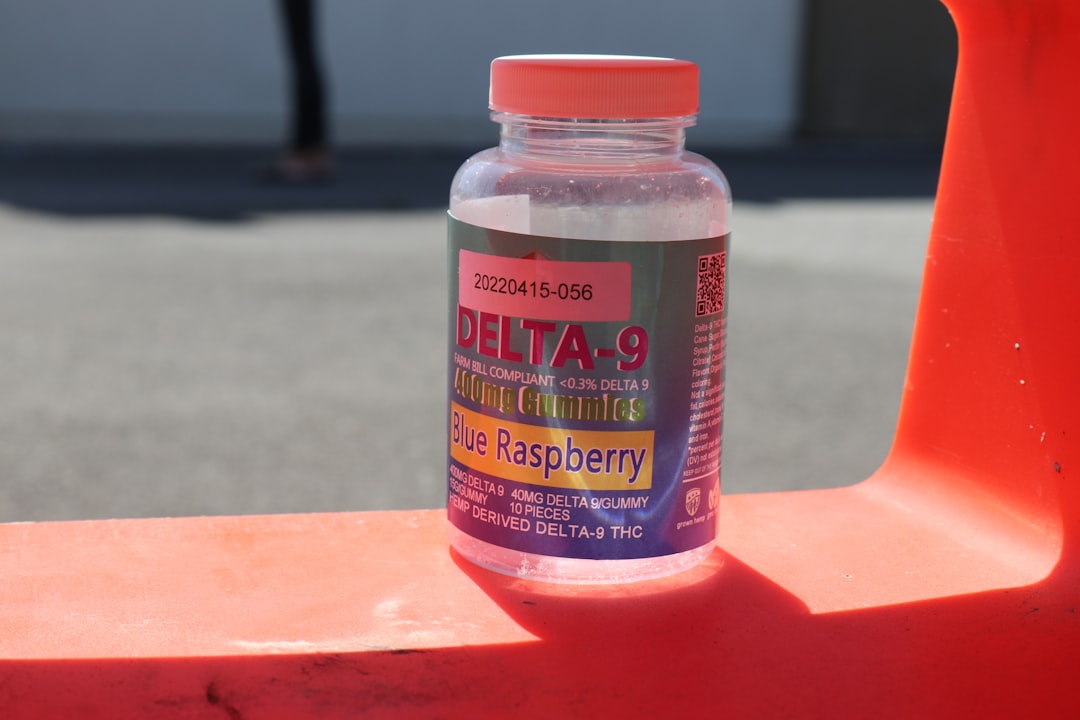
You’ve reached an age where proactive health management feels less like a suggestion and more like a necessity. You’ve likely seen the advertisements, heard the testimonials, and possibly even received recommendations from friends or family. The world of dietary supplements for seniors is vast, promising everything from enhanced vitality and sharper memory to stronger bones and a more robust immune system. It’s easy to get swept up in the allure of a quick fix, a magical potion that can somehow rewind the clock or mitigate the inevitable wear and tear of aging. However, this enthusiasm can quickly lead you into a costly and potentially harmful trap: the senior supplement trap. This article aims to equip you with the knowledge and strategies to navigate this complex landscape, ensuring you make informed decisions that genuinely benefit your health, rather than simply lining someone else’s pockets.
Understanding the Lure and the Reality
The senior supplement market is meticulously crafted to tap into specific desires and anxieties associated with aging. Stories of individuals regaining lost energy, experiencing dramatic physical improvements, or reversing cognitive decline are potent marketing tools. You might be told that a specific nutrient is essential for your age group and that your modern diet, no matter how balanced, is insufficient. This often leads to a sense of urgency and a belief that supplementation is not just helpful, but critical.
The Promise of Youthful Vitality
You’re likely seeking to maintain or regain a level of energy and physical capability that feels diminished. This desire for sustained vitality is understandable. Advertisements often feature vibrant, active seniors engaging in activities you aspire to. They promise that a few pills can unlock this hidden energy source, allowing you to enjoy your golden years with vigor.
The Fear of Decline
Conversely, there’s also the fear of cognitive and physical decline. You might worry about memory lapses, joint pain, or a weakened immune system leaving you vulnerable. Supplements are presented as a shield against these inevitable aspects of aging, a way to proactively combat potential problems before they manifest severely.
The “Natural” Appeal
Many supplements are marketed as “natural,” implying they are inherently safe and beneficial. While some ingredients are derived from natural sources, the concept of “natural” does not automatically equate to “safe” or “effective,” especially when processed, concentrated, and combined in specific formulations.
The Economic Reality
Let’s be direct: the senior supplement industry is a multi-billion dollar enterprise. While some individuals may genuinely benefit from certain supplements, a significant portion of the market thrives on selling products with little to no proven efficacy for the general senior population. Your hard-earned retirement funds might be better allocated elsewhere if your supplement regimen isn’t backed by solid science.
As seniors navigate the complex world of dietary supplements, it’s crucial to be informed about how to avoid falling into the supplement trap. A helpful resource on this topic can be found in the article titled “How to Avoid the Supplement Trap for Seniors,” which offers practical tips and insights. For more detailed information, you can read the article here: How to Avoid the Supplement Trap for Seniors. This guide emphasizes the importance of consulting healthcare professionals and understanding the potential risks associated with unnecessary supplements.
Recognizing the Red Flags
Navigating the supplement market requires a discerning eye and a healthy dose of skepticism. Not all claims are created equal, and many are designed to exploit your desire for better health. Becoming adept at spotting these warning signs is crucial to avoiding unnecessary expenditure and potential health risks.
Unrealistic Claims and Guarantees
This is perhaps the most obvious red flag. If a supplement promises to cure diseases, reverse aging, or guarantee dramatic, widespread health improvements, proceed with extreme caution. Legitimate health professionals and scientifically-backed products rarely make such sweeping, unsubstantiated claims. Look for language that suggests “support” or “may contribute to” rather than “cures” or “eliminates.”
“Miracle” Cures and Disease Reversals
Be wary of any product that claims to cure or significantly reverse conditions like Alzheimer’s, arthritis, heart disease, or cancer. These are complex medical issues that require professional medical intervention. Supplements are not a substitute for medical treatment.
Guaranteed Dramatic Results
While some individuals might experience noticeable improvements, the consistent offering of dramatic, guaranteed results for everyone is a sign of aggressive marketing rather than scientific validation. Individual responses to any intervention, including supplements, vary widely.
Lack of Scientific Evidence or Supporting Studies
Reputable supplements often have scientific literature backing their claims. However, many senior-focused supplements rely on anecdotal evidence, testimonials, or studies that are poorly designed, biased, or conducted on animals rather than humans. You should be able to find peer-reviewed research supporting the claimed benefits.
Absence of Peer-Reviewed Human Trials
Many supplements are promoted based on preliminary research, animal studies, or in-vitro experiments. What works in a petri dish or in a rat may not translate to humans, especially seniors with unique physiological needs. Seek out studies published in reputable scientific journals that involve human subjects.
Cherry-Picking Data and Misinterpreting Research
Some companies may highlight positive findings from a small number of studies while ignoring a larger body of contradictory or inconclusive research. They might also misrepresent the significance or applicability of the research to their specific product.
High-Pressure Sales Tactics and Limited-Time Offers
If you feel pressured to buy immediately, that’s a major warning sign. Scammers often create artificial urgency to prevent you from doing your due diligence or seeking a second opinion. “Buy now or miss out!” and “This offer is only available for the next 24 hours!” are common tactics.
The “Act Now” Mandate
Legitimate health solutions don’t typically rely on creating a sense of panic. If you’re being pushed into a decision without adequate time for research or consultation, it’s a sign that the seller is more interested in your money than your well-being.
Exclusive or Expensive Packages
Be cautious of offers that bundle multiple products together with the promise of synergistic effects, often at a premium price. These packages are often designed to increase your overall spending without necessarily providing greater health benefits.
Vague or Undisclosed Ingredients
You have a right to know exactly what you’re putting into your body. If a product’s ingredient list is vague, uses proprietary blends that obscure individual dosages, or omits crucial information, it’s a red flag. The concentration and purity of ingredients are also important.
Proprietary Blends Hiding Dosages
Companies use proprietary blends to protect their formulations, but this can also be a way to hide the fact that the active ingredients are present in very small, potentially ineffective amounts. You should know the exact dosage of each ingredient.
Unidentified or “Exotic” Ingredients
While novelty can be appealing, be skeptical of supplements that rely on obscure or unresearched ingredients. While some may eventually prove beneficial, others could be ineffective, interact with medications, or have unknown side effects.
The Crucial Role of Your Doctor
When considering any supplement, your primary point of contact for health advice should always be your physician or a qualified healthcare professional. They possess the knowledge of your individual health profile, current medications, and potential risks that an online advertisement or salesperson simply cannot replicate.
Your Health History as the Guiding Principle
Your doctor understands your medical history, including any pre-existing conditions, allergies, and contraindications. This information is paramount when evaluating the safety and appropriateness of any supplement.
Existing Medical Conditions
Certain supplements can exacerbate existing conditions. For instance, some herbal remedies can affect blood pressure or blood sugar levels, which can be dangerous for individuals with cardiovascular disease or diabetes.
Current Medications and Potential Interactions
This is a critical concern. Supplements can interact with prescription and over-the-counter medications in ways that can be dangerous. Some can decrease the effectiveness of your medication, while others can increase the risk of side effects. Never assume a supplement is safe to take alongside your prescribed drugs without consulting your doctor.
Evidence-Based Recommendations, Not Marketing Hype
Doctors are trained to rely on scientific evidence when making recommendations. They can help you distinguish between well-researched supplements with proven benefits and those with little to no scientific backing.
Distinguishing Between Evidence and Anecdote
Your doctor can help you understand the quality of evidence supporting a supplement’s claims. They can interpret research findings and explain whether the claims are based on robust scientific data or mere speculation.
Personalized Needs vs. Generic Solutions
Supplements are often marketed as one-size-fits-all solutions. Your doctor can assess whether you genuinely have a nutritional deficiency and if supplementation is the most appropriate and effective way to address it, or if dietary changes would be more beneficial.
Blood Tests and Nutritional Deficiencies
Sometimes, a supplement is recommended because a blood test reveals a specific deficiency. In such cases, supplementation can be a targeted and effective intervention. Your doctor can order these tests and interpret the results.
Identifying True Deficiencies
A blood test can confirm if you are truly lacking a certain nutrient. Relying on supplements without knowing if you have a deficiency is often unnecessary and can even be harmful.
Tracking Progress and Effectiveness
If you do start a supplement, your doctor can help monitor its effectiveness and adjust dosages or recommend alternatives based on your progress and any observed side effects.
Informed Decision-Making: Becoming a Savvy Consumer
Empowering yourself with knowledge is your best defense against falling into the senior supplement trap. It’s about shifting from passive acceptance of marketing messages to active, critical evaluation of what you’re being sold.
Researching Ingredients and Their Efficacy
Don’t just take the product’s word for it. Arm yourself with information about the active ingredients. Explore reputable sources for scientific research on their benefits and risks.
Reputable Scientific Databases
Websites like PubMed, Google Scholar, and the National Institutes of Health (NIH) provide access to a vast library of peer-reviewed scientific articles. Look for studies specifically on seniors and the conditions the supplement purports to address.
Understanding Dosage and Bioavailability
The effectiveness of a supplement hinges on both the dosage and how well your body can absorb and utilize the active ingredients (bioavailability). A product might contain a beneficial ingredient but in such a low dose or in a form that your body cannot effectively process.
Being Wary of “Doctor Recommended” Labels
Just because a label says “doctor recommended” or even features a picture of a doctor, it doesn’t automatically mean the product is scientifically sound or has been endorsed by a broad consensus of medical professionals. Often, these endorsements are paid promotions.
Paid Endorsements vs. Genuine Medical Advice
Distinguish between genuine, evidence-based recommendations from your personal physician and marketing ploys that use the authority of “doctors” to sell products. Always verify such claims with your own doctor.
Manufacturer-Sponsored “Studies”
Be skeptical of studies funded or conducted solely by the supplement manufacturer. These studies may be designed to produce favorable results, and independent research might yield different conclusions.
Reading the Fine Print and Understanding Return Policies
Before purchasing, take the time to read all the information provided, including the fine print. Understand the terms and conditions, especially regarding refunds and recurring charges.
Subscription Traps and Auto-Renewals
Many supplement companies utilize subscription models where your credit card is automatically charged for recurring shipments. Make sure you understand how to cancel these subscriptions if you decide to stop using the product.
Understanding Refund Policies
If a product doesn’t work or you have concerns, understand the company’s return policy. Do they offer full refunds? Are there restocking fees? A company that makes it difficult to get a refund may have less confidence in their own product.
Seniors often find themselves overwhelmed by the myriad of dietary supplements available, which can lead to confusion and potential health risks. To navigate this landscape and avoid falling into the supplement trap, it’s essential to stay informed about the best practices for nutritional health. A helpful resource on this topic can be found in a related article that discusses practical strategies for seniors to make informed choices about their supplements. You can read more about it here. By understanding the importance of consulting healthcare professionals and focusing on a balanced diet, seniors can enhance their well-being without unnecessary reliance on supplements.
Building a Healthy Lifestyle: The True Foundation
While supplements may play a minor role for some individuals with specific deficiencies, they are never a substitute for a healthy lifestyle. Focusing on the fundamentals of good health will yield far more significant and lasting benefits.
Balanced Nutrition: The Primary Source of Nutrients
Your diet should be your first line of defense for obtaining essential vitamins and minerals. A diet rich in fruits, vegetables, whole grains, and lean proteins provides a comprehensive array of nutrients that work synergistically.
Whole Foods are Key
Prioritize nutrient-dense whole foods over processed options. These foods offer not just isolated vitamins but also fiber, antioxidants, and other beneficial compounds that supplements often lack.
Addressing Dietary Gaps Through Food
If you identify specific nutrient gaps, explore how to address them through dietary modifications before reaching for supplements. A registered dietitian can be invaluable in this process.
Regular Physical Activity and Exercise
Exercise is crucial for maintaining muscle mass, bone density, cardiovascular health, and cognitive function. It plays a far more significant role in promoting vitality than any pill.
Strength Training for Bone and Muscle Health
Weight-bearing exercises are essential for combating age-related loss of bone density and muscle mass, two common concerns for seniors.
Aerobic Exercise for Cardiovascular and Cognitive Function
Activities like walking, swimming, or cycling improve heart health, boost circulation, and have well-documented benefits for brain health and cognitive function.
Adequate Sleep and Stress Management
Chronic stress and lack of sleep can have profound negative impacts on your health, far outweighing any potential benefits from supplements. Prioritize good sleep hygiene and develop effective stress-reduction techniques.
The Impact of Sleep Deprivation
Poor sleep can affect mood, cognitive function, immune health, and even appetite regulation. Ensuring you get sufficient, quality sleep is paramount.
Stress Reduction Techniques
Mindfulness, meditation, yoga, spending time in nature, or engaging in enjoyable hobbies can all contribute to effective stress management.
Social Engagement and Mental Stimulation
Maintaining social connections and keeping your mind active are vital for overall well-being and can contribute to cognitive health as much as, or even more than, certain supplements marketed for brain function.
Combating Isolation
Social interaction provides emotional support, reduces feelings of loneliness, and offers opportunities for mental engagement.
Lifelong Learning and Cognitive Exercises
Engaging in activities that challenge your brain, such as puzzles, learning a new skill, or reading, helps maintain cognitive sharpness.
Conclusion: Empowering Your Health Journey
The senior supplement market can be a minefield, but by arming yourself with information, maintaining a healthy skepticism, and prioritizing evidence-based approaches, you can successfully navigate it. Remember that your health is a complex interplay of genetics, lifestyle, diet, and medical care. Supplements, at best, are a small piece of that puzzle, and their use should always be a conscious, informed decision made in consultation with your healthcare provider. By focusing on the proven pillars of health – nutrition, exercise, sleep, and mental well-being – you are investing in your vitality and longevity in a far more impactful and sustainable way. Don’t fall for the quick fixes; invest in your well-being through lasting, healthy habits.
FAQs
What is the supplement trap for seniors?
The supplement trap for seniors refers to the potential pitfalls of relying too heavily on dietary supplements to meet nutritional needs, which can lead to unnecessary expenses and potential health risks.
Why is it important for seniors to be cautious about supplements?
Seniors are more vulnerable to potential side effects and interactions with medications due to age-related changes in metabolism and organ function. It’s important for seniors to be cautious about supplements to avoid potential harm to their health.
What are some common pitfalls of relying on supplements for seniors?
Common pitfalls of relying on supplements for seniors include unnecessary expenses, potential interactions with medications, and the risk of exceeding safe levels of certain nutrients.
How can seniors avoid the supplement trap?
Seniors can avoid the supplement trap by focusing on a balanced diet that includes a variety of nutrient-dense foods, consulting with a healthcare professional before starting any new supplements, and being cautious of exaggerated claims made by supplement manufacturers.
What are some alternative ways for seniors to meet their nutritional needs?
Seniors can meet their nutritional needs by consuming a well-balanced diet that includes a variety of fruits, vegetables, whole grains, lean proteins, and healthy fats. Additionally, staying hydrated and engaging in regular physical activity can also support overall health and well-being.