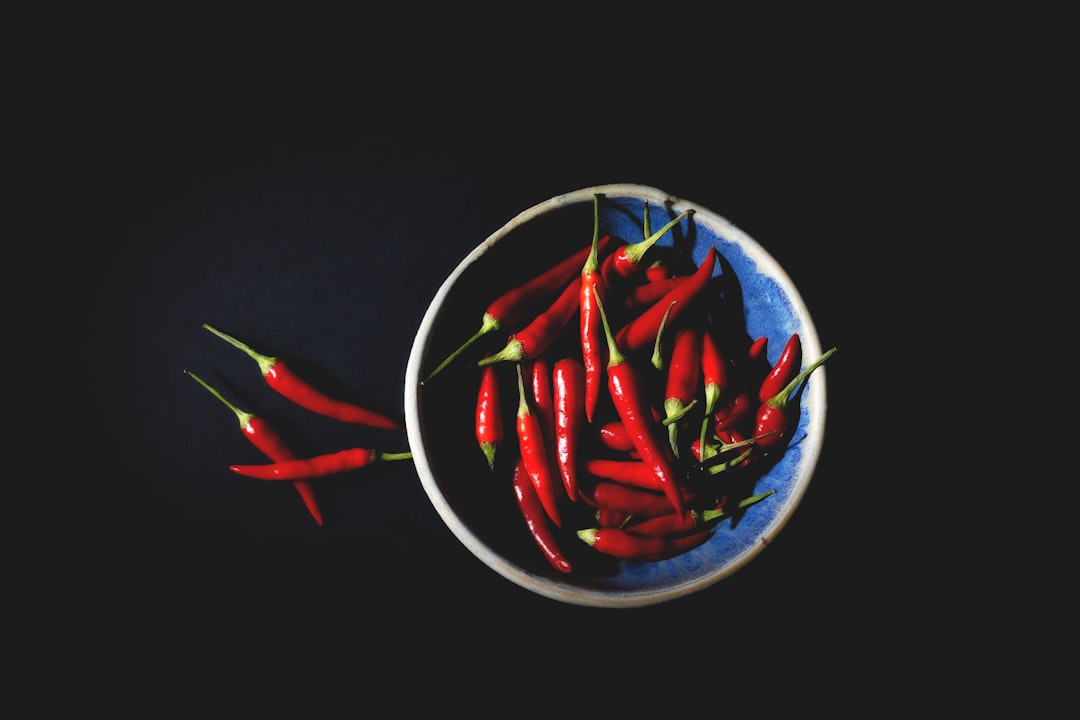
Capsaicin is the active compound found in chili peppers that gives them their characteristic heat. This pungent substance is a member of the capsaicinoid family and is primarily concentrated in the pepper’s placental tissue, which is the white pith that holds the seeds. When you bite into a spicy pepper, capsaicin binds to the TRPV1 receptors in your mouth, sending signals to your brain that interpret the sensation as heat or spiciness.
This unique interaction not only contributes to the flavor profile of various cuisines but also has sparked interest in its potential health benefits. Beyond its culinary uses, capsaicin has been studied for its various pharmacological properties. It has been shown to possess analgesic, anti-inflammatory, and antioxidant effects, making it a subject of interest in both traditional and modern medicine.
As you explore the world of capsaicin, you may find that its applications extend far beyond just adding spice to your meals; it could play a significant role in promoting overall health, particularly concerning gut health.
Key Takeaways
- Capsaicin is the active component in chili peppers that gives them their heat.
- Capsaicin can affect the gut by increasing gastric acid secretion and promoting the release of substance P, which can lead to symptoms like heartburn and indigestion.
- There is a potential link between capsaicin and improved digestive health, as it may help to increase blood flow to the stomach and improve nutrient absorption.
- Potential benefits of capsaicin for gut health include its ability to reduce inflammation and potentially protect against certain gastrointestinal conditions.
- Potential risks of capsaicin for gut health include its potential to exacerbate symptoms in individuals with conditions like irritable bowel syndrome (IBS) and gastric ulcers.
How Capsaicin Affects the Gut
When you consume capsaicin, it travels through your digestive system and interacts with various components of your gut. One of the most notable effects is its ability to stimulate the production of gastric juices, which can aid in digestion. This increased secretion can help break down food more efficiently, potentially leading to improved nutrient absorption.
However, this stimulation can also lead to discomfort for some individuals, especially if consumed in large quantities. Moreover, capsaicin has been shown to influence gut motility, which refers to the contractions of the muscles in your gastrointestinal tract. By enhancing motility, capsaicin may help prevent constipation and promote regular bowel movements.
However, for some people, particularly those with sensitive digestive systems, this increased motility can result in cramping or diarrhea. Understanding how capsaicin affects your gut can help you make informed choices about incorporating it into your diet.
The Link Between Capsaicin and Digestive Health
The relationship between capsaicin and digestive health is complex and multifaceted. Research suggests that capsaicin may have protective effects against certain gastrointestinal disorders. For instance, it has been linked to a reduced risk of developing gastric ulcers by promoting the secretion of protective mucus in the stomach lining.
This protective barrier can help shield your stomach from harmful substances and reduce inflammation. Additionally, capsaicin’s ability to modulate gut microbiota is gaining attention as a potential factor in digestive health. A balanced gut microbiome is essential for optimal digestion and overall well-being.
By influencing the composition of gut bacteria, capsaicin may contribute to a healthier digestive environment. As you delve deeper into the connection between capsaicin and digestive health, you may discover that this compound offers more than just a fiery kick to your meals; it could be a valuable ally in maintaining a healthy gut.
Potential Benefits of Capsaicin for Gut Health
| Benefit | Details |
|---|---|
| Anti-inflammatory properties | May help reduce inflammation in the gut |
| Improved digestion | May aid in digestion and alleviate digestive issues |
| Enhanced gut microbiota | May promote the growth of beneficial gut bacteria |
| Reduced risk of ulcers | May help protect the stomach lining and reduce the risk of ulcers |
Incorporating capsaicin into your diet may offer several potential benefits for gut health. One of the most significant advantages is its anti-inflammatory properties. Chronic inflammation in the gut can lead to various digestive disorders, including inflammatory bowel disease (IBD).
Capsaicin’s ability to reduce inflammation may help alleviate symptoms associated with these conditions and promote healing within the gastrointestinal tract. Furthermore, capsaicin has been associated with weight management and metabolic health. Some studies suggest that it may enhance fat oxidation and increase energy expenditure, which can be beneficial for those looking to maintain a healthy weight.
A balanced weight can positively impact gut health by reducing the risk of obesity-related digestive issues.
Potential Risks of Capsaicin for Gut Health
While capsaicin offers numerous potential benefits, it is essential to be aware of its risks as well. For some individuals, particularly those with sensitive stomachs or pre-existing gastrointestinal conditions, consuming capsaicin can lead to discomfort or exacerbate symptoms. This includes heartburn, acid reflux, or even gastritis in some cases.
If you find that spicy foods consistently cause you distress, it may be wise to limit your intake of capsaicin-rich foods. Additionally, excessive consumption of capsaicin can lead to gastrointestinal distress, including nausea and diarrhea. Moderation is key when incorporating spicy foods into your diet.
It’s crucial to listen to your body and adjust your intake accordingly. By being mindful of how capsaicin affects you personally, you can enjoy its benefits while minimizing any potential risks.
Capsaicin and Inflammation in the Gut
Inflammation plays a significant role in many gastrointestinal disorders, and capsaicin’s anti-inflammatory properties have garnered attention in this context. Research indicates that capsaicin may inhibit the production of pro-inflammatory cytokines, which are molecules that promote inflammation in the body. By reducing inflammation in the gut, capsaicin could potentially alleviate symptoms associated with conditions like IBD or irritable bowel syndrome (IBS).
Moreover, capsaicin’s ability to modulate immune responses may further contribute to its anti-inflammatory effects. A balanced immune response is crucial for maintaining gut health and preventing chronic inflammation. As you explore the relationship between capsaicin and inflammation in the gut, you may find that this compound offers a natural approach to managing inflammatory conditions and promoting overall digestive wellness.
Capsaicin and Gut Microbiota
The gut microbiota consists of trillions of microorganisms that play a vital role in digestion and overall health. Recent studies suggest that capsaicin may influence the composition and diversity of gut bacteria positively. A healthy microbiome is essential for optimal digestion, immune function, and even mental health.
By promoting beneficial bacteria while inhibiting harmful strains, capsaicin could contribute to a balanced gut environment. Furthermore, certain strains of gut bacteria are known to metabolize capsaicin, producing beneficial compounds that can enhance gut health further. This symbiotic relationship between capsaicin and gut microbiota highlights the importance of dietary choices in shaping your microbiome.
As you consider incorporating more spicy foods into your diet, remember that you’re not just adding flavor; you’re also potentially nurturing a healthier gut ecosystem.
Capsaicin and Irritable Bowel Syndrome (IBS)
Irritable bowel syndrome (IBS) is a common gastrointestinal disorder characterized by symptoms such as abdominal pain, bloating, and altered bowel habits. While dietary triggers vary from person to person, some individuals with IBS report that spicy foods exacerbate their symptoms. However, emerging research suggests that capsaicin may have a dual role in managing IBS symptoms.
On one hand, capsaicin’s ability to stimulate digestion and promote gut motility could benefit some individuals with IBS who experience constipation as a predominant symptom. On the other hand, those with IBS-D (diarrhea-predominant) may find that spicy foods worsen their condition. If you have IBS or suspect you might have it, it’s essential to monitor how your body responds to capsaicin and adjust your diet accordingly.
Capsaicin and Gastric Ulcers
Gastric ulcers are painful sores that develop on the lining of the stomach due to factors such as excessive acid production or infection with Helicobacter pylori bacteria. Interestingly, research indicates that capsaicin may have protective effects against gastric ulcers by promoting mucus secretion and enhancing blood flow to the stomach lining. This protective barrier can help shield your stomach from harmful substances and reduce the risk of ulcer formation.
However, it’s important to note that while moderate consumption of capsaicin may offer protective benefits, excessive intake could lead to irritation or exacerbate existing ulcers. If you have a history of gastric ulcers or are currently experiencing symptoms, it’s advisable to consult with a healthcare professional before significantly increasing your intake of spicy foods.
Capsaicin and Gut Health in Different Populations
The effects of capsaicin on gut health can vary significantly among different populations due to factors such as genetics, diet, and lifestyle. For instance, individuals from cultures where spicy foods are a dietary staple often develop a higher tolerance for capsaicin compared to those who consume it infrequently. This tolerance can influence how capsaicin affects their digestive systems.
Moreover, certain populations may have specific genetic variations that affect their sensitivity to spicy foods or their ability to metabolize capsaicin effectively. Understanding these differences can provide valuable insights into how best to incorporate capsaicin into your diet based on your unique background and health status.
Incorporating Capsaicin into a Gut-Healthy Diet
If you’re interested in reaping the potential benefits of capsaicin for gut health, there are several ways to incorporate it into your diet without overwhelming your palate. Start by gradually introducing spicy foods into your meals; this allows your taste buds—and digestive system—to adjust over time. You might begin with milder peppers like jalapeños or poblano peppers before progressing to hotter varieties like habaneros or ghost peppers.
Consider adding fresh chili peppers or chili powder to soups, stews, or stir-fries for an extra kick of flavor while enhancing digestion. You can also experiment with homemade sauces or salsas that feature fresh peppers as a base ingredient. Additionally, if you’re not keen on spicy foods but still want to enjoy the benefits of capsaicin, consider exploring supplements that contain standardized doses of this compound.
In conclusion, capsaicin is more than just a spice; it has the potential to impact your gut health positively when consumed mindfully. By understanding how it affects digestion and inflammation while being aware of its risks, you can make informed choices about incorporating this fiery compound into your diet for better overall well-being.
While some studies suggest that capsaicin can irritate the stomach lining and exacerbate conditions like gastritis, others propose that it may have protective effects against certain gastrointestinal diseases. For those interested in exploring the broader implications of dietary choices on health, an article on