
Fatty liver disease, particularly non-alcoholic fatty liver disease (NAFLD), is a growing concern among seniors. This condition occurs when excess fat accumulates in the liver, leading to inflammation and potential liver damage. As you age, your body undergoes various changes that can increase the risk of developing this condition, including metabolic slowdowns and hormonal shifts.
Understanding the implications of fatty liver disease is crucial for maintaining your overall health and well-being. It’s essential to recognize that while fatty liver disease can be serious, it is often manageable through lifestyle changes, particularly diet and exercise. The symptoms of fatty liver disease can be subtle and may include fatigue, discomfort in the upper right abdomen, and unexplained weight loss.
However, many individuals may not experience noticeable symptoms until the disease progresses. This makes it vital for you to be proactive about your health, especially if you have risk factors such as obesity, diabetes, or high cholesterol. Regular check-ups with your healthcare provider can help catch any issues early on, allowing you to take action before more severe complications arise.
Key Takeaways
- Fatty liver disease is common in seniors and can lead to serious health issues if not managed properly.
- Regular exercise, including walking, is crucial for seniors with fatty liver disease to improve liver health and overall well-being.
- Walking offers numerous benefits for seniors with fatty liver, including improved liver function, weight management, and reduced risk of other health complications.
- Seniors can start a walking routine by setting achievable goals, wearing comfortable shoes, and gradually increasing their walking time and intensity.
- Making walking safe and enjoyable for seniors with fatty liver involves staying hydrated, choosing safe walking routes, and being mindful of any physical limitations.
The Importance of Exercise for Seniors with Fatty Liver
Exercise plays a pivotal role in managing fatty liver disease, especially for seniors. Engaging in regular physical activity can help reduce liver fat, improve insulin sensitivity, and promote overall metabolic health. As you age, maintaining an active lifestyle becomes increasingly important not only for managing fatty liver but also for enhancing your quality of life.
Exercise can help combat the natural decline in muscle mass and strength that often accompanies aging, making it a vital component of your daily routine. Moreover, exercise can significantly improve your mood and mental health. Many seniors experience feelings of isolation or depression, particularly if they are dealing with chronic health issues like fatty liver disease.
Physical activity releases endorphins, which can elevate your mood and provide a sense of accomplishment. By incorporating exercise into your life, you not only work towards better liver health but also foster a more positive outlook on life.
Benefits of Walking for Seniors with Fatty Liver
Walking is one of the most accessible forms of exercise for seniors, making it an excellent choice for those managing fatty liver disease. It requires no special equipment or gym membership and can be done almost anywhere. One of the primary benefits of walking is its low impact on the joints, which is particularly important as you age.
This means you can engage in this activity without putting undue stress on your body, making it a sustainable option for long-term health. Additionally, walking can help you burn calories and reduce body fat, which is crucial for managing fatty liver disease. Studies have shown that even moderate walking can lead to significant improvements in liver health markers.
As you walk regularly, you may notice improvements in your energy levels and overall fitness, which can motivate you to continue this healthy habit. The simplicity and effectiveness of walking make it an ideal exercise choice for seniors looking to improve their health.
How to Start a Walking Routine for Seniors with Fatty Liver
| Week | Distance (miles) | Duration (minutes) | Intensity (perceived exertion) |
|---|---|---|---|
| 1 | 1.5 | 20 | Low |
| 2 | 2 | 25 | Low |
| 3 | 2.5 | 30 | Low |
| 4 | 3 | 35 | Low |
Starting a walking routine may seem daunting at first, but it can be broken down into manageable steps. Begin by setting realistic goals that align with your current fitness level.
Gradually increase the duration and intensity as your fitness improves. This gradual approach helps prevent injury and ensures that you remain motivated as you see progress. Consider incorporating walking into your daily routine by choosing opportunities to walk whenever possible.
For instance, you might park further away from store entrances or take the stairs instead of the elevator. Additionally, finding a walking buddy can make the experience more enjoyable and provide accountability. Whether it’s a friend, family member, or even a pet, having someone to walk with can enhance your motivation and make the activity more social.
Tips for Making Walking Safe and Enjoyable for Seniors with Fatty Liver
Safety should always be a priority when starting any new exercise routine. To ensure that your walking experience is both safe and enjoyable, choose appropriate footwear that provides support and cushioning. Well-fitted shoes can help prevent blisters and discomfort during your walks.
Additionally, consider wearing comfortable clothing that allows for ease of movement and is suitable for the weather conditions. It’s also essential to listen to your body while walking. If you experience pain or discomfort, don’t hesitate to take a break or adjust your pace.
Staying hydrated is crucial, especially if you’re walking in warmer weather. Carrying a water bottle with you can help ensure that you remain hydrated throughout your walk. Lastly, consider varying your walking routes to keep things interesting; exploring new paths or parks can make each walk feel like an adventure.
Incorporating Strength Training with Walking for Seniors with Fatty Liver

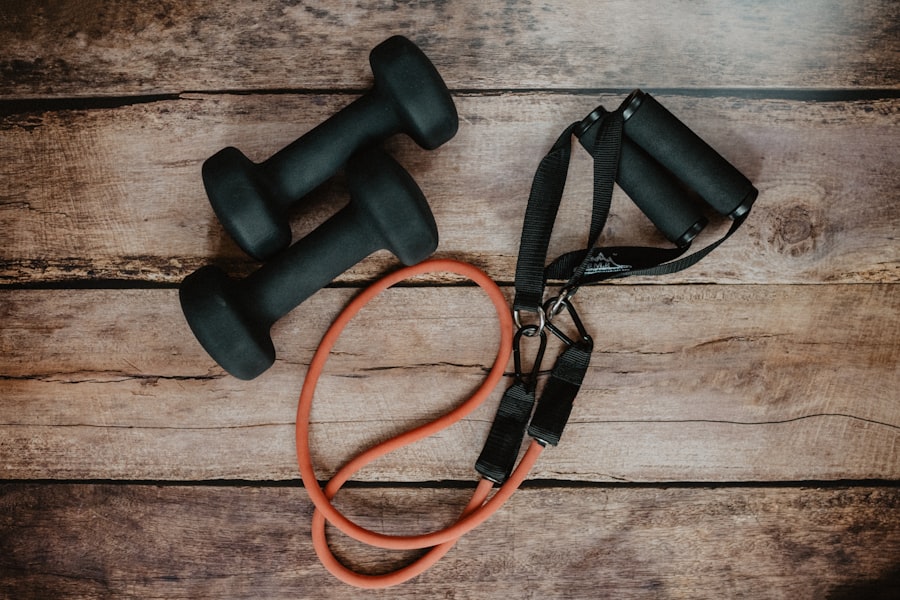
While walking is an excellent cardiovascular exercise, incorporating strength training into your routine can provide additional benefits for managing fatty liver disease. Strength training helps build muscle mass, which can improve metabolism and support weight management—key factors in reducing liver fat. You don’t need to lift heavy weights; simple exercises using resistance bands or even bodyweight exercises like squats and push-ups can be effective.
Aim to include strength training exercises at least two days a week alongside your walking routine. This combination will not only enhance your overall fitness but also improve your balance and coordination, reducing the risk of falls as you age. If you’re unsure where to start with strength training, consider joining a class designed for seniors or working with a personal trainer who specializes in senior fitness.
Monitoring Progress and Adjusting Walking Routine for Seniors with Fatty Liver
Monitoring your progress is essential to staying motivated and ensuring that your walking routine remains effective in managing fatty liver disease. Keeping a journal or using a fitness app can help you track the distance walked, duration of each session, and how you feel during and after each walk. This information can provide valuable insights into what works best for you and where adjustments may be needed.
As you progress, don’t hesitate to adjust your routine based on your evolving fitness level and goals. If you find that walking 30 minutes feels easy after several weeks, consider increasing the duration or incorporating intervals of brisk walking to challenge yourself further. Remember that consistency is key; even small adjustments can lead to significant improvements over time.
Other Lifestyle Changes to Support Walking for Seniors with Fatty Liver
In addition to regular walking and exercise, other lifestyle changes can support your efforts in managing fatty liver disease effectively. Nutrition plays a critical role; focusing on a balanced diet rich in fruits, vegetables, whole grains, lean proteins, and healthy fats can help reduce liver fat and improve overall health. Limiting processed foods high in sugar and unhealthy fats is equally important.
Furthermore, prioritizing sleep is essential for recovery and overall well-being. Aim for 7-9 hours of quality sleep each night to support your body’s healing processes. Stress management techniques such as meditation or yoga can also be beneficial; chronic stress can negatively impact liver health and overall wellness.
By adopting these lifestyle changes alongside your walking routine, you create a holistic approach to managing fatty liver disease.
Overcoming Common Challenges for Seniors with Fatty Liver and Walking
As with any new routine, challenges may arise when trying to establish a walking habit as a senior with fatty liver disease. One common obstacle is motivation; some days may feel more challenging than others due to fatigue or other commitments. To combat this, remind yourself of the benefits of walking for both your physical health and mental well-being.
Setting specific goals can also help keep you focused and motivated. Another challenge may be weather conditions; extreme heat or cold can deter outdoor walks. On days when the weather isn’t conducive to walking outside, consider alternatives such as indoor walking tracks or even walking in place at home while watching television.
Flexibility in your routine will help ensure that you stay committed to your walking goals regardless of external factors.
Seeking Professional Guidance for Seniors with Fatty Liver and Walking
If you’re unsure about how to start or progress with your walking routine safely, seeking professional guidance can be incredibly beneficial. A healthcare provider or physical therapist specializing in senior fitness can offer personalized advice tailored to your specific needs and health conditions. They can help assess your current fitness level and recommend appropriate exercises that align with your goals.
Additionally, nutritionists or dietitians can provide valuable insights into dietary changes that support liver health alongside your exercise routine. Collaborating with professionals ensures that you have a well-rounded approach to managing fatty liver disease effectively while minimizing risks associated with physical activity.
Celebrating Success and Maintaining a Walking Routine for Seniors with Fatty Liver
As you embark on this journey towards better health through walking, it’s essential to celebrate your successes along the way—no matter how small they may seem. Acknowledging milestones such as completing a certain number of walks or increasing your distance can boost motivation and reinforce positive habits. Consider rewarding yourself with non-food-related treats like new workout gear or a relaxing day out.
Maintaining a walking routine requires commitment but also flexibility as life circumstances change. Continue to set new goals for yourself as you progress; whether it’s participating in community walks or exploring new trails, keeping things fresh will help sustain your interest in walking long-term.
For seniors dealing with fatty liver, incorporating the right exercise routine can be crucial for managing their condition and improving overall health. A related article on this topic can be found on Explore Senior Health, which provides valuable insights into effective exercises tailored for seniors. The article emphasizes the importance of low-impact activities such as walking, swimming, and yoga, which are gentle on the joints while promoting liver health. For more detailed information and guidance, you can read the full article by visiting Explore Senior Health.
WATCH THIS! 🧃The 60-Year Liver Lie: Why Your “Healthy” Juice Is Destroying Your Liver
FAQs
What is fatty liver disease?
Fatty liver disease is a condition in which fat accumulates in the liver, leading to inflammation and potential liver damage. It can be caused by alcohol consumption (alcoholic fatty liver disease) or non-alcoholic factors such as obesity, high cholesterol, and type 2 diabetes (non-alcoholic fatty liver disease).
Why is exercise important for seniors with fatty liver disease?
Exercise is important for seniors with fatty liver disease because it can help reduce liver fat, improve insulin sensitivity, and promote overall liver health. Regular physical activity can also help seniors manage their weight, reduce the risk of developing other health conditions, and improve their overall quality of life.
What are the best exercises for seniors with fatty liver disease?
The best exercises for seniors with fatty liver disease are those that combine cardiovascular activity with strength training. This can include brisk walking, swimming, cycling, and low-impact aerobics, as well as resistance exercises using body weight, resistance bands, or light weights. It’s important for seniors to consult with their healthcare provider before starting any new exercise program.
How often should seniors exercise to improve fatty liver disease?
Seniors with fatty liver disease should aim to engage in at least 150 minutes of moderate-intensity aerobic activity, such as brisk walking or swimming, per week, as well as muscle-strengthening activities on two or more days a week. It’s important to start slowly and gradually increase the duration and intensity of exercise, while also allowing for rest and recovery days.
Are there any exercises that seniors with fatty liver disease should avoid?
Seniors with fatty liver disease should avoid high-impact activities that may put excessive strain on the joints, as well as activities that could potentially cause injury. It’s important to work with a healthcare provider or a qualified fitness professional to determine the most appropriate and safe exercise regimen based on individual health and fitness levels.