
As you age, maintaining your health becomes increasingly important, and what you eat plays a crucial role in this. Beyond the general advice of a balanced diet, there are specific food pairings that, for seniors, can create more problems than benefits. These aren’t about outright restrictions, but rather understanding how certain combinations can interfere with nutrient absorption, exacerbate existing health conditions, or contribute to digestive discomfort. Navigating these combinations requires a mindful approach to dining, ensuring that every meal supports your well-being.
Calcium is vital for bone health, and as you get older, the risk of osteoporosis increases. You might be diligently consuming calcium-rich foods like dairy products or leafy greens. However, the effectiveness of this essential mineral can be hampered by what you pair it with.
Iron and Calcium: A Common Interference
You probably know iron is important for preventing anemia and maintaining energy levels. Many seniors struggle with low iron. While both iron and calcium are essential minerals, they compete for absorption in your digestive system.
Combining Iron-Rich Foods with Calcium Sources
When you consume a meal rich in both iron (like lean red meat, spinach, or fortified cereals) and a significant source of calcium (such as milk, cheese, or yogurt), your body might not absorb as much of either mineral as it could. This can be problematic if you have a diagnosed iron deficiency or if you’re particularly focused on boosting your calcium intake to combat bone loss.
Strategies for Separation
Instead of eliminating these valuable foods, consider separating their consumption. For instance, enjoy your yogurt with fruit for breakfast and have your iron-rich salad with a vinaigrette dressing at lunch. If you’re taking iron or calcium supplements, always consult your doctor or a registered dietitian about the optimal timing for consumption, as they will often advise taking them at different times of the day, sometimes even with water alone.
Phytates in Plant-Based Calcium Sources
Many plant-based foods are excellent sources of calcium, such as leafy greens like kale and broccoli, as well as fortified plant milks and tofu. However, some of these foods also contain phytates (phic acid), which are compounds that can bind to minerals, including calcium, and reduce their absorption.
The Role of Phytic Acid
Phytic acid is naturally present in the bran of whole grains, legumes, nuts, and seeds. While these foods offer numerous health benefits, their phytate content can reduce the bioavailability of calcium and other important minerals like iron and zinc.
Mitigation Techniques
You can reduce the phytate content of these foods through various preparation methods. Soaking grains and legumes before cooking, for example, can significantly lower their phytic acid levels. Fermentation, as seen in sourdough bread or tempeh, also helps break down phytates. If you rely heavily on plant-based sources for your calcium, incorporating a variety of preparation methods and being mindful of your overall diet can help ensure adequate calcium absorption.
As seniors navigate their dietary choices, it’s essential to be aware of toxic food pairings that could negatively impact their health. For a comprehensive guide on what to avoid, you can refer to this informative article on senior nutrition. It highlights various combinations that may lead to adverse reactions or digestive issues, ensuring that older adults can make safer and healthier food choices. To learn more, visit this article.
Digestive Distress Double Play: Introducing Gas and Bloating
For seniors, a healthy digestive system is key to comfort and nutrient absorption. Certain food combinations can trigger gas, bloating, and general digestive upset, leading to discomfort and potentially impacting appetite.
The Legume-Carb Conundrum
Legumes, such as beans, lentils, and peas, are nutritional powerhouses, offering protein, fiber, and various micronutrients. However, they are also known gassy foods due to their complex carbohydrates and fiber content.
Pairing Legumes with Other Fermentable Carbohydrates
When you pair legumes with other foods that are high in fermentable carbohydrates, such as refined grains (white bread, pasta), starchy vegetables (potatoes, corn), or even certain fruits, you can create a recipe for significant digestive distress.
Understanding the Chemistry
The bacteria in your gut ferment these complex carbohydrates, producing gases like hydrogen, methane, and carbon dioxide. Consuming a large meal rich in multiple fermentable carbohydrate sources simultaneously can overwhelm your digestive system, leading to increased gas production and bloating.
Gradual Introduction and Portion Control
If you enjoy legumes, introduce them gradually into your diet and start with smaller portions. Cooking them thoroughly can also help break down some of the complex sugars. Pairing legumes with easily digestible proteins, like lean poultry or fish, or non-starchy vegetables like spinach or zucchini, might be a more comfortable approach for some seniors. Paying attention to how your body responds to specific combinations is crucial.
Dairy and High-Fat Foods: A Heavy Combination
Dairy products, while a good source of calcium and protein, can be problematic for some seniors, especially full-fat varieties. When combined with other high-fat foods, you can create a meal that is slow to digest and can lead to feelings of fullness and discomfort.
The Slowdown Effect of Fat
Fat slows down gastric emptying, meaning food stays in your stomach for a longer period. Combining fatty dairy products (like full-cream milk, cheese, or butter) with other energy-dense, high-fat foods (such as fried items, rich sauces, or fatty meats) can significantly prolong this process.
Impact on Digestion
This prolonged digestion can lead to feelings of heaviness, bloating, and even indigestion, particularly for seniors whose digestive systems may already be less efficient. It can also contribute to acid reflux for some individuals.
Alternatives for Comfort
If you find this combination causes issues, consider opting for lower-fat dairy alternatives or consuming dairy in moderation. Pairing dairy with lighter fare, like fruits or non-starchy vegetables, can be more agreeable. If you enjoy cheese, for example, a small portion on a whole-grain cracker with a side of grapes might be better tolerated than a generous portion on a greasy pizza.
The Sugar and Spice Trap: Blood Sugar Spikes and Gut Irritation
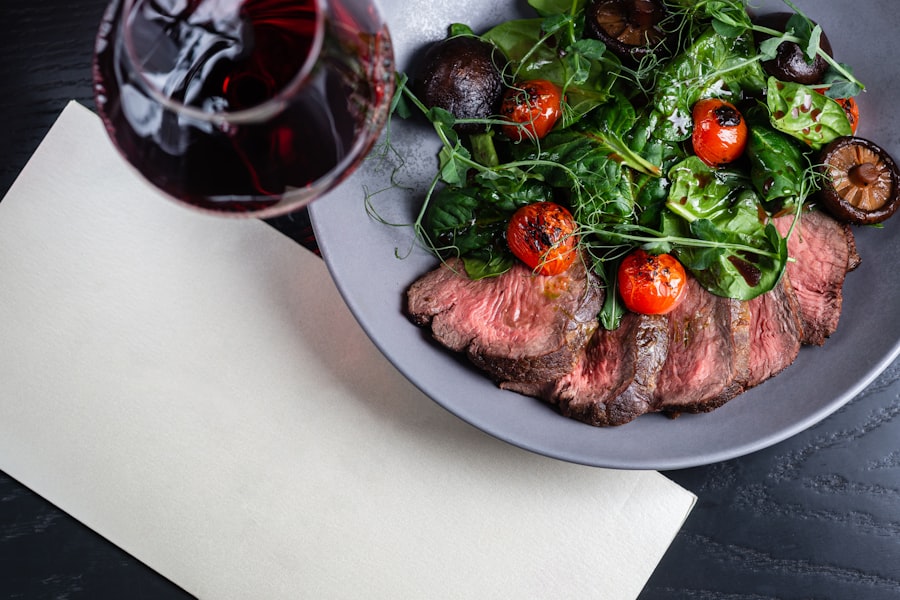
For seniors managing conditions like diabetes or irritable bowel syndrome (IBS), certain food pairings can be particularly detrimental, leading to rapid blood sugar fluctuations or exacerbating gut sensitivities.
Refined Sugars and Fasting Periods
Consuming large amounts of refined sugars, especially on an empty stomach, can lead to rapid spikes and subsequent crashes in blood glucose levels. This is particularly concerning for individuals with diabetes or those experiencing insulin resistance.
The Empty Stomach Effect
When you eat a sugary food, like a donut or a sugary cereal with milk, without any accompanying fiber or protein, your body rapidly absorbs the glucose. This unleashes a surge of insulin to manage the blood sugar, which can then lead to a swift drop, leaving you feeling tired, shaky, and craving more sugar.
Strategies for Stability
To avoid these sugar rollercoasters, always aim to have some protein and fiber alongside any carbohydrates, even if they are naturally occurring sugars found in fruits. For example, instead of just a glass of fruit juice – which is essentially concentrated sugar without fiber – opt for a whole fruit with a handful of nuts or a small serving of yogurt. If you are prone to hypoglycemia (low blood sugar) or hyperglycemia (high blood sugar), careful meal planning and consistent carbohydrate intake are paramount.
Spicy Foods and Acidic Foods: A Double Whammy for Sensitive Stomachs
For individuals with acid reflux, heartburn, or IBS, the combination of spicy and acidic foods can be a recipe for considerable discomfort.
The Synergistic Irritation
Highly acidic foods, such as citrus fruits (lemons, oranges), tomatoes, and vinegary dressings, can directly irritate the lining of the stomach and esophagus. Spicy foods, like chili peppers and hot sauces, can also stimulate digestive secretions and further inflame sensitive tissues.
The Combined Effect
When you consume these two categories together, their irritating effects can be amplified. A spicy tomato-based sauce on a high-acid pizza, for instance, can be particularly challenging for a sensitive system.
Mindful Consumption and Alternatives
If you experience digestive issues, consider moderating your intake of these foods, especially in combination. For salad dressings, you might opt for a creamy dressing with herbs or a milder vinaigrette. When cooking with tomatoes and spices, you can use less of both. Some seniors find that cooking these ingredients thoroughly can also make them more palatable. Experimentation is key to understanding your personal triggers.
Nutrient Blockers: When Foods Inhibit Absorption
Beyond the calcium-iron example, other food pairings can inadvertently block the absorption of various essential nutrients, leaving you lacking in what your body needs to function optimally.
Tannins and Iron Absorption
Tannins are natural compounds found in certain beverages, notably tea and coffee, as well as in some fruits like berries and red wine. While they offer antioxidant benefits, they can also interfere with iron absorption.
The Binding Effect of Tannins
Tannins can bind to non-heme iron (the type found in plant-based foods and supplements) in your digestive tract, forming insoluble complexes that your body cannot effectively absorb.
Timing is Everything
If you are at risk of iron deficiency or are using iron supplements, it’s advisable to avoid consuming tea and coffee with your meals, especially those rich in iron. Waiting at least an hour or two after a meal before enjoying your cup of tea or coffee can significantly improve your iron absorption. Similarly, if you are consuming iron-rich plant foods, consider pairing them with vitamin C sources (like bell peppers or citrus fruits) which can enhance iron absorption and potentially counteract some of the tannin effect.
Oxalates and Mineral Absorption
Oxalates, also known as oxalic acid, are compounds found in a variety of foods, particularly leafy green vegetables like spinach and rhubarb, as well as nuts, seeds, and chocolate. While a healthy diet generally includes these foods, high oxalate intake can, in some individuals, interfere with the absorption of calcium and iron.
The Crystal Formation Concern
In individuals prone to kidney stones, high oxalate intake can contribute to the formation of calcium oxalate stones. For those without this predisposition, higher oxalate consumption can still potentially reduce the bioavailability of calcium.
Balancing Your Intake
It’s not about eliminating oxalate-rich foods entirely, as they are often nutrient- dense. However, for seniors concerned about calcium absorption or prone to kidney stones, moderation and pairing are key. Cooking oxalate-rich vegetables like spinach can reduce their oxalate content. As with tannins, pairing these foods with calcium-rich sources in a single meal might not be the most efficient strategy for calcium absorption. Instead, diversifying your intake throughout the day and ensuring you have adequate calcium from other sources can be beneficial.
When it comes to maintaining a healthy diet, seniors should be particularly mindful of certain food pairings that can lead to digestive issues or nutrient absorption problems. For instance, combining dairy products with citrus fruits can cause discomfort and hinder calcium absorption. To learn more about food combinations to avoid, you can check out this informative article on senior health. It provides valuable insights into maintaining a balanced diet and ensuring optimal health as we age. For further details, visit this link.
Medication Interactions: The Unseen Culinary Complications
| Food Pairing | Toxic Effect |
|---|---|
| High-sodium foods and salty snacks | Increased risk of high blood pressure and heart disease |
| Alcohol and certain medications | Adverse reactions and increased risk of falls |
| Raw or undercooked meat and eggs | Higher risk of foodborne illness |
| High-sugar foods and sugary drinks | Increased risk of diabetes and weight gain |
Perhaps the most critical aspect of food pairings to consider for seniors involves interactions with medications. Many common medications have dietary guidelines that, when not followed, can reduce the medication’s effectiveness or increase the risk of side effects.
Grapefruit and Certain Statins
You may have heard warnings about grapefruit, and for good reason. This popular citrus fruit contains compounds called furanocoumarins that can interfere with the metabolism of certain medications in your liver.
The Enzyme Inhibition Effect
These furanocoumarins inhibit a specific enzyme (CYP3A4) that is responsible for breaking down many drugs. When this enzyme is inhibited, the medication stays in your bloodstream for longer and at higher concentrations, increasing the risk of adverse effects. This interaction is particularly relevant for certain statins (cholesterol-lowering drugs), blood pressure medications, and some anti-anxiety drugs.
Strictly Adhering to Medical Advice
If you are taking any of the medications that interact with grapefruit, it is crucial to avoid consuming grapefruit and grapefruit juice entirely. Always have a detailed conversation with your doctor or pharmacist about any potential food-drug interactions associated with your prescriptions. They will provide specific guidance tailored to your medications and health status.
Dairy and Certain Antibiotics
Certain classes of antibiotics, particularly tetracyclines and fluoroquinolones, can bind to calcium and other minerals present in dairy products, forming complexes that significantly reduce the absorption of the antibiotic.
The Chelation Phenomenon
This process, known as chelation, renders the antibiotic less effective. If you take your antibiotic with a glass of milk or a meal containing dairy, your body may not absorb enough of the medication to fight the infection properly.
Strategic Dosing
To ensure the maximum effectiveness of your antibiotic treatment, it is generally recommended to avoid consuming dairy products, calcium-fortified foods, and calcium supplements for at least two hours before and two hours after taking these types of antibiotics. Again, your healthcare provider will provide precise instructions regarding timing.
Vitamin K-Rich Foods and Blood Thinners
For seniors taking blood-thinning medications like warfarin (Coumadin), consistency in vitamin K intake is paramount. Vitamin K plays a crucial role in blood clotting, and its interaction with warfarin is well-established.
The Balancing Act of Vitamin K
Warfarin works by interfering with the action of vitamin K. If your intake of vitamin K fluctuates significantly, it can either make your blood too thin (increasing the risk of bleeding) or too thick (increasing the risk of dangerous blood clots). Foods high in vitamin K include leafy green vegetables such as kale, spinach, broccoli, and Brussels sprouts.
Maintaining Consistency
The goal is not usually to eliminate these healthy foods but to maintain a consistent intake of vitamin K. Instead of drastically increasing or decreasing your consumption of vitamin K-rich vegetables from one day to the next, aim for a steady, regular intake. Your doctor will work with you to establish a vitamin K intake level that supports the therapeutic effect of your medication. Regular blood tests (INR tests) will monitor your blood’s clotting ability and help adjust your warfarin dosage as needed.
Being aware of these food pairing considerations allows you to make informed choices that support your health and well-being as you age. It’s a proactive approach to nutrition, ensuring that your meals are not only enjoyable but also beneficial for your body. When in doubt, always consult with your healthcare provider or a registered dietitian for personalized advice.
FAQs
What are some toxic food pairings that seniors should avoid?
Some toxic food pairings that seniors should avoid include combining high-oxalate foods with calcium-rich foods, consuming alcohol with certain medications, and mixing grapefruit with certain medications.
Why should seniors avoid certain food pairings?
Seniors should avoid certain food pairings because they can interfere with the absorption of nutrients, exacerbate certain health conditions, or cause adverse reactions with medications.
How can toxic food pairings affect seniors’ health?
Toxic food pairings can affect seniors’ health by increasing the risk of kidney stones, causing digestive issues, reducing the effectiveness of medications, and leading to potential side effects or toxicity.
What are some examples of high-oxalate foods and calcium-rich foods that should not be paired together?
Examples of high-oxalate foods include spinach, rhubarb, and beets, while calcium-rich foods include dairy products, fortified plant-based milks, and leafy greens. These should not be paired together as they can interfere with calcium absorption.
How can seniors ensure they are making safe food pairings?
Seniors can ensure they are making safe food pairings by consulting with a healthcare professional or registered dietitian, reading medication labels for potential food interactions, and being mindful of their overall dietary choices.