
Generic drug manufacturers serve a critical function in the pharmaceutical industry by producing medications that are bioequivalent to brand-name drugs at significantly reduced costs. Generic drugs contain the same active ingredients, dosage forms, and strengths as their brand-name counterparts and must demonstrate therapeutic equivalence through rigorous testing. These medications typically cost 80-85% less than brand-name versions, making essential treatments more accessible to patients and healthcare systems.
The generic drug industry operates under strict regulatory oversight, with manufacturers required to meet the same quality standards as brand-name drug producers. Companies in this sector conduct bioequivalence studies, invest in manufacturing technologies, and develop formulations that comply with regulatory requirements set by agencies such as the FDA. Generic manufacturers must navigate complex approval processes, including Abbreviated New Drug Applications (ANDAs), which require comprehensive documentation of manufacturing processes, quality control measures, and clinical data.
The industry faces ongoing challenges including evolving regulatory frameworks, supply chain management, and competition from both other generic manufacturers and biosimilar products. Manufacturers must maintain current Good Manufacturing Practices (cGMP), implement quality assurance systems, and adapt to changing market conditions while ensuring consistent product availability and maintaining competitive pricing structures.
Key Takeaways
- Generic drug manufacturers produce cost-effective alternatives to brand-name medications with strict quality controls.
- Variations in generic drugs can arise from differences in inactive ingredients and manufacturing processes.
- Bioequivalence ensures that generic drugs have the same therapeutic effect as their brand-name counterparts.
- Regulatory agencies closely monitor generic drug production to maintain safety, efficacy, and consistency.
- Educating patients about generic drug variations helps address concerns and promotes confidence in their use.
Factors Affecting Generic Drug Variations
When you consider the variations in generic drugs, several factors come into play that can influence their formulation and effectiveness. One primary factor is the source of active pharmaceutical ingredients (APIs). Different manufacturers may source their APIs from various suppliers, leading to potential differences in purity, potency, and overall quality.
This variability can affect how the drug performs in the body, which is why understanding the source of these ingredients is crucial for both healthcare providers and patients. Another significant factor is the manufacturing process itself. Each manufacturer may employ different techniques or technologies, which can result in variations in the final product.
For instance, differences in temperature, pressure, or even the equipment used can lead to discrepancies in how a drug is formulated. These variations can impact not only the drug’s efficacy but also its safety profile. As you navigate the complexities of generic drugs, it’s essential to recognize how these factors contribute to the overall landscape of pharmaceutical options available to you. For valuable senior prescription savings tips, visit senior prescription savings tips.
Quality Control Measures in Generic Drug Manufacturing

Quality control is a cornerstone of generic drug manufacturing, ensuring that every product meets established safety and efficacy standards. You might be surprised to learn that generic manufacturers are subject to rigorous testing and validation processes before their products can reach the market. These measures include stability testing, potency assessments, and impurity profiling, all designed to confirm that the drug performs as intended over its shelf life.
Moreover, you should be aware that quality control doesn’t stop once a product is on the market. Ongoing monitoring and post-marketing surveillance are critical components of maintaining drug safety. Manufacturers must report any adverse events or quality issues to regulatory authorities, ensuring that any potential problems are addressed swiftly.
This commitment to quality not only protects patients but also reinforces trust in the generic drug industry as a whole.
Understanding Bioequivalence in Generic Drugs
Bioequivalence is a fundamental concept when it comes to generic drugs, and understanding it can help you make informed decisions about your medication options. In essence, bioequivalence refers to the comparison between a generic drug and its brand-name counterpart in terms of absorption and effectiveness. For a generic drug to be approved, it must demonstrate that it delivers the same amount of active ingredient into the bloodstream at the same rate as the original brand-name drug.
You may wonder why this is important. The answer lies in ensuring that patients receive the same therapeutic benefits from both versions of the medication. Regulatory agencies require extensive testing to establish bioequivalence, which often involves clinical trials and pharmacokinetic studies.
By ensuring that generics are bioequivalent to their branded counterparts, you can have confidence that you are receiving a medication that will work just as effectively for your health needs.
Variations in Inactive Ingredients in Generic Drugs
| Manufacturer | Approval Time (months) | Number of Approved Generics | Average Bioequivalence Range (%) | Market Share (%) | Quality Rating |
|---|---|---|---|---|---|
| GenericPharma Inc. | 12 | 150 | 90-110 | 25 | High |
| MedGen Solutions | 15 | 120 | 85-115 | 18 | Medium |
| BioEquiv Labs | 10 | 90 | 88-112 | 12 | High |
| PharmaGeneric Co. | 18 | 200 | 80-120 | 30 | Medium |
| EquiMed Corp. | 14 | 110 | 89-111 | 15 | High |
While active ingredients are crucial for a drug’s therapeutic effect, inactive ingredients also play a significant role in its overall performance and patient experience. You might not realize that variations in these excipients—substances used to formulate medications—can lead to differences in how a drug is absorbed or tolerated by your body. For instance, some patients may have sensitivities or allergies to certain inactive ingredients, which could affect their ability to take a particular generic medication.
Additionally, variations in inactive ingredients can impact the drug’s stability and shelf life. Different fillers, binders, or preservatives may alter how well a medication holds up over time or how it interacts with other substances in your body. As you consider your options for treatment, it’s essential to discuss any concerns about inactive ingredients with your healthcare provider to ensure that you choose a medication that aligns with your health needs and preferences.
Regulatory Oversight of Generic Drug Manufacturers
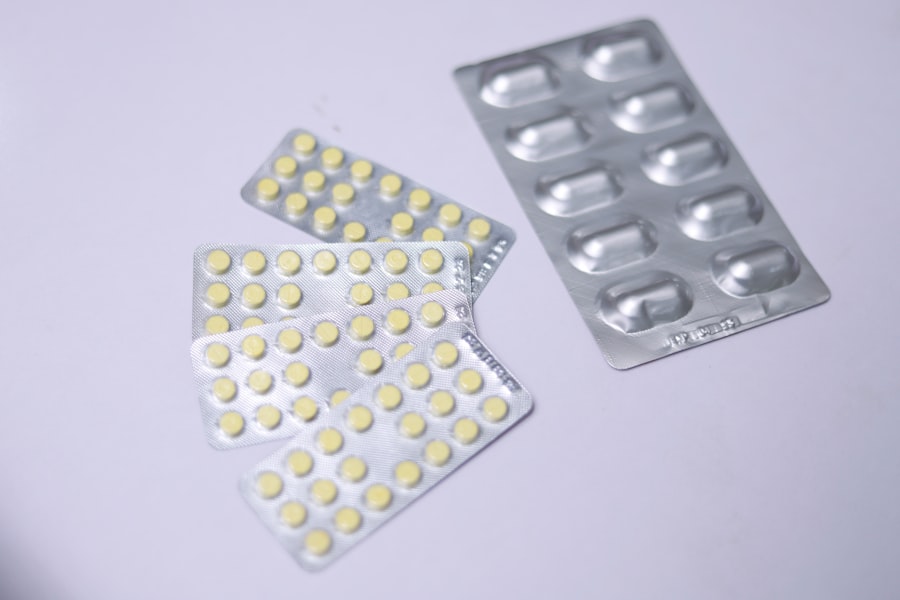
The regulatory landscape governing generic drug manufacturers is complex but vital for ensuring patient safety and product efficacy. In many countries, agencies such as the U.S. Food and Drug Administration (FDA) oversee the approval process for generic drugs.
You should know that these agencies require extensive documentation and testing before granting approval, which includes demonstrating bioequivalence and compliance with Good Manufacturing Practices (GMP). Moreover, regulatory oversight extends beyond initial approval. Once a generic drug is on the market, manufacturers must adhere to strict reporting requirements regarding adverse events and product quality issues.
This ongoing scrutiny helps maintain high standards within the industry and ensures that any potential risks are promptly addressed. As a patient or caregiver, understanding this regulatory framework can provide reassurance about the safety and reliability of generic medications.
Impact of Manufacturing Processes on Generic Drug Variations
The manufacturing processes employed by generic drug manufacturers can significantly influence the final product’s characteristics and performance.
For example, changes in mixing times or temperatures during production can affect how well active ingredients are incorporated into the final product.
Additionally, advancements in technology have introduced new manufacturing techniques that can enhance efficiency and consistency. However, these innovations also require careful validation to ensure they do not compromise product quality. As you explore different generic options for your medications, it’s essential to consider how these manufacturing processes may impact your treatment outcomes.
Importance of Labeling and Packaging in Generic Drug Variations
Labeling and packaging play a crucial role in ensuring that patients receive accurate information about their medications.
Clear and informative labeling helps you understand dosage instructions, potential side effects, and any specific storage requirements for your medication.
Moreover, packaging can also influence patient adherence to treatment regimens. If packaging is confusing or difficult to open, it may deter you from taking your medication as prescribed. Therefore, it’s essential for manufacturers to prioritize user-friendly designs that facilitate proper use while also adhering to regulatory guidelines for safety information.
As you navigate your treatment options, pay attention to labeling and packaging details to ensure you have all the necessary information at your fingertips.
Patient Education on Generic Drug Variations
Patient education is paramount when it comes to understanding generic drug variations and making informed choices about your healthcare. You may find it beneficial to engage with healthcare providers who can explain the differences between brand-name and generic medications, including potential variations in efficacy or side effects. This dialogue can empower you to ask questions and express any concerns you may have about switching medications.
Furthermore, educational resources provided by healthcare organizations or pharmacies can help demystify the complexities surrounding generics. These resources often include information on how generics are made, their approval process, and what patients should expect when transitioning from a brand-name drug to its generic counterpart. By taking an active role in your education about medications, you can make choices that align with your health goals.
Addressing Concerns about Generic Drug Variations
Despite their benefits, concerns about generic drug variations persist among patients and healthcare providers alike. You may have heard apprehensions regarding efficacy or safety when switching from a brand-name medication to a generic alternative. It’s important to address these concerns head-on by fostering open communication with your healthcare team.
One effective way to alleviate worries is through shared decision-making between you and your provider. Discussing your specific health needs and preferences can help identify which medication option is best suited for you. Additionally, staying informed about ongoing research and developments within the generic drug industry can provide reassurance about their safety and effectiveness over time.
The Future of Generic Drug Manufacturing
As you look toward the future of generic drug manufacturing, it’s clear that this sector will continue to evolve in response to changing healthcare needs and technological advancements. The ongoing commitment to quality control, regulatory oversight, and patient education will remain essential components of this industry as it strives to provide safe and effective medications at affordable prices. Moreover, as new therapies emerge and healthcare landscapes shift globally, generic manufacturers will play an increasingly vital role in ensuring access to essential treatments for diverse populations.
By staying informed about developments within this field and advocating for your health needs, you can contribute to shaping a future where high-quality medications are accessible to all who need them.
When considering the differences among generic drug manufacturers, it’s essential to understand how these variations can impact medication effectiveness and patient safety. A related article that delves into this topic can be found at Explore Senior Health, which provides valuable insights into the nuances of generic medications and their manufacturers. This resource can help patients make informed decisions about their prescriptions and understand the importance of choosing reputable generic drug options.
WATCH THIS! 🛑 STOP Paying $52 When It’s $6 at the Same Pharmacy
FAQs
What are generic drugs?
Generic drugs are medications created to be the same as an existing approved brand-name drug in dosage form, safety, strength, route of administration, quality, and performance characteristics. They are typically sold at lower prices once the original drug’s patent expires.
How do generic drug manufacturers differ from each other?
Generic drug manufacturers may differ in their production processes, quality control standards, sourcing of raw materials, manufacturing facilities, and regulatory compliance. These differences can affect the consistency, purity, and bioequivalence of the generic drugs they produce.
Are all generic drugs considered equally effective?
Yes, all generic drugs approved by regulatory agencies like the FDA must demonstrate bioequivalence to the brand-name counterpart, meaning they work in the same way and provide the same clinical benefit. However, minor differences in inactive ingredients or manufacturing processes may exist.
Do generic drug manufacturers use the same ingredients as brand-name drugs?
Generic drugs contain the same active ingredients as their brand-name equivalents. However, inactive ingredients such as fillers, binders, and coloring agents may differ between manufacturers.
How is the quality of generic drugs ensured?
Regulatory agencies require generic drug manufacturers to comply with Good Manufacturing Practices (GMP) and submit data proving bioequivalence, quality, and safety. Regular inspections and testing help ensure that generics meet established standards.
Can differences between generic drug manufacturers affect patient experience?
While the active ingredient is the same, variations in inactive ingredients or pill appearance may cause differences in taste, size, or tolerability for some patients. However, these differences generally do not impact the drug’s effectiveness.
Is it safe to switch between generic drugs from different manufacturers?
Yes, it is generally safe to switch between generic drugs from different manufacturers because they are required to meet the same regulatory standards. Patients should consult their healthcare provider if they experience any concerns.
Why do prices vary among generic drugs from different manufacturers?
Prices can vary due to differences in manufacturing costs, supply chain efficiencies, marketing, and competition. Some manufacturers may also produce higher volumes or have more cost-effective processes, influencing pricing.
How can healthcare providers choose between generic drug manufacturers?
Providers may consider factors such as manufacturer reputation, product availability, patient preferences, insurance formularies, and any reported issues with specific generics when selecting a generic drug supplier.
Are generic drug manufacturers regulated internationally?
Yes, generic drug manufacturers are regulated by national and international agencies such as the FDA (USA), EMA (Europe), and WHO. These agencies set standards to ensure the safety, efficacy, and quality of generic medications globally.