
You find yourself in Westmont, a town that, until recently, probably occupied a quiet corner of your mind. You know it as a place with tree-lined streets and perhaps a charming Main Street. Never did you imagine your visit would involve a full-blown confrontation in a local restaurant, a scene you’d typically associate with a soap opera rather than your Saturday evening plans. You intended for a relaxed meal, a moment to unwind. Instead, you walked into a live-action drama, a clash of customers that unfolded with surprising intensity.
You chose “The Gilded Spoon,” a place you’d heard good things about – decent reviews, a promising menu. You arrived around 7 PM on a Friday, a peak dining hour. The restaurant was bustling, a pleasant hum of conversation and the clinking of silverware. It’s the kind of atmosphere that usually promises a good time, a place where you can settle in and enjoy the evening. You were promptly seated at a table near the back, offering a decent vantage point to observe the room without being directly in the path of the service staff. The décor was modern, perhaps a touch upscale for Westmont, with soft lighting and tasteful artwork adorning the walls. You browsed the menu, mentally ticking off potential dishes, and ordered a drink, anticipating a leisurely repast.
The Ambiance Before the Storm
The initial atmosphere was precisely what you’d hoped for. Families were enjoying dinner, couples were engaged in quiet conversation, and a general sense of conviviality pervaded the dining area. The background music was low, an unobtrusive jazz ensemble, fostering an environment conducive to relaxed dining. You mentally noted the efficient, if somewhat busy, waitstaff, who navigated the tables with practiced ease. It was the kind of setting that makes you feel relatively insulated from the outside world, a small pocket of calm. You watched as other patrons were welcomed and seated, each group seemingly anticipating a similar pleasant evening. You took a sip of your drink, content to simply be present in this moment, unaware of the brewing tempest.
Promising Beginnings
Your server arrived promptly, a young woman with a polite smile, ready to take your order. You appreciated the efficiency; no one wants to feel forgotten. The menu offered a variety of appealing options, from classic comfort food to more adventurous culinary creations. You felt a sense of anticipation for the meal to come, a good sign. The bread basket arrived, warm and inviting, and you sampled a piece, enjoying the simple pleasure. It was the kind of solid start that sets a positive tone for an entire dining experience. You observed the cleanliness of the table, the neatly folded napkins, the polished cutlery – all indicators of a well-run establishment.
In light of the recent confrontation at the Westmont restaurant, it is interesting to explore the broader implications of such incidents on community dynamics and senior health. A related article that delves into the importance of fostering positive interactions among community members can be found at Explore Senior Health. This resource highlights how social engagement can significantly impact the well-being of seniors, emphasizing the need for understanding and compassion in public spaces.
The Seeds of Discord: Table Four
Your attention was drawn, subtly at first, to a growing tension at Table Four, located a few tables away from yours. Initially, it was just elevated voices, a noticeable increase in volume that cut through the general murmur of the restaurant. You couldn’t discern the exact words, but the tone was sharper, the cadence more agitated than the usual dinner chatter. You tried to return your focus to your own table, to the menu you were still contemplating, but the escalating volume became difficult to ignore. It was like a low-grade hum that was steadily increasing in pitch. You exchanged a brief, non-verbal glance with someone at another table, a shared acknowledgment of the unusual noise.
The Initial Exchange
You couldn’t help but overhear snippets, fragments of conversation that painted a picture of mounting frustration. One voice, a man’s, sounded increasingly exasperated. The other voice, a woman’s, seemed to be trying to de-escalate, but her tone carried an undertone of annoyance. It seemed to revolve around a misunderstanding about their order, a common enough occurrence in a busy restaurant, but the way it was being handled was far from typical. You saw the man gesturing with his hands, his movements becoming more pronounced. The woman was leaning forward, her expression tight.
The Escalation Point
Then, it happened. A sharp, accusatory phrase was uttered, loud enough for several tables to hear clearly. It wasn’t just a complaint; it felt like a personal attack. The woman at Table Four recoiled slightly, her face flushing. You saw a waiter approach their table, his expression a mixture of concern and apprehension. He tried to interject, to mediate, but his efforts seemed to only pour fuel on the fire. The man at Table Four turned to the waiter, his voice now booming, and you caught the word “incompetent.” You felt a prickle of unease. This was no longer a minor disagreement; it was a full-blown outburst.
The First Intervention: The Waitstaff’s Dilemma
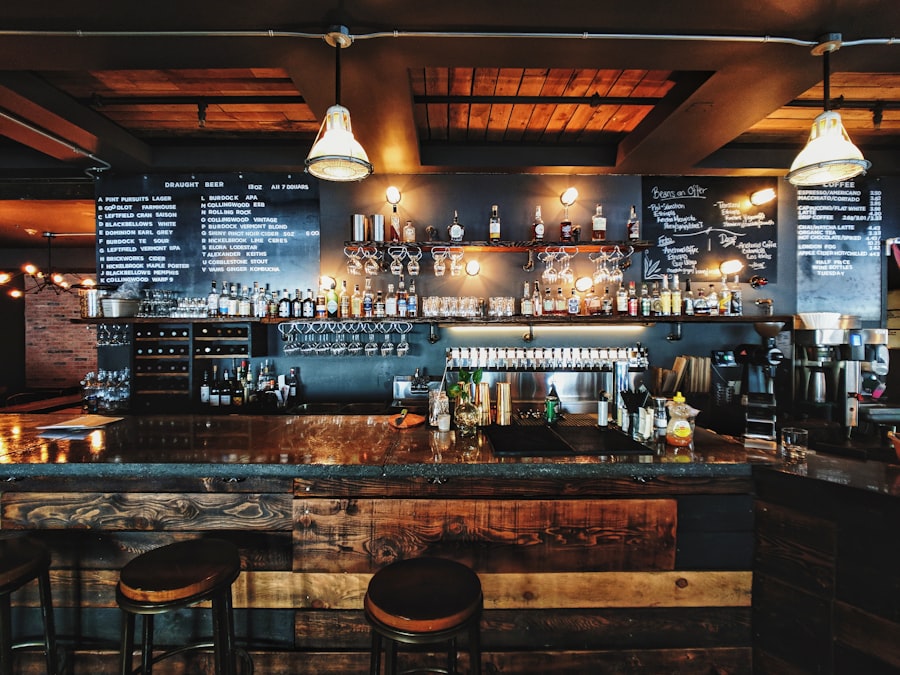
The restaurant staff, trained to handle various customer service issues, found themselves in a precarious position. Their primary goal is to ensure a pleasant dining experience for all patrons, but the situation at Table Four presented a significant challenge. The waiter who had approached them, a young man named Mark, appeared visibly flustered. He was attempting to placate the irate customer, his voice low and measured, but his words seemed to bounce off the man’s anger. You observed his body language – the slight slump of his shoulders, the repeated attempts to make eye contact that were met with defiant glares.
The Attempted De-escalation
Mark tried to understand the root of the problem, a valid approach in such situations. He asked clarifying questions, his tone apologetic, even though the fault, if any, clearly lay with the customer’s demeanor. He offered to remake the dish, to adjust the bill, to do whatever he could to salvage the situation. You saw him jotting notes on his order pad, perhaps documenting the complaint for management. You recognized the effort, the professional attempt to diffuse the tension. It was a difficult tightrope to walk – acknowledging the customer’s complaint while also protecting the restaurant’s reputation and the well-being of other diners.
The Manager’s Arrival
Inevitably, the situation escalated beyond the purview of a regular server. A woman in a crisp black blouse, presumably the manager, approached Table Four. Her arrival was met with a new wave of vitriol from the man. You watched as she calmly listened, her face impassive, absorbing the barrage of accusations. She nodded occasionally, her hands clasped in front of her, a posture that conveyed both attentiveness and a subtle attempt to maintain a professional distance. You could see the wheels turning in her mind as she assessed the options.
The Escalation to a Broader Conflict: The Bystander Effect
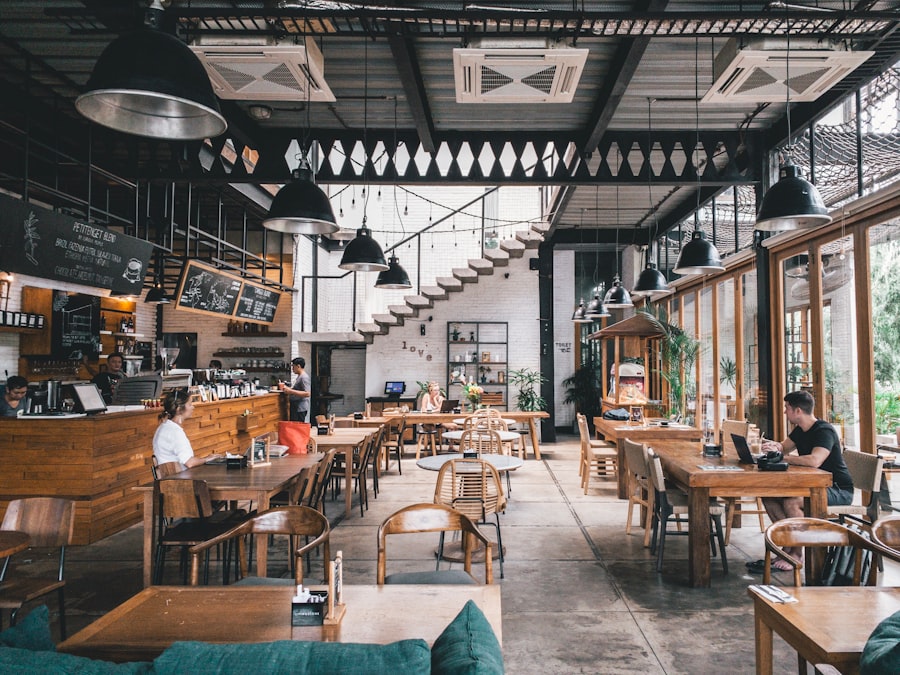
What began as a localized dispute at Table Four began to ripple outwards, affecting the mood and composure of other diners. You noticed a shift in the general atmosphere of the restaurant. Conversations at nearby tables quieted, replaced by hushed whispers and furtive glances in the direction of Table Four. The pleasant hum of the dining room was now punctuated by the sharp, angry outbursts, creating an increasingly uncomfortable ambiance. It was the classic bystander effect, where the spectacle of the conflict drew attention away from personal enjoyment.
The Disturbed Dinners
You saw a young couple, who had been holding hands and laughing moments before, now sitting in tense silence, their food untouched. An elderly gentleman with a newspaper folded neatly beside his plate sighed audibly and shook his head. Children, previously engrossed in their meals, were now looking towards the commotion, their curiosity tinged with apprehension. You felt a tangible shift in the collective mood – from one of relaxed enjoyment to one of unease and mild annoyance. The shared experience of dining together was being disrupted, replaced by a collective witness to an unfolding personal drama.
The Verbal Spillover
The man at Table Four, seemingly fueled by the attention, began to raise his voice even further. His complaints, though initially focused on his meal, started to encompass broader criticisms of the restaurant, its service, and even the other patrons. You heard him make a disparaging remark about an adjacent table, a comment that was clearly audible and clearly inappropriate. This was a turning point, transforming a customer dispute into something that felt more like a public spectacle, an intrusion on everyone else’s evening. You felt a surge of irritation yourself; you had come here to relax, not to be subjected to this kind of behavior.
The recent confrontation at Westmont Restaurant has sparked a significant discussion about community interactions and the importance of conflict resolution. For those interested in exploring related topics, an insightful article on senior health and community engagement can be found here: exploreseniorhealth.com. This piece delves into how social dynamics can influence our well-being and highlights the necessity of fostering positive relationships within our neighborhoods.
The Confrontation Intensifies: From Words to Actions
| Location | Date | Number of People Involved | Incident Description |
|---|---|---|---|
| Westmont, Illinois | July 2021 | 4 | A group of individuals confronted restaurant staff over mask policy |
The verbal sparring at Table Four reached a fever pitch. The manager’s calm demeanor was tested, and you saw a flicker of frustration cross her face as the man’s accusations became increasingly outlandish. It was clear that a resolution was not imminent. The tension became palpable, a thick cloud hanging over the restaurant. You could feel the collective held breath of the other diners, waiting for the next shoe to drop.
The Manager’s Final Offer
The manager, after a prolonged exchange, made what seemed like her final offer. You couldn’t hear the specifics, but it appeared to be a generous one, designed to appease the difficult customer and prevent further disruption. You saw her hand a folded bill to the man, likely their entire meal comped, a significant gesture. You thought, surely, that would be enough. It was more than fair, considering the circumstances.
The Refusal and the Outburst
To your astonishment, the man rejected the offer outright. His face contorted with anger, and he let out a loud, derisive laugh. He then proceeded to deliver a tirade that was a mixture of insults and threats, directed not only at the manager but at the establishment as a whole. It was a deliberate act of escalation, a refusal to accept a reasonable solution. You saw the manager, her composure finally cracking, take a step back, her expression one of disbelief rather than anger. This was no longer a customer service issue; it was a deliberate act of disruption, a conscious choice to create chaos.
The Climax and the Aftermath: A Lingering Disquiet
The situation reached its peak with a dramatic flourish. The man, in a fit of obvious pique, pushed his chair back with considerable force. The scraping sound echoed through the suddenly silent restaurant. He then stood abruptly, knocking over his water glass in the process. The water spread across the table, a visible symbol of the mess he had created. You saw him point a finger at the manager, his voice shaking with rage, and utter a final, cutting insult. It was a scene of pure, unadulterated anger, played out for all to see.
The Storming Out
Without another word, the man grabbed his coat and stormed out of the restaurant, leaving a trail of stunned silence behind him. His companion, the woman who had been with him, looked mortified and shook her head as she quickly followed him out, offering a brief, apologetic nod to the manager. You watched them go, the door swinging shut behind them, feeling a strange mix of relief and lingering unease. The immediate tension had dissipated, but the echoes of the confrontation remained.
The Return to Normalcy (or Not)
The restaurant staff, visibly shaken but professional, immediately sprang into action. The manager, after a moment of composing herself, began directing her team to clean up the mess and to check on the other tables. The initial reaction from most diners was a collective sigh, a release of pent-up anxiety. Conversations slowly resumed, but the lightheartedness of the earlier evening had been irrevocably broken. You found yourself looking at your own meal with a slightly diminished appetite, the unpleasant spectacle having cast a shadow over your dining experience. You realized that sometimes, a quiet dinner can turn into an unexpected performance, a reminder that even in the most seemingly serene settings, human drama can unfold with surprising intensity. You left Westmont that night with a story to tell, a stark reminder that not all clashes of customers are confined to verbal disputes; sometimes, they spill over, impacting everyone present. You couldn’t shake the feeling of disquiet, the lingering sense that the evening had been a performance you hadn’t signed up for.
FAQs
What is the Westmont restaurant confrontation story about?
The Westmont restaurant confrontation story is about an incident that occurred at a restaurant in Westmont, involving a confrontation between two individuals.
When did the Westmont restaurant confrontation take place?
The exact date of the Westmont restaurant confrontation is not specified in the article.
Who was involved in the Westmont restaurant confrontation?
The article does not provide specific names of the individuals involved in the Westmont restaurant confrontation.
What was the outcome of the Westmont restaurant confrontation?
The article does not mention the specific outcome of the Westmont restaurant confrontation.
Is there any additional information about the Westmont restaurant confrontation?
The article does not provide any additional information about the Westmont restaurant confrontation.